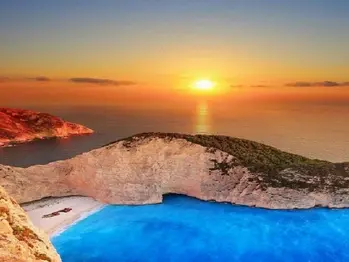
Skala Oropou is a picturesque seaside village tucked between the lush hills of Attica and the sparkling Aegean Sea. With its winding cobblestone streets, traditional stone houses, and panoramic cliff‑side views, it offers a unique blend of history, culture, and natural beauty.
We suggest for your stay:
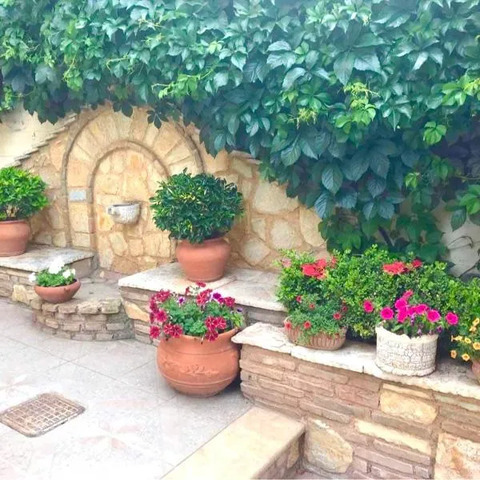
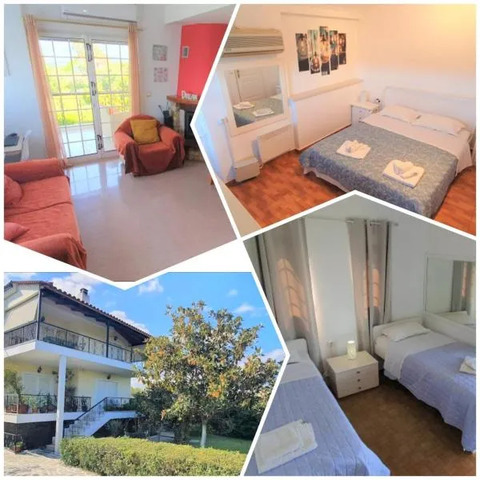
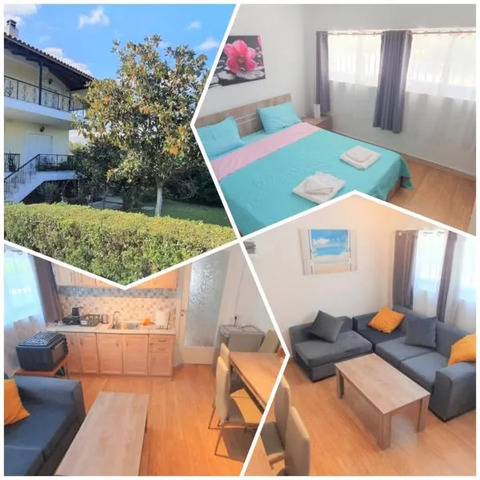
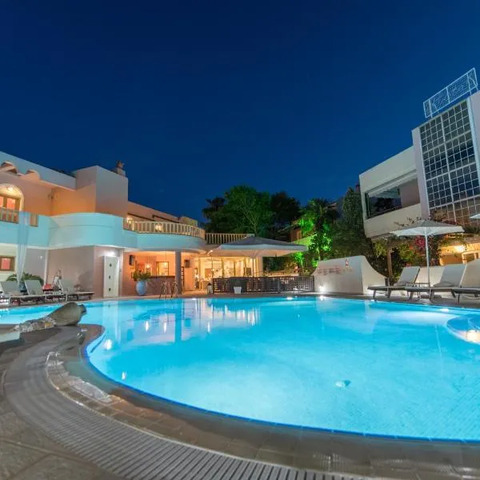
Still Looking for the Perfect Stay?

Why Skala Oropou Matters
Historical Significance: The village dates back to the 19th century when it served as a fishing hub for local communities.
Cultural Richness: Traditional festivals, folk music, and artisanal crafts thrive here.
Natural Attractions: Stunning cliffs, hidden coves, and lush olive groves create an idyllic setting for nature lovers.
Navigating the Village on Foot
Walking is the best way to absorb Skala Oropou’s charm. Start at the harbor, where you’ll find fresh seafood stalls and a small marina. From there:
Stroll along the promenade toward the lighthouse—an excellent spot for sunrise photos.
Turn onto the main street (Agios Nikolaos) to explore local shops selling handmade ceramics and olive oil.
Head up the hill to the old watchtower, which offers sweeping views of the Aegean and surrounding villages.
Must‑See Landmarks
The Lighthouse of Skala Oropou: Built in 1905, it’s a beacon for sailors and a popular photo spot.
Agios Nikolaos Church: A 19th‑century church with beautiful frescoes depicting local legends.
Traditional Market Square: Every Sunday, vendors sell fresh produce, cheeses, and homemade pastries.

Nearby Villages Worth Visiting
Skala Oropou’s proximity to several charming villages makes it an ideal base for exploring Attica’s rural heartland. In a short drive or bike ride you can discover:
Oropos Village: Known for its ancient ruins and quiet beaches.
Halkoutsi Village: Famous for its traditional architecture and local wine taverns.
Kalamos Village: Offers lush pine forests and hiking trails.
Eretria Town: A historic town with a bustling market and seaside promenade.
Malakasa Village: Renowned for its olive groves and artisanal olive oil.
Malakonta Village: Features charming stone houses and local craft shops.
Magoula Village: Known for its scenic views over the Aegean and traditional festivals.
Practical Tips for Travelers
Best Time to Visit: Late spring (May–June) or early autumn (September) provide mild weather and fewer crowds.
Getting There: Public buses run from Athens to Skala Oropou, but renting a car offers flexibility to explore nearby villages.
Accommodation: Choose a family‑run guesthouse for an authentic experience or a boutique hotel with sea views.
Local Cuisine: Don’t miss the grilled octopus, fresh feta cheese, and homemade baklava—delicacies that reflect Attica’s culinary heritage.
Sustainable Travel Practices
Respect local customs by dressing modestly when visiting churches.
Dispose of trash in designated bins to preserve the pristine coastline.
Support local artisans by purchasing handmade goods directly from producers.
Final Thoughts
Skala Oropou is more than a beach destination; it’s a living tapestry of history, culture, and natural splendor. By exploring its streets, visiting neighboring villages, and embracing sustainable travel, visitors can truly unlock the treasures of Attica’s enigmatic map.