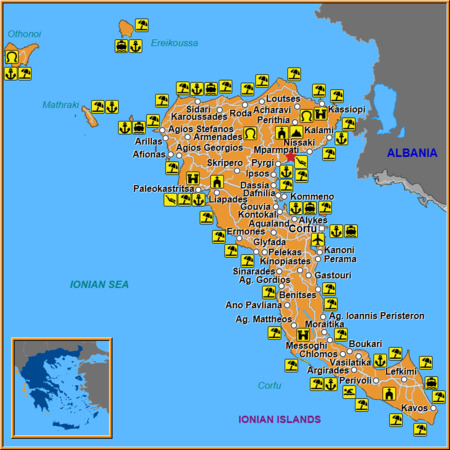
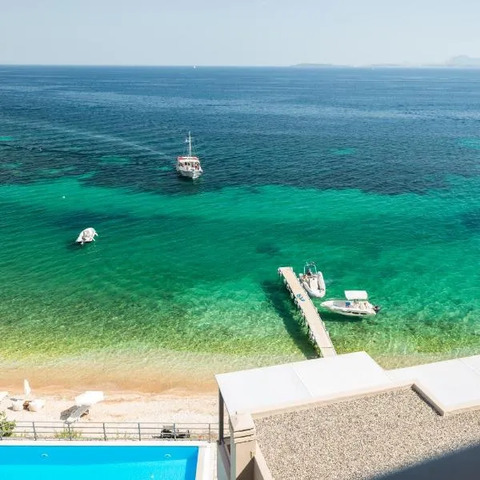
Mparmpati, a quiet village tucked between lush hills and the Ionian Sea, offers travelers an authentic slice of Greek island life. While its name may not appear in every guidebook, the village’s charm lies in its unspoiled landscapes, traditional architecture, and welcoming locals.
We suggest for your stay:
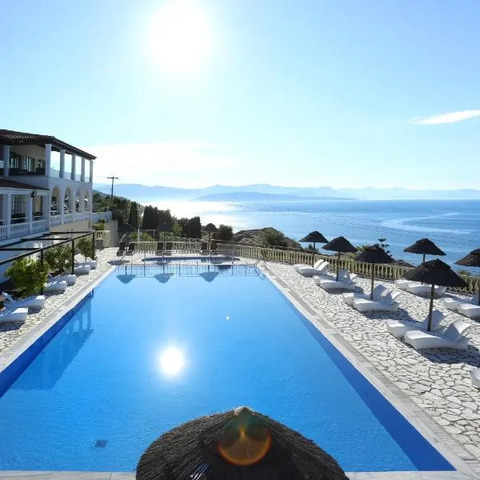
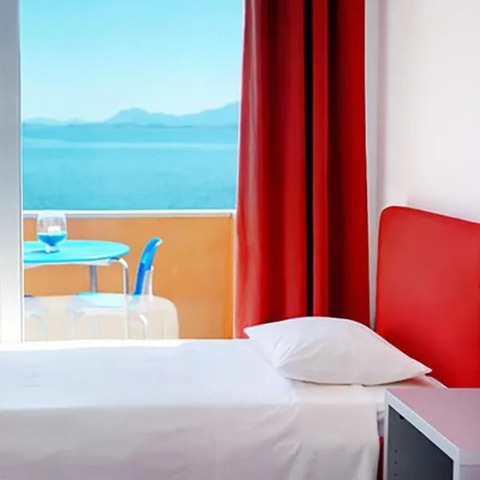
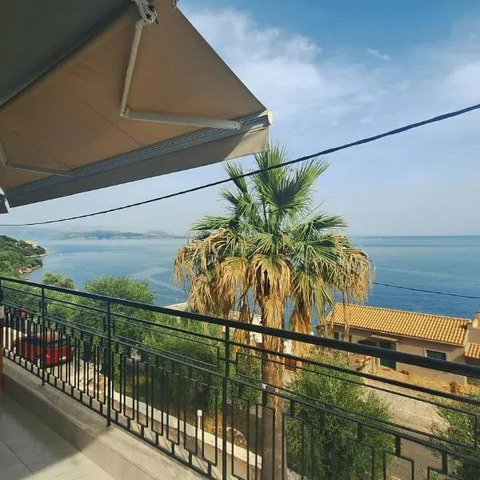
Still Looking for the Perfect Stay?

Why Mparmpati Matters
Authentic Atmosphere: Unlike bustling tourist hubs, Mparmpati preserves Corfu’s rural character.
Strategic Location: Situated just a short drive from the island’s main attractions, it serves as an ideal base for exploring both natural wonders and cultural sites.
Cultural Heritage: The village showcases classic Venetian influences in its stone houses and narrow lanes.
Exploring Mparmpati on Foot
Walking through Mparmpati is a sensory experience:
Stroll the Main Street – Admire the whitewashed façades, local craft shops, and cafés that serve homemade bougatsa.
Visit the Church of Saint John – A modest 18th‑century chapel offering panoramic views of the surrounding olive groves.
Sample Fresh Produce – Local farmers sell olives, honey, and seasonal fruits directly from their stalls.
Natural Highlights Near Mparmpati
Lighthouse of Agios Ioannis: A short hike rewards you with breathtaking sea vistas.
Mparmpati Hilltop Trail: Offers sweeping views of the Corfu coastline and neighboring villages.
Hidden Coves: Accessible by boat, these secluded beaches are perfect for a quiet swim.

Nearby Villages Worth Visiting
Mparmpati’s proximity to several charming settlements makes it an excellent gateway to explore more of Corfu’s hidden gems. In addition to the village itself, consider visiting:
Pyrgi – A small fishing village known for its traditional tavernas and sea‑side promenade.
Nissaki – Famous for its ancient ruins and a tranquil beach that feels untouched by mass tourism.
Ipsos – A lively resort area with vibrant nightlife, yet still retains pockets of quiet, picturesque streets.
Dassia – Offers sandy beaches and a relaxed atmosphere ideal for families.
Perithia – A quaint village where you can wander through olive groves and enjoy local wine tastings.
Dafnilia – Known for its lush pine forests and scenic hiking paths that lead to hidden waterfalls.
Practical Tips for Travelers
Best Time to Visit: Late spring (May–June) or early autumn (September–October) provide mild weather and fewer crowds.
Getting Around: Renting a scooter or car gives you flexibility, but local buses connect Mparmpati with major towns.
Accommodation: Choose from family-run guesthouses that offer homemade meals and a personal touch.
Cuisine Highlights: Don’t miss pastitsada (spicy meat stew) and freshly caught seafood served in traditional tavernas.
Final Thoughts
Mparmpati may be modest in size, but its allure lies in the authenticity it offers. Whether you’re wandering through stone‑lined streets, hiking to cliffside viewpoints, or simply sipping ouzo while watching a sunset over the Ionian Sea, this village invites you to slow down and experience Corfu beyond the usual tourist trail.
Suggested Itinerary (3 Days)
Day 1: Arrive in Mparmpati, explore the village, dine at a local taverna.
Day 2: Day trip to Pyrgi and Nissaki; enjoy beach time and historical sites.
Day 3: Hike the Mparmpati Hilltop Trail, visit Dassia for sunset, return to Mparmpati for a farewell dinner.
Enjoy your journey through this hidden corner of Corfu—where every path leads to discovery!


