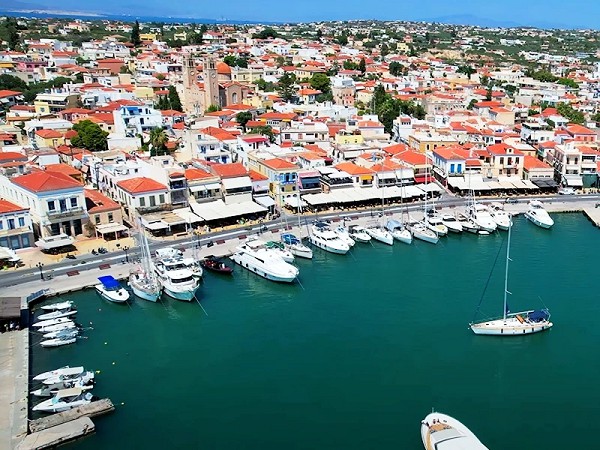
Nestled in the Saronic Gulf, Aegina Island offers a perfect base for travelers seeking history, nature, and tranquility. With Aegina Town as your starting point, you can craft a two-day itinerary that balances ancient wonders with scenic coastal drives. Whether you're drawn to archaeological sites or the charm of traditional villages, these routes ensure an unforgettable Greek experience.
We suggest for your stay:

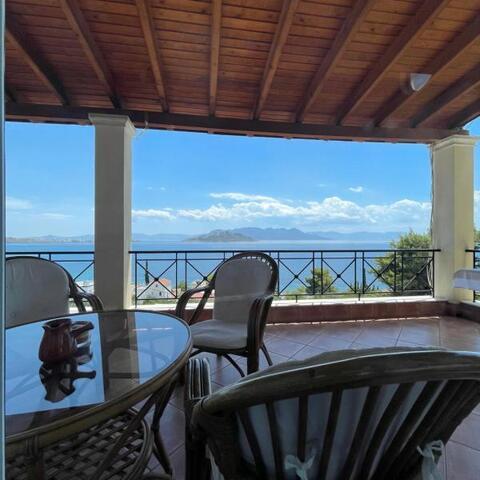
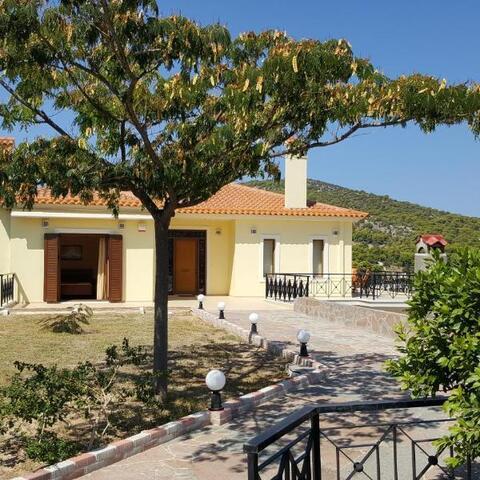
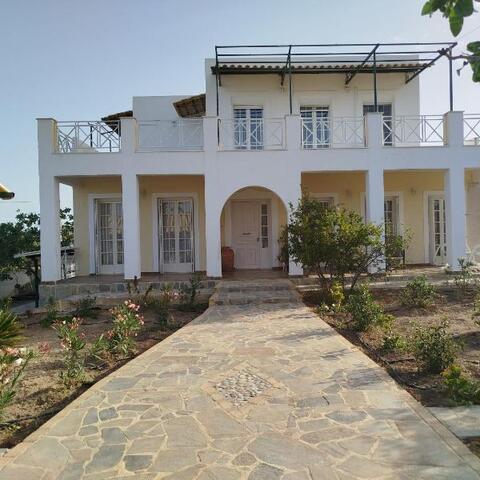
Still Looking for the Perfect Stay?

Day 1: Ancient Treasures and Timeless Ruins
Begin your journey at the Temple of Aphaia, a UNESCO World Heritage Site perched on the island's northern tip. This 5th-century BCE Doric temple is one of Greece's most well-preserved ancient structures, offering panoramic views of the Aegean Sea. Nearby, the Monastery of St. Nektarios provides a peaceful contrast—its whitewashed walls and serene courtyard are ideal for reflection or a quiet coffee break.
After exploring these landmarks, head to the Archaeological Museum of Aegina in Aegina Town. The museum houses artifacts from the island's rich history, including pottery, sculptures, and tools dating back to the Mycenaean era. Don't miss the Minoan frescoes and Classical-era statues that highlight Aegina's cultural legacy.
As afternoon turns to evening, take a leisurely stroll along the Aegina Town waterfront. The harbor is lined with tavernas serving fresh seafood, while sunset hues paint the sea in gold. This is the perfect moment to unwind before returning to your accommodation.
Day 2: Villages, Pistachios, and Coastal Charms
Venture inland for a day of rural exploration. Start at Palaiochora, a medieval settlement with crumbling stone houses and narrow alleys that feel like stepping back in time. The ruins are surrounded by olive groves and the distant sea, offering a glimpse into Aegina's past.
Next, drive to Perdika, a seaside village known for its rugged beauty and unspoiled beaches. Here, you can enjoy a picnic on the rocky shore or take a dip in the clear waters of Perdika Bay. The village is also famous for its local cheeses and freshly baked bread, which make excellent souvenirs.
No trip to Aegina would be complete without sampling the island's signature pistachios. Visit a local grower or stop by one of the villages where these vibrant green nuts are sold in markets. The pistachio season typically runs from July to September, though you can find them year-round in specialty shops.

Practical Tips for Your Aegina Itinerary
Transportation: Renting a car is ideal for flexibility, but bikes and scooters are also available for shorter distances.
Timing: Plan to arrive at the Temple of Aphaia early to avoid crowds and enjoy cooler temperatures.
Packing: Bring comfortable shoes for walking ruins and a light jacket for coastal breezes.
Frequently Asked Questions
What's the best time to visit Aegina Island?
Spring (April–June) and autumn (September–October) offer pleasant weather and fewer crowds, making them ideal for exploring ancient sites and villages.
Are there guided tours available for these day trips?
Yes—many local operators offer half-day or full-day tours that include transportation, expert guides, and curated itineraries.
Can I combine Aegina with a trip to Athens?
Absolutely. Aegina is just 25 minutes by ferry from Piraeus, making it easy to spend a day on the island before returning to Athens for the night.
What should I eat in Aegina Town?
Try garides saganaki (fried shrimp) at seaside tavernas or sample local wines paired with fava bean puree and grilled octopus.
Is there public transport to the Temple of Aphaia?
Yes—buses run regularly from Aegina Town, but arriving early ensures a spot on crowded summer days.
How long should I spend in Palaiochora?
Allocate 1–2 hours for exploring the ruins and enjoying the village's relaxed atmosphere.


