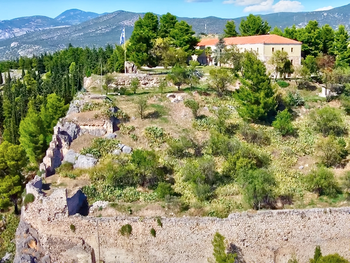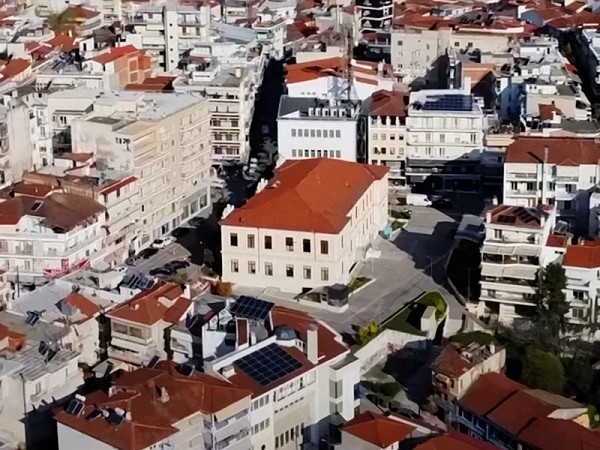
Veria City offers a unique blend of Byzantine history, ancient ruins, and mountainous landscapes. To make the most of your week here, balance cultural exploration with natural beauty. Start by mapping out key sites like the Byzantine churches, the Jewish Quarter (Barbouta), and nearby archaeological wonders such as Vergina’s Royal Tombs.
We suggest for your stay:
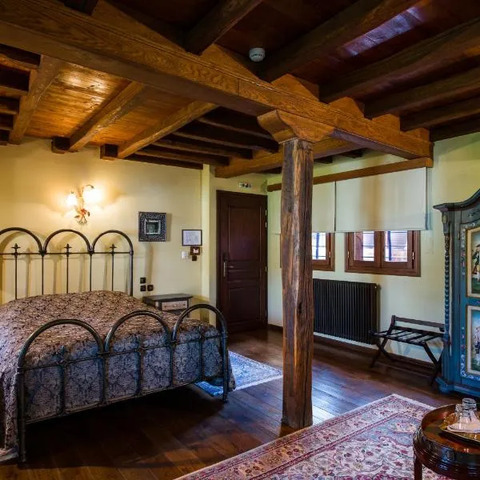
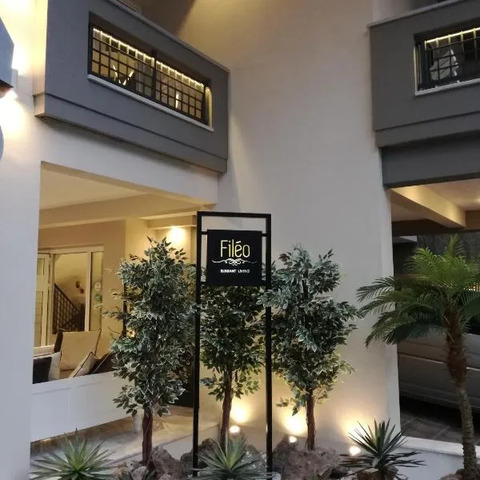
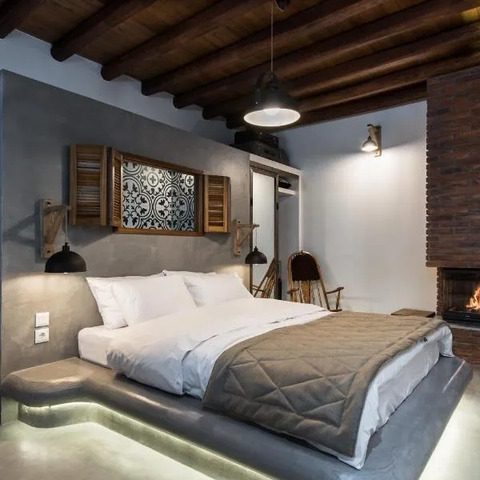
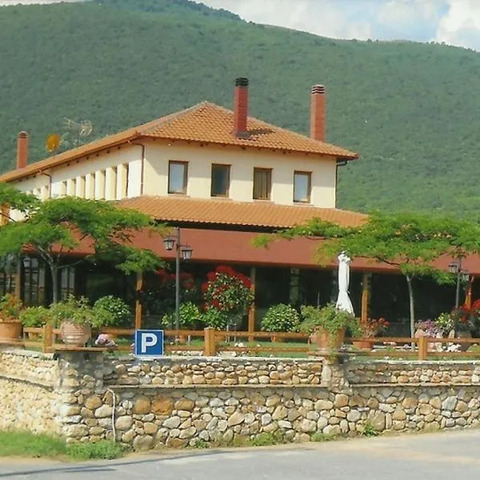
Still Looking for the Perfect Stay?

Day 1–2: Dive into Veria’s Heritage
Begin at Veria’s Byzantine Churches, including the Church of St. Nicholas and the Church of the Holy Apostles. These structures showcase intricate mosaics and frescoes from different eras. Allocate half a day for each, with time to explore their interiors and surrounding neighborhoods.
Visit the Jewish Quarter (Barbouta), a historic neighborhood that reflects Veria’s multicultural past. Wander its narrow streets and admire traditional architecture. Stop by local cafes for coffee or a pastry, then head to the Archaeological Museum of Veria to learn about the city’s ancient roots.
Day 3–4: Explore Vergina (Aigai) and Mieza
Dedicate two days to nearby archaeological sites. Start with Vergina (Ancient Aigai), home to the Royal Tombs of Macedonian kings. The on-site museum houses artifacts from Philip II’s tomb, a must-see for history enthusiasts.
Next, visit Mieza, the ancient School of Aristotle. Though ruins are modest, the site’s historical significance is profound. Combine this with a short drive to Naousa, a mountain town known for its wine production and scenic views. Sample local wines at vineyards or enjoy a meal in one of Naousa’s tavernas.

Day 5–6: Nature Escapes and Mountain Adventures
On the fifth day, head to Edessa Waterfalls (near Edessa city). These cascading waters are surrounded by forests, making them ideal for hiking or a picnic. Return to Veria in the afternoon to rest before the final day.
Day six should focus on the Seli Mountain Area, part of the Vermion Mountains. Hike through pine forests, visit traditional villages like Ano Seli, and enjoy panoramic views. Many tours include stops at monasteries or viewpoints for photography.
Day 7: Leisure and Departure
Spend your last day relaxing in Veria’s parks or browsing its markets. Consider a short trip to Kozani, a nearby city with thermal springs and Ottoman-era architecture. Alternatively, revisit a favorite site like the Jewish Quarter with fresh eyes before departing.
Tips for Timing Your Trip
Spring (April–June): Ideal for visiting open-air sites like Vergina and Seli without summer crowds.
Autumn (September–October): Cooler weather makes mountain hikes more comfortable, though some museums may close early.
Avoid July/August: High temperatures can make outdoor exploration uncomfortable.
Packing Essentials
Comfortable shoes for walking and hiking
Light layers for changing mountain climates
Sunscreen and a reusable water bottle
Camera for historical sites and natural landscapes
FAQs About Visiting Veria City
What’s the best time to visit Vergina (Aigai)?
Spring or autumn offers mild weather and fewer tourists, making it easier to explore the Royal Tombs.
Are the Byzantine churches in Veria accessible for wheelchair users?
Most sites have limited accessibility. Check with local guides or museums beforehand.
How long should I spend at Edessa Waterfalls?
Allocate 2–3 hours for hiking and photography, depending on your pace.
Is Naousa worth a day trip from Veria?
Yes—its wine cellars, mountain views, and relaxed vibe make it a perfect stop.
Can I combine Seli Mountain with a visit to Mieza?
It’s possible in one day, but two days are recommended for thorough exploration of both areas.
What local foods should I try in Veria?
Sample kleftiko (grilled lamb), pastitsio (macaroni with béchamel), and loukoumades (honey-soaked doughnuts) at family-run restaurants.