Athens offers a unique blend of ancient wonders and modern vibrancy. With seven days, you can experience its core attractions without feeling rushed. Prioritize iconic sites like the Acropolis while weaving in quieter neighborhoods and day trips to nearby landmarks.
We suggest for your stay:



Still Looking for the Perfect Stay?

Day 1: Arrival and Plaka Neighborhood
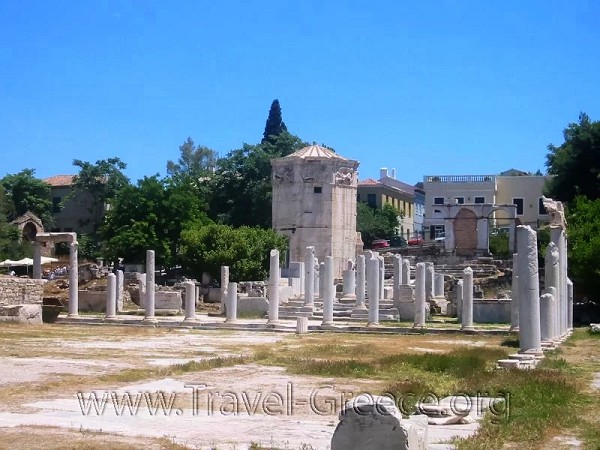
Start with a relaxed arrival, allowing time to settle into your accommodation. Explore Plaka, Athens' oldest neighborhood, where narrow streets, traditional tavernas, and neoclassical buildings create an immersive atmosphere. Walk from the Monastiraki Metro station toward the Acropolis, stopping at viewpoints like the Ancient Agora for early-morning photos.
 No Hidden Costs
24/7 Support
Free Cancellation
No Hidden Costs
24/7 Support
Free Cancellation


Day 2: Acropolis & Acropolis Museum
Dedicate a full day to the Acropolis and its surrounding archaeological sites. Begin with a guided or self-led tour of the Parthenon, Erechtheion, and Propylaea. Return to the Acropolis Museum in the afternoon to see artifacts directly linked to these ruins. Avoid midday heat by starting early (before 9 AM) and finish before 5 PM.

Day 3: Ancient Agora & National Archaeological Museum
Visit the Ancient Agora, a marketplace from classical times, then walk to the National Archaeological Museum—one of Europe's finest. Its collection spans Greek history from prehistoric eras to the Roman period. Pair this day with lunch at Syntagma Square or the nearby Monastiraki market.
Day 4: Plaka & Anafiotika
Spend a leisurely day in Plaka and its adjacent district, Anafiotika. Wander through labyrinthine streets, visit the Church of St. George, and enjoy local cuisine at family-run eateries. Take the funicular to Mount Lycabettus for panoramic views of the city.

Day 5: Cape Sounion Day Trip
Travel south to Cape Sounion, a coastal destination featuring the Temple of Poseidon. The 120-minute round-trip by bus or private car includes time to explore the temple and enjoy sea vistas. Return to Athens in the late afternoon for sunset at the Piraeus harbor.
Day 6: Delphi Day Trip
Head northwest to Delphi, a UNESCO World Heritage Site and ancient religious center. Allocate half a day for the archaeological site and another for the museum, which houses artifacts from the sanctuary. Return to Athens by evening, avoiding late-night travel on narrow mountain roads.

Day 7: Leisure and Departure
Use your final day for shopping at Ermou Street or browsing local boutiques in Exarcheia. Consider a last walk through the Ancient Agora or a visit to the Benaki Museum if time permits. Depart with a sense of having experienced both Athens' grandeur and its everyday charm.
Practical Tips
Timing: Visit major sites early (before 10 AM) or late (after 4 PM) to avoid crowds.
Transportation: Use the metro for city travel; book day-trip transfers in advance.
Pacing: Allow at least two hours per major site, more if visiting museums.
Weather: Pack layers—temperatures can fluctuate dramatically between sites and neighborhoods.

Frequently Asked Questions
What's the best time to visit Athens for a week?
Spring (April–June) or fall (September–October) offers mild weather and fewer tourists, ideal for exploring outdoor sites like the Acropolis.
How to get from Athens to Delphi?
The most reliable option is a private car or guided tour. Public transport requires multiple transfers and takes over three hours.
Are tickets for the Acropolis Museum included in general entry?
No—purchase separate tickets, though combined passes for the Acropolis complex often include access to the museum.
What's the best neighborhood for dinner in Athens?
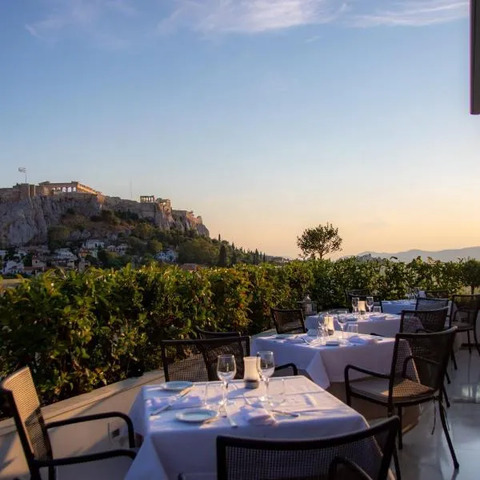
Plaka offers traditional Greek tavernas with rooftop views. For a more modern vibe, try Kerameikos or Exarcheia.
Can I visit all major sites in three days?
While possible, it would be rushed. A week allows deeper engagement with each location and time to avoid peak hours.
What's the most underrated site in Athens?
The Ancient Agora is often overlooked compared to the Acropolis but offers a glimpse into daily life in ancient Greece, complete with Roman-era stoas and statues.