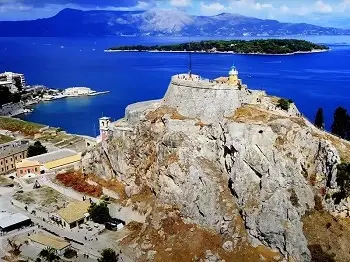
Tripoli City in the Peloponnese offers a unique blend of ancient history and natural beauty. Rather than focusing on urban exploration, travelers should treat it as a base for nearby archaeological sites and mountain villages. This itinerary balances cultural immersion with outdoor adventures, ideal for those seeking a slower pace.
We suggest for your stay:



Still Looking for the Perfect Stay?

Day 1: Exploring Tripoli's Heart
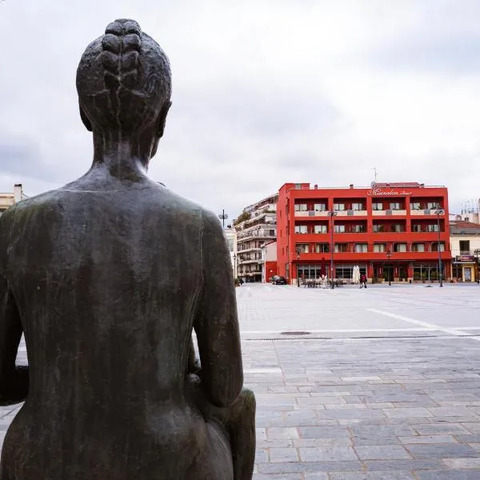
Begin at the main square, a hub of local life where cafés serve traditional Greek coffee. Stroll past neoclassical buildings and sample regional dishes like soutzoukakia (spiced meatballs). Visit the Archaeological Museum of Tegea nearby, which houses artifacts from the ancient city of Tegea. This museum provides context for the ruins you'll see the next day.
Day 2: Ancient Tegea & Its Legacy
Head to the archaeological site of Ancient Tegea, located just outside Tripoli. Explore remnants of a 5th-century BCE sanctuary, including the Temple of Athena Alea and the ancient theater. The site's strategic position on a hill offers panoramic views of the surrounding landscape.

Days 3–4: Mainalo Mountain Adventures
Drive to Mainalo, a mountain range in the southern Peloponnese. This area is perfect for hiking, with trails ranging from easy walks to multi-day treks. Stay in a mountain lodge or village guesthouse to experience rural life. Don't miss the views of Mount Parthenon and the chance to spot wild goats.
Day 5: Traditional Villages of Dimitsana & Stemnitsa
Travel to Dimitsana, a picturesque village perched on a hillside with panoramic views. Explore its stone houses, local shops, and the nearby Kastria Cave, known for its stalactites and folklore. Continue to Stemnitsa, where you can hike to the Monastery of Agios Georgios or enjoy a cable car ride down to the valley.

Day 6: Leisure & Local Culture
Spend a relaxed day in Tripoli, visiting local markets for souvenirs or enjoying a meal at a family-run taverna. Consider a short trip to Kastria Cave if time allows—its natural formations and legends make it a memorable stop.
Day 7: Departure & Reflections
Return to Tripoli's main square for one last coffee, then head to the airport or train station. Reflect on the blend of history, nature, and tradition that defines this region.

Tips for Travelers
Timing: Visit in spring (April–June) or autumn (September–October) for pleasant weather.
Transportation: Rent a car for flexibility; public transport is limited to nearby villages.
Packing: Comfortable shoes are essential for hiking, and layers work well for mountain climates.
FAQ
What's the best way to reach Ancient Tegea from Tripoli?
A short drive (15–20 minutes) via local roads connects Tripoli to the site. Guided tours are available through nearby hotels.
Are there accommodations in Mainalo Mountain?
Yes, several guesthouses and lodges offer stays, though booking in advance is recommended during peak season.
Can I visit Kastria Cave without a guide?
While possible, hiring a local guide enhances the experience with stories about its history and legends.
How long should I spend in Dimitsana and Stemnitsa?
Allocate half a day for each village to explore their charm without rushing.
Is food available at archaeological sites?
No, bring snacks or eat at nearby cafés. The Archaeological Museum of Tegea has a small café.
What's the local currency in Tripoli?
The euro is used throughout Greece, including all areas near Tripoli.