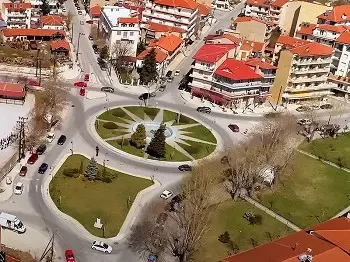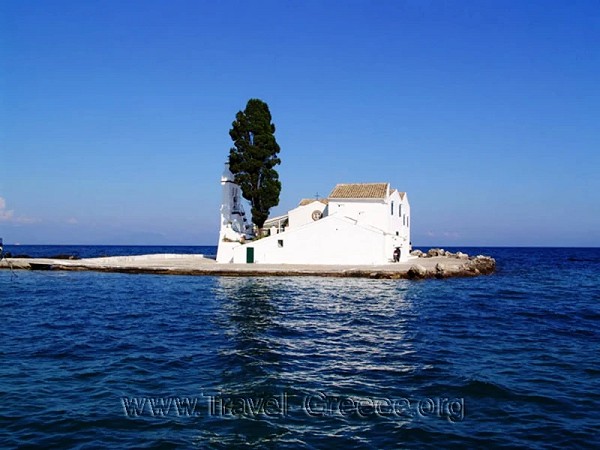
Corfu Island, Greece's northernmost territory, offers a unique blend of history, natural beauty, and vibrant culture. For solo travelers in 2026, the island remains a safe and welcoming destination, with well-maintained infrastructure and friendly locals. Whether you're drawn to ancient ruins, scenic hikes, or sun-drenched beaches, Corfu delivers an unforgettable experience.
We suggest for your stay:
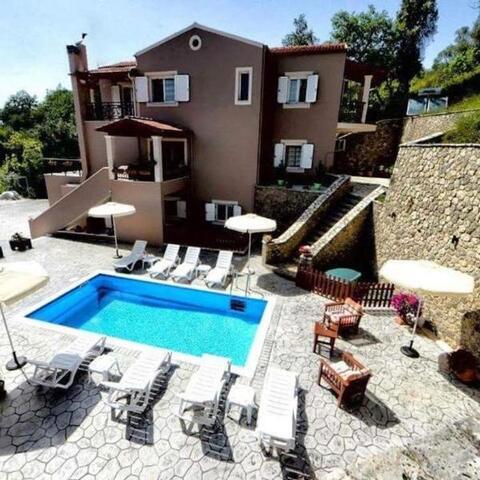
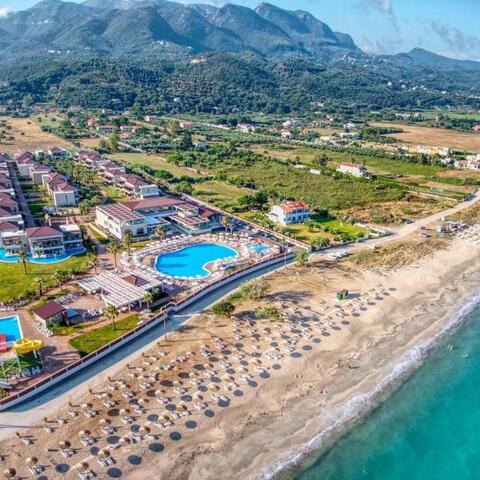
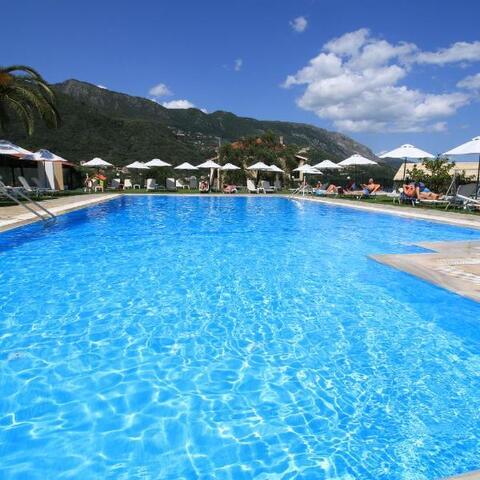
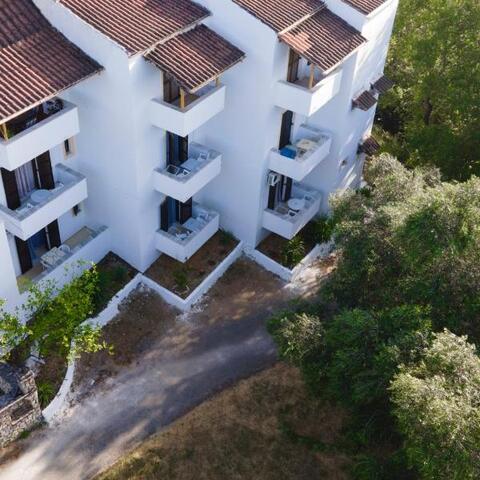
Still Looking for the Perfect Stay?

Safety Considerations for Solo Travelers
Corfu is generally considered one of the safest Greek islands for solo travelers, particularly women. Petty theft is rare in tourist areas, but standard precautions apply: keep valuables secure and avoid isolated spots at night. The island's compact size makes it easy to navigate by bus or bike, reducing reliance on taxis or strangers.
 No Hidden Costs
24/7 Support
Free Cancellation
No Hidden Costs
24/7 Support
Free Cancellation


Must-Visit Attractions
Corfu Old Town Walk
A UNESCO World Heritage Site, the Old Town (Chorio) is a maze of cobblestone streets, Venetian architecture, and bustling cafes. Spend an afternoon wandering its alleys, sipping ouzo at Kafeneio Glika Nefeli, or exploring the Liston promenade's boutique shops.
Paleokastritsa Coastal Hike
This 30-minute trail near Paleokastritsa leads to a secluded cove with crystal-clear waters. The path offers panoramic views of the Ionian Sea and is ideal for solo hikers seeking tranquility. Pack a towel—swimming in the Canyon of Love (Kanoni) is a must.
Achilleion Palace Visit
Perched above the village of Gastouri, this 19th-century palace honors Greek mythology's Achilles. Solo travelers can explore its opulent halls, frescoes, and gardens at their own pace. Admission fees are reasonable, and guided tours are optional.
Budgeting for a Solo Trip
Accommodation ranges from €30–€80 per night for hostels to €150+ for boutique hotels in the Old Town. Dining is affordable: a meal at a local taverna costs €10–€15, while beachfront restaurants may charge up to €25. Public transport (buses) runs €1–€2 per ride; renting a bike or scooter (€30–€50/day) is cost-effective for exploring.
Hidden Gems and Local Tips
Canal d'Amour: A short swim in this narrow sea canal near Paleokastritsa is romantic, but be mindful of strong currents.
Village Life: Stay in smaller towns like Kavos or Dassia for a quieter pace and cheaper stays than the Old Town.
Language: Greek is spoken widely, but English is understood in tourist areas. Learn basic phrases like keras (thank you) to enhance interactions.
Solo Traveler Etiquette
Respect local customs: dress modestly when visiting churches, avoid loud behavior in villages, and ask permission before photographing locals. Many Greeks appreciate solo travelers' curiosity and are eager to share stories about the island's history.
FAQ
What's the best time to visit Corfu for solo travel?
Spring (April–June) or early autumn (September–October) offers pleasant weather and fewer crowds, ideal for hiking and exploring.
Is it safe for women to travel alone in Corfu?
Yes—Corfu is known for its safety, but as with any destination, stay aware of your surroundings, especially at night.
How can I get around the island affordably?
Buses are inexpensive and cover major routes. Renting a scooter or bike is also popular among solo travelers.
Are there budget-friendly activities?
Yes: free walking tours in the Old Town, hiking trails with minimal costs, and beach access at public coves like Lefkimmi.
What should I pack for a solo trip to Corfu?
Light clothing for summer heat, sturdy shoes for hikes, swimwear, and a reusable water bottle. A waterproof bag is useful for sudden rain showers.
Final Thoughts
Corfu Island in 2026 remains a top choice for solo travelers seeking adventure, culture, and connection. With its mix of ancient sites, natural wonders, and friendly locals, the island offers experiences that are both enriching and accessible. Whether you're hiking through olive groves or sipping wine on a sun-drenched terrace, Corfu invites you to explore at your own pace.