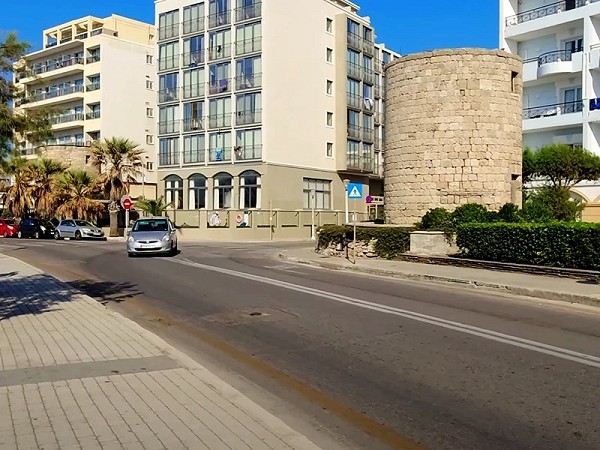
Rhodes Island's calendar of festivals blends medieval history with vibrant modern celebrations, offering travelers a unique window into Greek culture. From historical reenactments to religious feasts and cultural performances, the island's events reflect its layered heritage. Whether you're drawn to ancient traditions or contemporary art, 2026 promises unforgettable experiences.
We suggest for your stay:
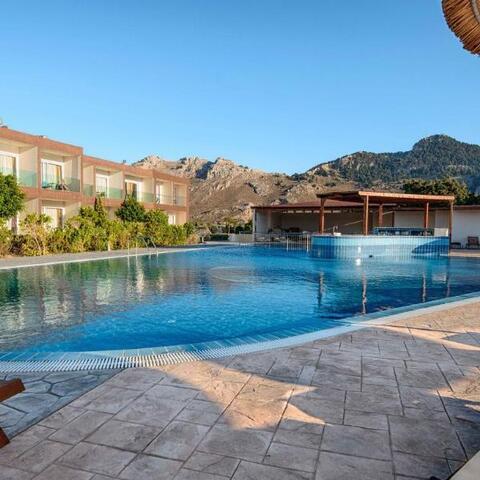
Still Looking for the Perfect Stay?

The Medieval Rose Festival: A Glimpse into History
Held in late May, the Medieval Rose Festival transports visitors to the island's past with elaborate processions, costumed parades, and reenactments of medieval life. Originating in the 14th century, this event honors Rhodes' role as a crossroads of civilizations. Key highlights include:
Historical exhibitions at the Palace of the Grand Master
Traditional music and dance performances in the Old Town
Craft fairs showcasing handmade souvenirs
Visitors should arrive early to secure spots near the main square, where the festival's iconic rose parade begins. Local tavernas often host themed dinners, pairing regional dishes with wine from nearby vineyards.
 No Hidden Costs
24/7 Support
Free Cancellation
No Hidden Costs
24/7 Support
Free Cancellation


The Rhodes Summer Festival: Cultural Showcases in June and July
The Rhodes Summer Festival runs from mid-June through August, transforming public spaces into stages for theater, music, and art. This annual event celebrates the island's artistic spirit while preserving its cultural roots. Notable components include:
Open-air concerts at the Archaeological Museum courtyard
Theater productions in ancient amphitheaters
Art exhibitions featuring local and international creators
The festival also includes workshops on traditional crafts, such as pottery and weaving. Families will enjoy children's performances and interactive storytelling sessions held in shaded plazas.

Agios Fanourios Feast: A Religious Celebration with Maritime Roots
In early August, the island honors Agios Fanourios, patron saint of sailors, with a week-long festival centered on gratitude and maritime tradition. Key events include:
Processions through Mandraki Harbor, led by local clergy and fishermen
Fishing competitions in nearby bays
Feast days at the Church of Agios Fanourios, featuring hymns and communal meals
The festival's highlight is the Flower Offering Ceremony, where residents and visitors contribute garlands to a floating shrine. This event attracts thousands, blending spirituality with community spirit.
Exploring Beyond the Main Events
While these three festivals dominate the calendar, Rhodes hosts smaller local celebrations throughout the year:
Local wine harvest festivals in September (e.g., Lefkonia's grape pressing events)
Traditional dance nights at village squares during spring
Artisan fairs in October, showcasing regional crafts like lacework and ceramics
For travelers seeking off-the-beaten-path experiences, these events offer a chance to connect with islanders and witness daily life.
Tips for Attending Festivals on Rhodes Island
Book accommodations early: Popular festivals can fill hotels quickly, especially in the Old Town and Lindos areas.
Dress appropriately: While casual attire is common, some events (like religious ceremonies) require modest clothing.
Try local cuisine: Sample dolmades, tzatziki, and roasted lamb at festival food stalls.
Respect traditions: Follow guidelines for processions or photography during sacred events.

Frequently Asked Questions
When is the best time to visit Rhodes Island for festivals?
The peak season runs from May through August, but smaller events occur year-round. For a mix of history and culture, plan visits between late May and early August.
Are there any ticketed events at these festivals?
Most public processions and performances are free, though some theater shows and concerts may require advance tickets. Check official festival websites for details.
How do locals celebrate the Agios Fanourios Feast?
Residents gather at Mandraki Harbor for processions, then enjoy seafood dinners at waterfront tavernas. The event also includes fireworks over the sea at midnight.
What should I avoid during these festivals?
Avoid loud behavior near religious sites and respect local customs during ceremonies. Be mindful of crowded areas, especially in historic neighborhoods.
Can I attend a festival if I don't speak Greek?
Yes—most events are accessible to non-Greek speakers, with signage in multiple languages and English-speaking staff available at major venues.
Are there family-friendly activities during these festivals?
Absolutely. Many events include children's workshops, storytelling sessions, and kid-friendly food options. Families often enjoy the open-air performances and craft markets.


