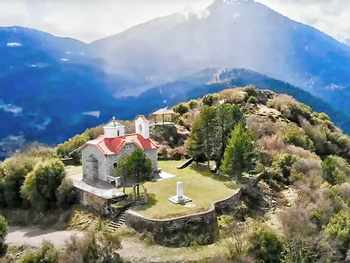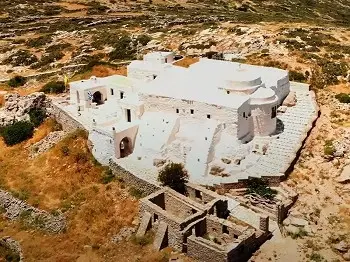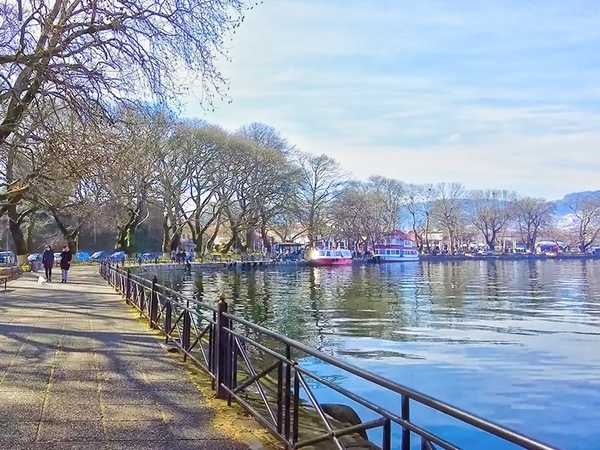
Ioannina City's festivals and events in 2026 promise a vibrant blend of tradition, artistry, and community spirit. Nestled beside the serene waters of Lake Pamvotis, the city becomes a stage for celebrations that reflect its history and identity. From ancient rituals to modern performances, these gatherings offer travelers a chance to immerse themselves in Epirus' cultural soul.
We suggest for your stay:
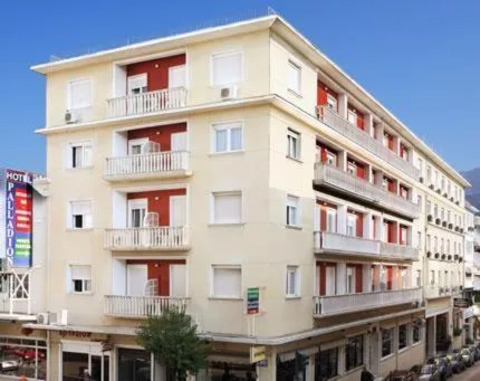
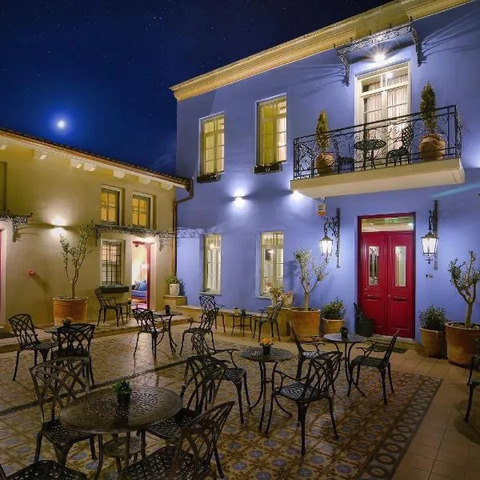

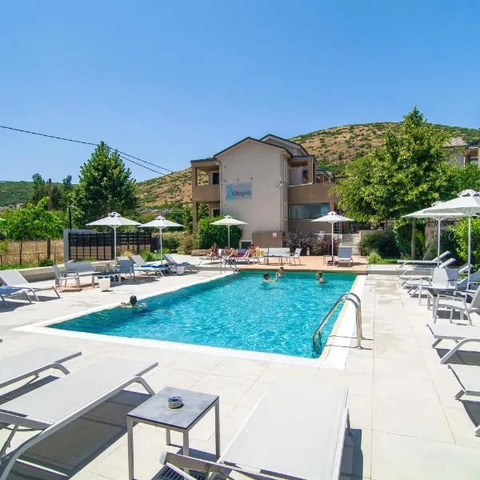
Still Looking for the Perfect Stay?

Ioannina Lake Festival: Celebrating Nature and Art
The Ioannina Lake Festival is a cornerstone of the city's calendar, typically held during summer months. This event transforms the lakefront into a hub for music, theater, and visual arts. Expect open-air concerts featuring local bands, street performances by traveling troupes, and art exhibitions showcasing regional talent. The festival also includes eco-friendly initiatives, such as clean-up drives and workshops on sustainable living, appealing to environmentally conscious visitors.
Epirus Folklore Festival: A Dance Through Time
For those seeking a deeper connection to Greece's heritage, the Epirus Folklore Festival in early spring is a must. Held near the city's historic castle, this event celebrates traditional music, dance, and crafts from across the region. Local artisans demonstrate age-old techniques like weaving and pottery-making, while folk ensembles perform under the stars. The festival often features storytelling sessions that recount Epirus' legends, offering insight into its rich oral traditions.

Agios Georgios Feast: Faith and Community
The Agios Georgios Feast, honoring Saint George, is one of Ioannina's most revered religious celebrations. Taking place in late April or early May, the festivities include a grand procession through the city streets, followed by communal meals at local tavernas. The highlight is the lighting of bonfires on Lake Pamvotis' shores, symbolizing renewal and protection. Visitors are encouraged to participate in the rituals, which blend faith with Epirus' rugged landscapes.
Planning Your Visit to Ioannina's Festivals
When attending these events, consider booking accommodations well in advance, especially for the lakefront hotels and guesthouses near Lake Pamvotis. Many festivals offer guided tours or cultural packages that include tickets to performances and access to exclusive workshops. Local restaurants often create seasonal menus featuring regional specialties like fava (a lentil puree) and grilled meats.

Tips for Festival Goers
Dress in layers: Evenings by the lake can be cool, especially during spring and autumn festivals.
Respect traditions: When participating in religious events, follow local customs (e.g., modest attire for church services).
Explore beyond the festival: Ioannina's castle ruins, the Old Town's cobblestone streets, and nearby mountain trails offer year-round attractions.
Frequently Asked Questions
What is the best time to visit Ioannina for festivals?
The peak season runs from April to September, with major events concentrated in spring (Agios Georgios Feast) and summer (Lake Festival). Early visits avoid crowds during religious celebrations.
Are there family-friendly activities at these festivals?
Yes—many events include children's workshops, folk dance classes, and interactive exhibits. The Epirus Folklore Festival often hosts storytelling sessions tailored for younger audiences.
How can I get to Ioannina from Athens?
The fastest route is by bus or flight to Ioannina Airport (IOA), followed by a short transfer. Trains and shared taxis are also available, though they take longer.
What should I pack for Lake Pamvotis events?
Comfortable shoes for walking, a light jacket for evenings, and sunscreen for daytime activities are essential. A reusable water bottle is handy during outdoor performances.
Are there vegetarian or vegan food options at festivals?
Many local tavernas offer plant-based dishes like spanakopita (spinach pie) and lentil stews. Check with organizers for dietary accommodations in advance.
Can I attend these festivals without speaking Greek?
Absolutely—most guides, menus, and signage are available in English, especially at tourist-focused events. Basic phrases like keras (thank you) can enhance interactions with locals.