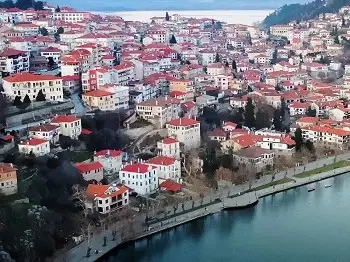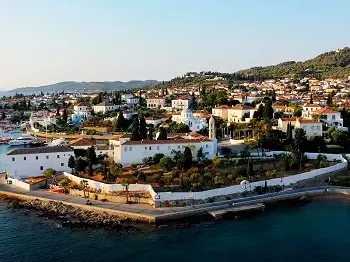
Edessa City, nestled in northern Greece, offers more than its stunning waterfalls and historic landmarks. In 2026, the city becomes a vibrant hub of cultural expression through three major festivals: the Edessa Cherry Festival, the Traditional Dance Festival, and the Assumption of the Virgin Mary celebration. These events provide unique opportunities to experience local traditions, folklore, and religious heritage while exploring one of Greece's most picturesque destinations.
We suggest for your stay:

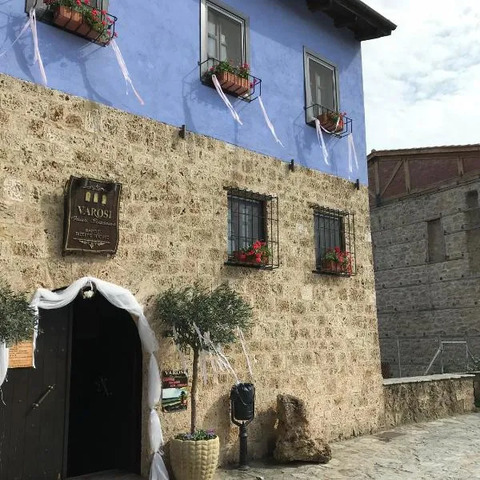
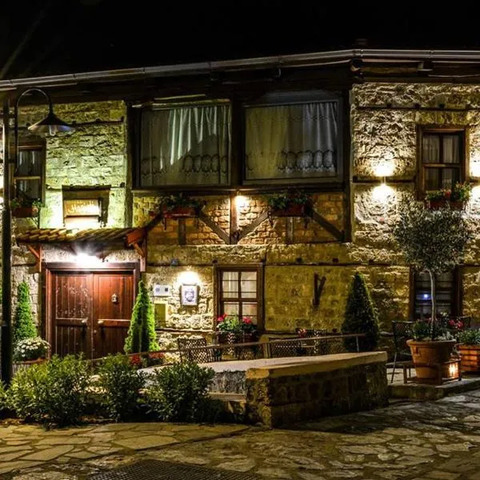

Still Looking for the Perfect Stay?

The Edessa Cherry Festival: A Taste of Local Culture
Held annually in late May, the Edessa Cherry Festival transforms the city into a colorful celebration of its agricultural roots. Visitors can sample locally grown cherries at farmers' markets, attend cooking demonstrations showcasing traditional recipes, and enjoy live music performances that blend modern and folk genres. The festival also features art exhibitions and craft fairs where local artisans sell handmade goods inspired by Edessa's natural beauty.
This event is particularly popular with families, offering activities for children such as face painting, storytelling sessions, and guided tours of the surrounding cherry orchards. For those seeking a deeper connection to the region's agrarian traditions, visiting nearby farms during the festival provides insight into sustainable practices that have sustained Edessa's community for generations.
The Traditional Dance Festival: Preserving Folklore
In August, Edessa City hosts its Traditional Dance Festival, a tribute to Greece's rich folk heritage. This week-long event showcases performances by regional dance troupes from across the country, each representing distinct cultural influences. Dancers in vibrant costumes perform traditional dances like the Syrtos and Kalamatianos, accompanied by live instrumentation that fills the air with rhythmic energy.
The festival includes workshops where attendees can learn basic steps of these dances, making it an interactive experience for travelers of all ages. Local tavernas often host themed evenings, pairing traditional dishes like kleftiko or pastitsio with folk music. For those interested in the history behind these performances, guided tours of Edessa's museums and historic districts offer context on how folklore has shaped the region's identity.

The Assumption of the Virgin Mary: A Religious Celebration
One of the most significant religious events in Edessa is the celebration of the Assumption of the Virgin Mary, observed on August 15. This day draws thousands of pilgrims and visitors who gather at the city's historic churches, particularly the Church of St. Nicholas, for processions, hymns, and candlelit vigils. The atmosphere is solemn yet celebratory, with locals dressing in traditional attire to honor the occasion.
The festival includes a week of preparatory events, such as church exhibitions, religious art displays, and lectures on Byzantine history. On the main day, the city's streets are adorned with flowers and banners, creating a visually striking backdrop for the procession. Travelers should note that accommodations in Edessa fill quickly during this period, so booking well in advance is advisable.
Exploring Edessa Beyond Festivals
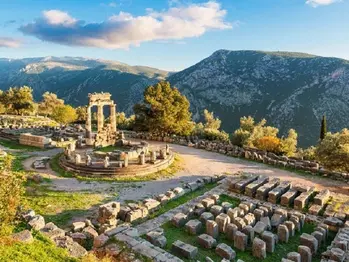
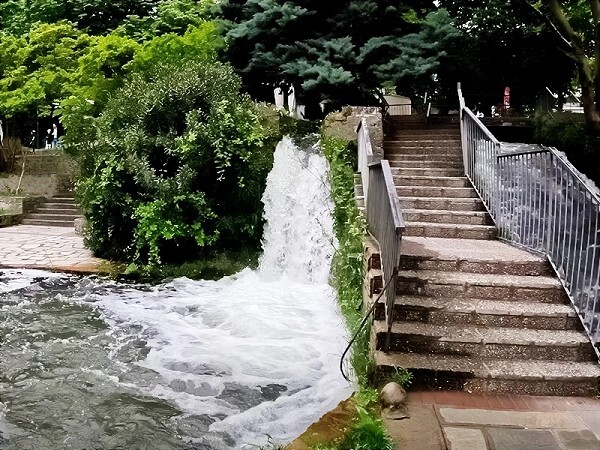
While festivals dominate the calendar, Edessa City itself is worth visiting year-round. The Vergina Waterfalls, located just outside the city, are a natural highlight, offering serene hiking trails and panoramic views of cascading water. For history enthusiasts, the ancient ruins of Aigai, the former capital of Macedon, provide a glimpse into Greece's classical past.
Local cuisine is another draw, with dishes like kouroumpi (a sweet cheese dessert) and lamb souvlaki available at family-run eateries. Many festivals also feature food stalls serving regional specialties, making it easy to sample Edessa's culinary offerings without leaving the event grounds.

Tips for Festival Travelers
Plan Ahead: Check festival dates in advance and book accommodations early, especially around August when religious events coincide with peak tourist season.
Dress Appropriately: For religious festivals, modest clothing is recommended. Traditional dance events may require comfortable shoes for dancing or walking.
Transportation: Public transport within Edessa is reliable during major festivals, but renting a car offers flexibility for exploring nearby attractions like the waterfalls.
Language: While Greek is widely spoken, many locals in tourist areas understand basic English. Learning a few phrases can enhance interactions with residents.
Frequently Asked Questions
What is the best time to visit Edessa City?
Edessa's festivals in late May and August offer unique cultural experiences, but spring and autumn provide pleasant weather for exploring natural attractions like the Vergina Waterfalls.
Are there family-friendly activities at the festivals?
Yes. The Cherry Festival includes children's workshops, while the Traditional Dance Festival offers interactive dance lessons suitable for all ages.
How can I reach Edessa City?
The nearest major airport is Thessaloniki (SKG), with regular bus and train services connecting to Edessa. Renting a car from nearby cities like Thessaloniki or Larissa is also a convenient option.
Are tickets required for festivals?
Most events are free, though some workshops or special performances may have small fees. Check the official festival websites for details.
What local dishes should I try?
Don't miss kouroumpi, pastitsio (a baked pasta dish), and soutzoukakia (spiced meatballs) at local tavernas.
Can I visit the waterfalls during festival season?
Yes, but be mindful of crowds. Early mornings or weekdays offer a more tranquil experience at the Vergina Waterfalls.