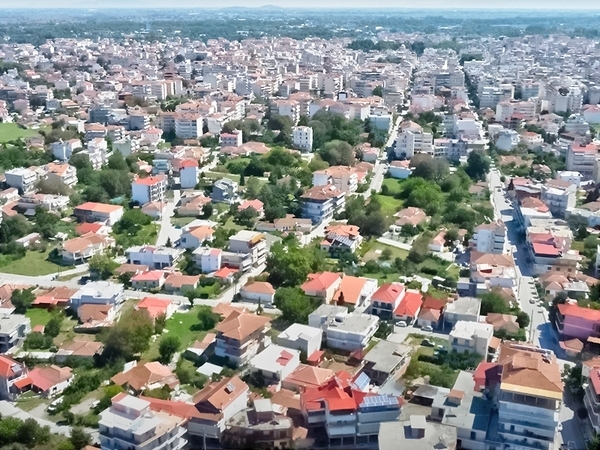
Karditsa City (Καρδίτσα) sits at the crossroads of history and natural beauty in central Greece. While its compact size makes it ideal for a relaxed day trip, the surrounding areas offer opportunities to delve into ancient stories, serene landscapes, and traditional village life. Whether you're drawn to museums, parks, or lakeside getaways, Karditsa serves as an excellent base for discovering hidden gems within a short drive.
We suggest for your stay:
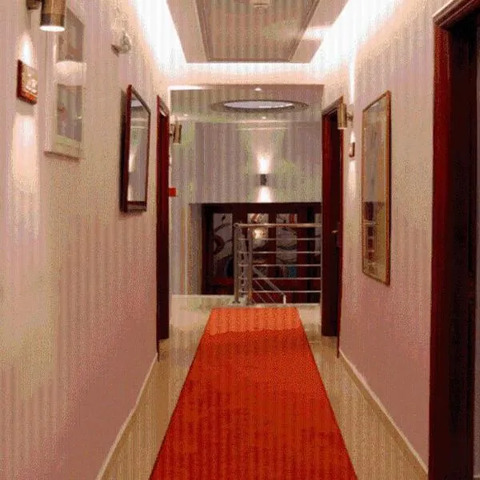
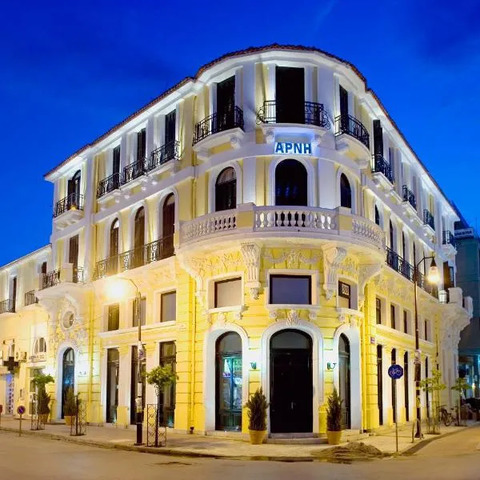
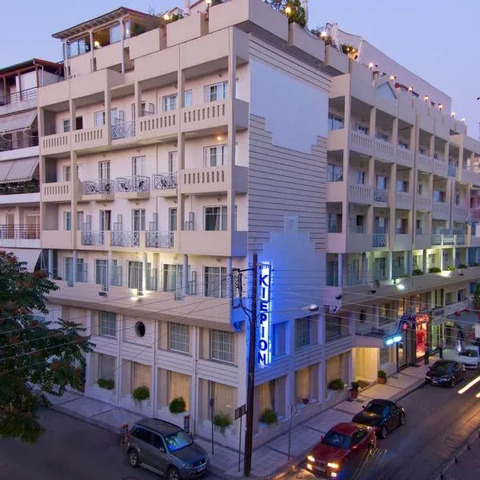
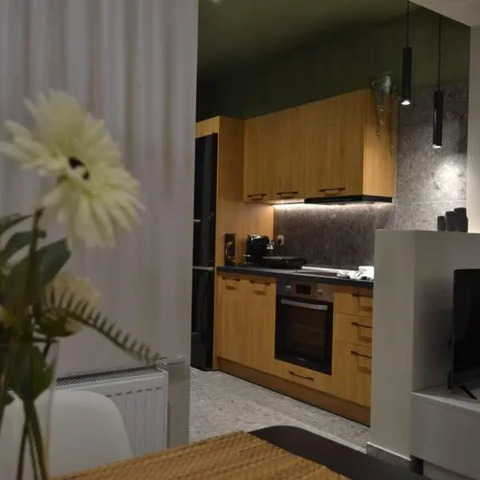
Still Looking for the Perfect Stay?

A Leisurely Day in Karditsa Town
Begin your journey with a stroll through Pausilipos Park (Παυσίλυπο), a peaceful urban oasis where locals gather to relax and enjoy panoramic views of the city. The park's shaded paths and open lawns make it perfect for a picnic or simply soaking in the atmosphere.
Next, visit the Museum of Karditsa (Μουσείο Πόλης Καρδίτσας) to uncover the region's rich history. Housed in a 19th-century neoclassical building, the museum showcases artifacts from ancient Thessaly, including pottery, tools, and relics from the Macedonian era. Its exhibits provide insight into Karditsa's role as a strategic military hub during the Greek War of Independence.
For a taste of local culture, explore the city center's cobblestone streets, lined with traditional shops selling handmade crafts and regional products like koulourakia (buttery cookies) and olive oil. A short walk from the museum leads to the Karditsa Castle, though its ruins are modest compared to other Greek fortresses—it's more of a scenic stop than an in-depth historical site.
A Full Day at Lake Plastira: Villages, Views, and Serenity
Lake Plastira (Λίμνη Πλαστήρα) is the crown jewel of Karditsa's day-trip destinations. This artificial lake, created by the Tavroupou Dam (Φράγμα Ταυρωπού), offers a tranquil escape with crystal-clear waters and dramatic mountain backdrops. The dam itself is a popular viewpoint, where visitors can enjoy sweeping vistas of the reservoir and the surrounding peaks.
From the dam, take a scenic drive to the nearby villages of Bezoula (Μπεζούλα) and Neochori (Νεοχώρι). These traditional settlements retain their old-world charm, with whitewashed houses, stone pathways, and welcoming tavernas serving regional dishes like moussaka and grilled lamb. Bezoula is particularly picturesque, with its narrow alleys and panoramic views of the lake.
For nature lovers, a hike around Lake Plastira's perimeter reveals hidden coves, wildflower meadows, and opportunities for birdwatching. Kayaking or boat tours are available during warmer months, offering a unique perspective of the water's edge. Don't miss the Plastira Waterfall, a lesser-known gem tucked near the lake's western shore.

Tips for Planning Your Trip
Transportation: Rent a car to maximize flexibility; public transport options are limited beyond Karditsa city center.
Seasonal Considerations: Spring and autumn offer mild weather ideal for hiking, while summer is perfect for water activities. Winter brings snow-capped peaks but may limit access to some trails.
Accommodation: While Karditsa has hotels and guesthouses, consider staying in one of the nearby villages for a more immersive experience.
Frequently Asked Questions
What's the best time to visit Lake Plastira?
Spring (April–June) and autumn (September–October) provide pleasant temperatures and fewer crowds.
Are there guided tours from Karditsa?
Yes, local agencies offer half-day or full-day excursions that include transportation, meals, and entry fees to key sites.
Can I combine a museum visit with Lake Plastira in one day?
It's possible but tight—allocate 2–3 hours for the museum and prioritize the dam viewpoint and villages over hiking.
What should I pack for a trip to Bezoula/Neochori?
Comfortable shoes, a light jacket for mountain breezes, and cash for small village shops that may not accept cards.
Are there vegetarian options in Karditsa's restaurants?
Many tavernas offer fasolada (bean soup) or grilled vegetables as alternatives to meat-heavy dishes.