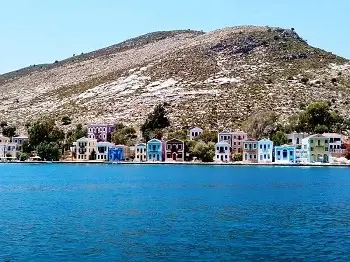
Agia Pelagia is a picturesque fishing village tucked into the cliffs of Heraklion’s southern coast. With its turquoise waters, traditional stone houses and unspoiled beaches, it offers an authentic Cretan experience far from the usual tourist crowds.
We suggest for your stay:
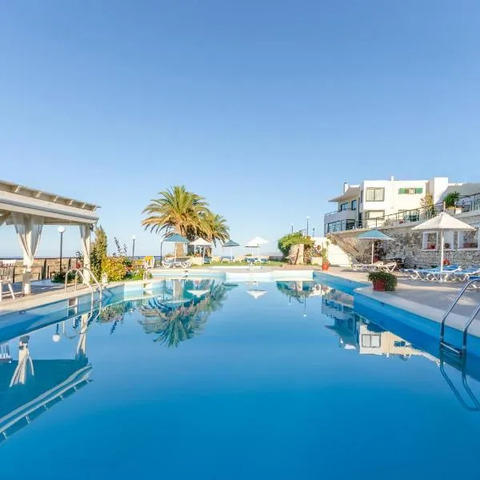
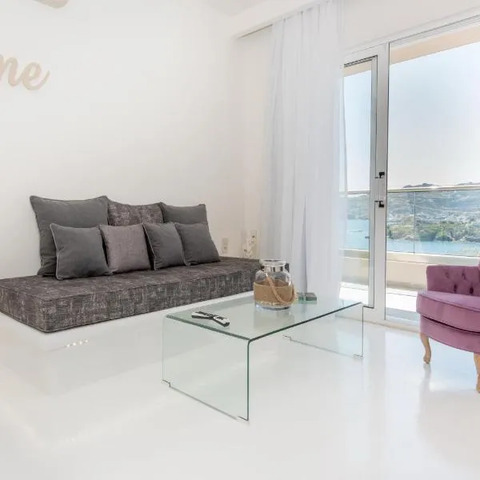
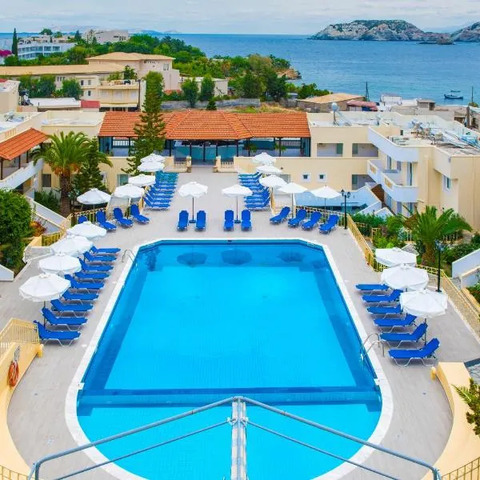
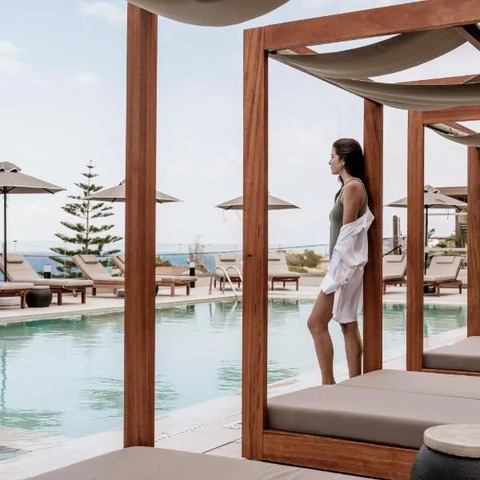
Still Looking for the Perfect Stay?

Why Agia Pelagia Stands Out
Authentic Atmosphere – The village retains its historic charm with narrow lanes, whitewashed cottages, and a bustling harbor where local fishermen bring in their daily catch.
Pristine Beaches – From the secluded Agia Pelagia beach to the nearby Koukouli cove, the coastline is dotted with hidden coves perfect for sun‑bathing and snorkeling.
Rich History – The village’s name means “Saint Pelagia,” reflecting its ancient roots. Nearby ruins of a Roman aqueduct hint at the area’s long maritime heritage.
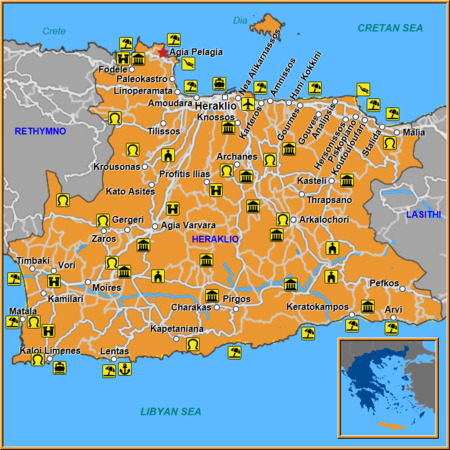
Navigating the Map: Key Routes & Landmarks
From Heraklion City – Take the coastal road (E75) southward, then turn onto the local path that winds past the historic Paleokastro village. This route offers panoramic sea views and a glimpse into Cretan rural life.
Via Fodele Village – A scenic detour through Fodele, known for its 19th‑century church and traditional stone houses, leads to a quieter access point to Agia Pelagia’s harbor.
Through Linoperamata & Amoudara – These small villages lie just east of the main road. Their quiet lanes provide an intimate way to reach the village without traffic congestion.
Tilissos and Nea Alikarnassos – For those staying in the nearby towns, a short drive from Tilissos or Nea Alikarnassos brings you directly to Agia Pelagia’s main beach area.

Must‑See Spots Around Agia Pelagia
Paleokastro Village – A stone‑clad hamlet offering traditional Cretan architecture and a peaceful atmosphere.
Fodele Village – Home to the beautiful Church of St. George, this village is a short walk from the main road and showcases classic island life.
Linoperamata – Known for its quiet lanes and local taverns, it’s an ideal spot for a relaxed lunch.
Amoudara Village – A hidden gem where you can enjoy fresh seafood right by the sea.
Tilissos Village – Offers scenic hiking trails that lead to breathtaking viewpoints overlooking the coast.
Heraklion City – The cultural heart of Crete, with museums, markets, and historic sites like the Knossos Palace.
Nea Alikarnassos Town – A modern town with shopping centers and easy access to the beach.
Activities & Experiences
Sailing & Windsurfing – The calm waters of Agia Pelagia are perfect for beginners and seasoned sailors alike. Local boat tours provide a unique perspective on the coastline.
Hiking Trails – Explore the Koukouli Trail, which winds through olive groves and offers panoramic sea views.
Local Cuisine – Sample fresh fish at the harbor taverns, or try traditional Cretan dishes like stifado and bougatsa in nearby villages.

Practical Tips for Travelers
Best Time to Visit – Late spring (May–June) and early autumn (September–October) offer mild weather and fewer crowds.
Getting Around – Renting a scooter or bicycle is ideal for exploring the surrounding villages. Public buses connect Heraklion City, Nea Alikarnassos, and Tilissos to Agia Pelagia.
Accommodation – Choose from cozy guesthouses in the village or stay in nearby towns like Nea Alikarnassos for more amenities.
Final Thoughts
Agia Pelagia is a hidden treasure that invites travelers to slow down and savor authentic Cretan life. By navigating its map—linking it with neighboring villages such as Paleokastro, Fodele, Linoperamata, Amoudara, Tilissos, and the bustling hubs of Heraklion City and Nea Alikarnassos—you’ll uncover a wealth of cultural, historical, and natural wonders that make this part of Crete unforgettable.