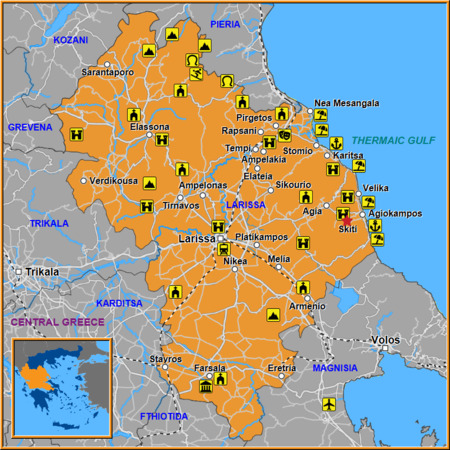
Skiti, a quiet gem nestled in the foothills of Larisa, offers travelers a unique blend of history and culture that is often overlooked. By exploring its detailed map, visitors can uncover hidden paths, ancient ruins, and local traditions that bring the village to life.
We suggest for your stay:

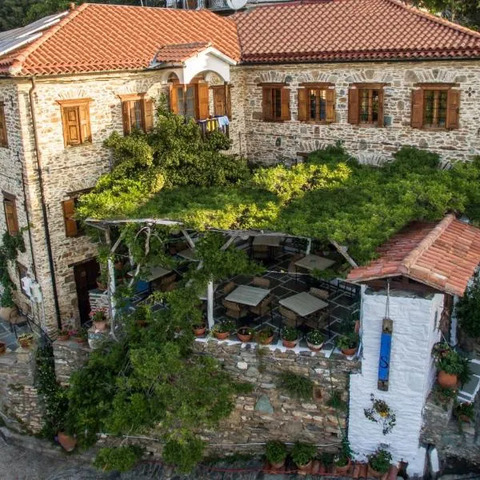
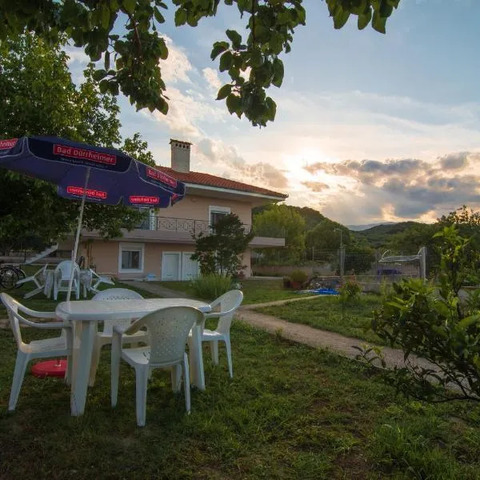

Still Looking for the Perfect Stay?

Why a Map Matters
A well‑crafted map does more than show roads; it reveals the geographical context that shaped Skiti’s development. From the winding lanes leading to the old church of Saint Elias to the elevated viewpoints overlooking the surrounding valleys, each marker on the map tells a story.
Key Historical Sites in Skiti
The Church of Saint Elias – A 15th‑century Byzantine structure with frescoes that survived Ottoman rule.
Ancient Olive Groves – Dating back to the Hellenistic period, these groves illustrate the village’s long‑standing agricultural heritage.
Traditional Windmills – Located on the eastern ridge, they once powered grain mills for neighboring communities.

Cultural Highlights
Skiti is renowned for its vibrant festivals. The annual Harvest Festival celebrates local produce with music, dance, and traditional costumes. Visitors can also explore hand‑crafted pottery workshops, where artisans demonstrate techniques passed down through generations.
Nearby Villages Worth Visiting
While Skiti itself offers plenty to see, the surrounding villages provide complementary experiences:
Agiokampos Village – Known for its lush vineyards and rustic taverns.
Agia Town – Home to a charming 18th‑century monastery with stunning mosaics.
Velika Village – Features an open‑air market showcasing regional cheeses and honey.
Karitsa Village – Famous for its stone‑carved churches and scenic hiking trails.
Kanalia Village – Offers panoramic views of the Thermopylae plains.
Stomio Village – A fishing haven where locals still use traditional nets.
Melia Village – Known for its well‑preserved Ottoman architecture.
Sikourio Town – Hosts a cultural center that hosts folk music performances.
Practical Tips for Travelers
Best Time to Visit – Late spring (May–June) and early autumn (September) provide mild weather and vibrant local life.
Getting There – The nearest train station is in Larisa; from there, a 30‑minute taxi ride takes you to Skiti’s main square.
Accommodation – Stay at one of the village’s guesthouses for an authentic experience; many offer homemade meals.
Navigation – Download a high‑resolution map before departure; offline navigation is essential in remote areas.
The Map as a Cultural Artifact
Beyond its practical use, Skiti’s map itself is a cultural artifact. It showcases the evolution of road networks, land ownership, and even old place names that have faded from everyday speech. By studying these details, travelers gain insight into how geography shaped social structures and economic activities over centuries.
Conclusion
Exploring Skiti through its map opens doors to hidden treasures—ancient churches, fertile olive groves, and vibrant festivals—that define the village’s identity. Coupled with visits to nearby villages like Agiokampos and Karitsa, a journey around Skiti becomes an immersive exploration of Larisa’s rich cultural tapestry.
Ready to Map Your Adventure?
Grab your map, pack your curiosity, and step into the living history of Skiti and its neighboring communities. Each turn of the page—and each path you take—reveals another layer of this enchanting region.