Kythira Island, often called the 'Island of Beauty,' offers a unique blend of rugged coastlines, historic sites, and serene natural wonders. For travelers seeking a mix of relaxation and exploration, planning a week here requires balancing iconic spots like Kastro with hidden gems such as Mylopotamos waterfall. With careful timing and route planning, you can experience the island's best without feeling rushed.
We suggest for your stay:


Still Looking for the Perfect Stay?

Day 1: Arrival & Exploring Chora & Kastro
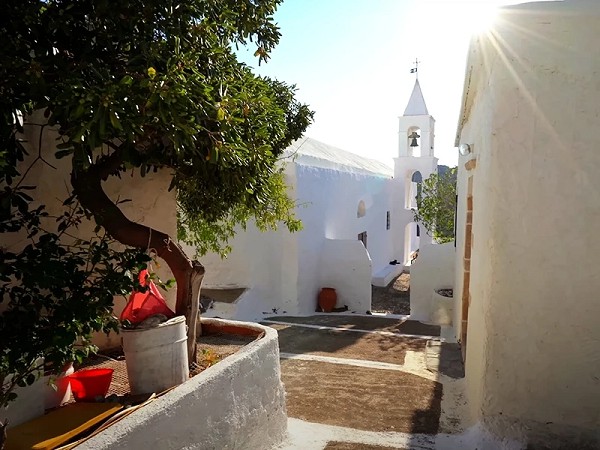
Begin your trip in Chora Kythiras, the island's main town, known for its whitewashed houses and panoramic views of the sea. Spend the afternoon wandering through Kastro, the medieval castle town perched on a hill. The narrow streets here are lined with traditional shops and tavernas serving local dolmades (stuffed grape leaves). As dusk falls, enjoy sunset views from the castle ramparts before settling into your accommodation.
Day 2: Kapsali & Kaladi Beach
Head to Kapsali, a picturesque seaside village with colorful houses and a small harbor. Take a stroll along its waterfront or rent a bike for a leisurely ride through the area. In the afternoon, drive to Kaladi Beach, a secluded spot with dramatic sea caves and turquoise waters. The beach is ideal for snorkeling or simply soaking in the scenery.

Day 3: Mylopotamos Waterfall & Hiking Trails
Allocate a full day for Mylopotamos Waterfall, one of Kythira's most iconic natural attractions. The hike to the falls takes about an hour and offers lush greenery, ancient olive trees, and stunning coastal views. After reaching the waterfall, cool off in the pool or take a short swim. Later, explore the Fonias/Mylopotamos trails for more hiking opportunities—these paths wind through wild landscapes with panoramic vistas of the Aegean.
Day 4: Avlemonas & Moni Mirtidiotissa
Visit Avlemonas, a traditional fishing village where time seems to stand still. Watch fishermen mend nets or take a boat tour (seasonal) to nearby islets. In the afternoon, drive to Moni Mirtidiotissa, a serene monastery nestled in a forested area. The hike here is gentle but rewarding, with views of the island and the chance to admire Byzantine frescoes.

Day 5: Remote Coves & Local Culture
Spend the day exploring Kythira's lesser-known coves. Consider Agios Georgios or Kapsali's quieter beaches, which are less crowded than Kaladi. In the evening, return to Chora for a taste of local life—try fava (a creamy lentil soup) at a family-run taverna and listen to live music in the square.
Day 6: Leisure & Departure Preparations
Relax on one of Kythira's beaches or take a short boat trip to nearby Antikyra, a small island with archaeological ruins. If time permits, revisit Mylopotamos for another hike or enjoy a picnic by the waterfall. On your final day, ensure you've packed essentials like sunscreen and a reusable water bottle before heading to the port.

Tips for Timing & Routes
Best Time to Visit: May–June or September–October avoids crowds while offering pleasant weather.
Transportation: Renting a car is ideal for flexibility; public buses are limited but available between main towns.
Pacing: Prioritize 1–2 days for hiking and nature, with the rest focused on beaches and cultural spots.
FAQ: Kythira Island Travel Insights
What's the best time to visit Kythira?
May–June or September–October offers warm weather without summer crowds.
Are there guided tours for Mylopotamos Waterfall?
Most visitors hike independently, but local guides can be hired in Chora.
Can I reach remote coves by public transport?
Yes, buses connect Kapsali and Kaladi to Chora, though cars provide more freedom.
What's the difficulty level of Kythira's hiking trails?
Most paths are moderate; wear sturdy shoes and carry water.
Where can I try local cuisine?
Chora's tavernas and Kapsali's waterfront restaurants serve fresh seafood and traditional dishes.
Are there accommodations near the waterfall?
Options are limited, but Chora or Kapsali offer comfortable stays with easy access to trails.