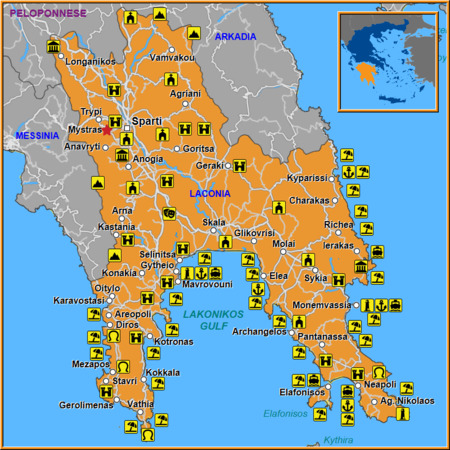
Mystras, perched on a steep hill in Laconia, is more than just an ancient fortress—it's a living museum that invites travelers to walk through centuries of history. The village’s cobblestone streets and stone‑walled palaces narrate stories of Byzantine glory, Ottoman resilience, and Greek independence.
We suggest for your stay:
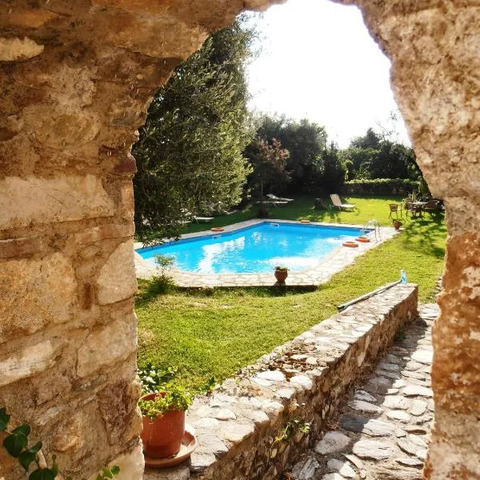
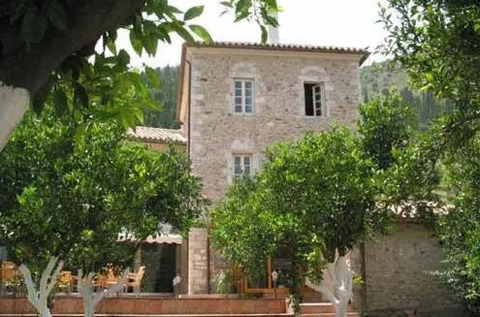
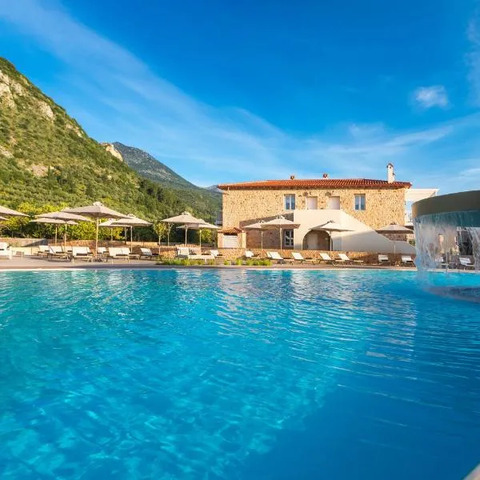
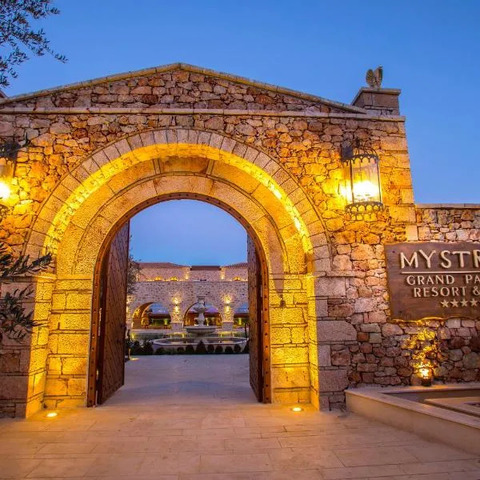
Still Looking for the Perfect Stay?

Why Map Mystras First?
Geographic Context: Understanding the topography helps you appreciate why the Byzantines chose this spot for a citadel—elevated defense, panoramic views, and proximity to vital trade routes.
Navigation Ease: A detailed map highlights key landmarks such as the Church of Saint John, the Monastery of St. George, and the Castle’s Gatehouse.
Cultural Layers: The map reveals layers of construction—from 12th‑century stonework to Ottoman additions—allowing you to trace architectural evolution.
Exploring the Village on Foot
Walking through Mystras feels like stepping into a time capsule. Begin at the Old Town Gate, then follow the winding path to the Palace of the Grand Master. Inside, ornate frescoes and marble columns showcase Byzantine artistry. Continue toward the Monastery of St. George, where monks once meditated amid serene gardens.

Nearby Gems Worth a Detour
While Mystras itself is a treasure trove, the surrounding villages offer complementary experiences:
Trypi Village: Known for its traditional stone houses and local olive oil tastings.
Anavryti Village: Features a charming church with 15th‑century iconography.
Sparti City: The historic capital of ancient Sparta—visit the archaeological museum and the ruins of the ancient theater.
Anogia Village: Famous for its vibrant pottery workshops.
Artemissia Village: Offers panoramic views of the Laconian plain.
Goritsa Village: A quiet spot where you can hike to hidden Byzantine chapels.
Agriani Village: Renowned for its local cheese and traditional music festivals.
These villages are within a short drive or even a pleasant hike from Mystras, making them perfect additions to your itinerary.
Practical Tips for Travelers
Best Time to Visit: Late spring (May–June) or early autumn (September) avoid the summer heat while offering lush landscapes.
Getting There: Public buses run from Sparta to Mystras, but renting a car provides flexibility to explore nearby villages.
Accommodation: Stay in a restored stone guesthouse for an authentic experience—many offer guided tours of hidden passages.
Local Cuisine: Don’t miss the kleftiko (slow‑cooked lamb) and fresh feta cheese from local dairies.
Respect Heritage: Stick to marked paths, especially in fragile ruins, and support conservation efforts by purchasing official guides or souvenirs.
The Map’s Hidden Stories
A well‑crafted map of Mystras does more than show roads; it tells a narrative:
Topographic contours reveal how the Byzantines leveraged natural defenses.
Color coding distinguishes periods—Byzantine, Ottoman, and modern Greek.
Legend symbols indicate archaeological sites, museums, and viewpoints.
Using this map as your companion turns every step into a lesson in history, architecture, and the enduring spirit of Laconia.
Final Thoughts
Mystras is not merely a destination; it’s an invitation to traverse time. With its intricate map guiding you through stone corridors, fresco‑adorned halls, and nearby villages brimming with culture, your journey will be as enriching as it is unforgettable.


