
Agelokastro, perched on a gentle hill in Korinthia, offers more than just breathtaking vistas—it is a living tapestry woven from centuries of history and local lore. By exploring its streets through an in‑depth map analysis, travelers uncover layers of culture that often go unnoticed by the casual tourist.
We suggest for your stay:
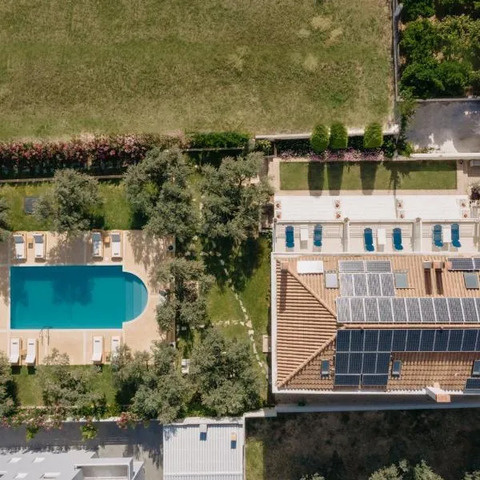
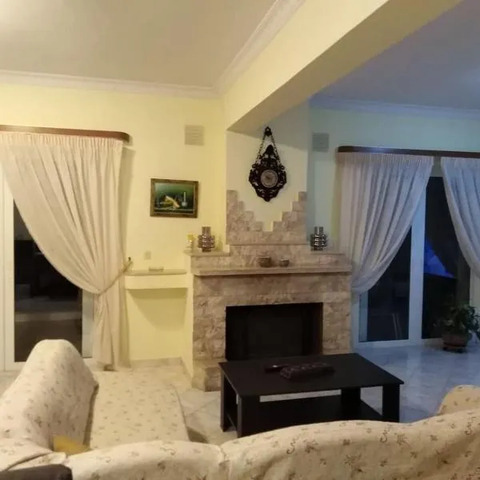


Still Looking for the Perfect Stay?

Why Map Analysis Matters
A traditional guidebook may list attractions, but a detailed map reveals hidden pathways, ancient ruins, and the subtle shifts in terrain that shaped Agelokastro’s past. By tracing old roads on the map, you can follow the footsteps of Byzantine monks, Ottoman merchants, and modern villagers who have all contributed to the village’s identity.
Key Historical Sites to Explore
Agelokastro Castle Ruins – The remnants of a medieval fortress sit atop the hill, offering panoramic views of the surrounding plains. A map pin points the safest ascent route.
St. George Church (Kyria Agios Georgios) – Built in the 18th century, this stone church houses frescoes that narrate local legends. The map shows a side path that leads to an underground cistern used during sieges.
The Old Olive Mill – Dating back to the early 1900s, the mill’s wooden beams still echo with stories of olive oil production. A marked trail on the map guides visitors through the surrounding olive groves.

Cultural Insights Through Cartography
Using a topographic overlay, one can see how Agelokastro’s layout was designed to maximize defense and agriculture. The village’s narrow lanes funnel travelers toward communal wells and markets, while higher terraces were reserved for vineyards and orchards. This spatial arrangement reflects the balance between protection and prosperity that defined the region.
Nearby Villages Worth Visiting
Agelokastro is surrounded by a cluster of charming villages that share its rich heritage:
Sofiko Village – Known for its traditional stone houses and artisanal pottery.
Arachneo Village – Offers scenic hiking trails along ancient olive trees.
Korfos Village – Home to a restored 19th‑century windmill.
Galataki Village – Features a small museum dedicated to local folklore.
Almiri Village – Famous for its untouched natural springs.
Loutra Elenis Village – Boasts thermal baths that have been used since antiquity.
Ligourio Town – A bustling market town with vibrant street art.
A well‑crafted map not only shows distances but also highlights the cultural corridors linking these settlements, allowing travelers to plan a seamless circuit of discovery.
Practical Tips for Map‑Based Exploration
Download an offline map app before you travel; connectivity can be spotty in rural Korinthia.
Mark key landmarks on your digital map so you can return to them easily.
Use the elevation data to choose comfortable hiking routes, especially around Agelokastro’s steep climbs.
Check local signage—many villages use bilingual signs that help orient visitors.
Respect private property; some historical sites are on family farms and may require permission to enter.
The Essence of Agelokastro
When you walk the mapped streets of Agelokastro, you’re not just seeing a village—you’re stepping into a living narrative where every stone tells a story. By pairing the map’s visual clues with local anecdotes, travelers gain a deeper appreciation for how geography and history intertwine to create this hidden gem of Korinthia.
Final Thoughts
An in‑depth map analysis transforms a simple visit into an immersive journey through time. Whether you’re tracing ancient trade routes or simply enjoying the sunset over the olive groves, Agelokastro invites you to uncover its secrets one mapped step at a time.


