Milos Island, a jewel of the Cyclades, offers more than pristine beaches and volcanic landscapes. Its festivals and events are deeply rooted in local traditions, blending religious devotion with artistic expression. In 2026, visitors can experience two standout celebrations: the Milos Festival and the Panigyri of Panagia Korfiatissa, each reflecting the island's unique heritage.
We suggest for your stay:
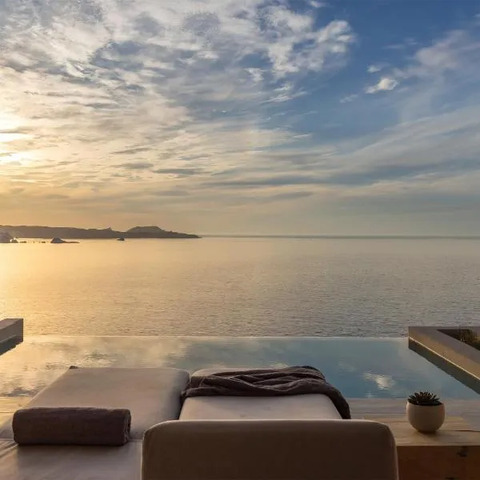
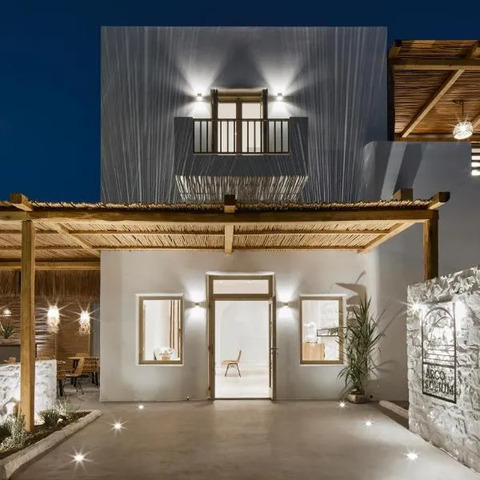
Still Looking for the Perfect Stay?

The Milos Festival: A Celebration of Art and Community
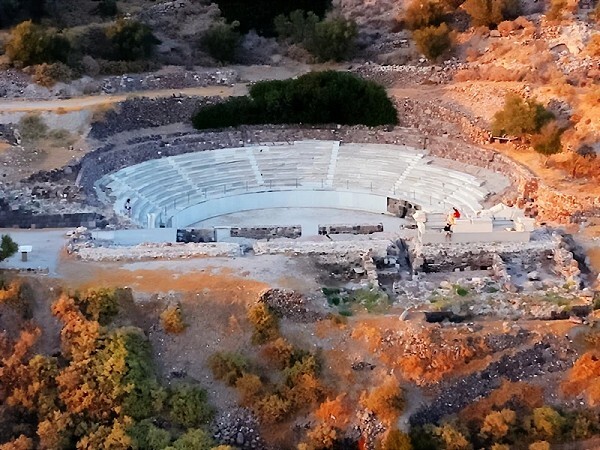
Held annually in July, the Milos Festival transforms the island into a vibrant hub for cultural enthusiasts. This event showcases Greek music, theater, and dance, with performances often staged in historic venues like the ancient theater of Klima or open-air plazas. Local artists collaborate with international guests, creating a dynamic exchange of creativity. The festival also highlights Milos's mining past through exhibits on its historical role as a hub for mineral extraction.
 No Hidden Costs
24/7 Support
Free Cancellation
No Hidden Costs
24/7 Support
Free Cancellation


What to Expect:
Traditional folk music nights at the Archaeological Museum
Contemporary art installations along the coastal promenades
Workshops on Cycladic pottery and stone-carving techniques

Panigyri of Panagia Korfiatissa: A Spiritual and Folkloric Tradition
In early May, the Panigyri of Panagia Korfiatissa honors the island's patron saint with a week-long celebration. The highlight is the religious procession through the village of Plaka, where locals carry icons in a centuries-old ritual. This event blends sacred tradition with lively folk music and dance, offering insight into Milos's deep religious roots.
Key Highlights:
Traditional kalamatiano (string band) performances
Local food stalls serving fresh cheese, honey, and ouzo
Handcrafted souvenirs from artisan workshops

Planning Your Visit: Tips for Festival Goers
To make the most of Milos's 2026 events, consider these practical tips:
Book Accommodation Early: July is peak season, so secure lodging in villages like Adamantas or Plaka well ahead.
Explore Beyond Festivals: Pair festival visits with hikes to Paleochora's ancient ruins or snorkeling at Sarakiniko's volcanic rock formations.
Respect Local Customs: During religious events, dress modestly and participate politely in processions if invited.
Why Milos Stands Out
Unlike mass-tourism destinations, Milos preserves its cultural identity through festivals that feel intimate and authentic. The island's mining history is subtly woven into celebrations—such as the use of volcanic stone in festival decorations—showcasing how tradition and geography intersect.
Frequently Asked Questions
What are the best times to visit Milos for festivals?
July for the Milos Festival and early May for the Panigyri of Panagia Korfiatissa offer the most immersive experiences.
How do I get to Milos Island from Athens?
Ferries run regularly from Piraeus Port, with travel time around 4–5 hours. Book tickets in advance during peak months.
Are festival events free to attend?
Most public performances and processions are free, though some workshops or special exhibitions may require admission fees.
Is Milos family-friendly during festivals?
Yes—festivals often include activities for children, such as craft demonstrations and storytelling sessions in local squares.
What local foods should I try at events?
Sample moussaka, dolmades, and freshly baked koulouri (sesame bread) from village stalls. Don't miss the island's renowned white eggplant (lachanakia) dishes.
Can I take photos during religious processions?
Always ask for permission first, especially when photographing participants or sacred items.