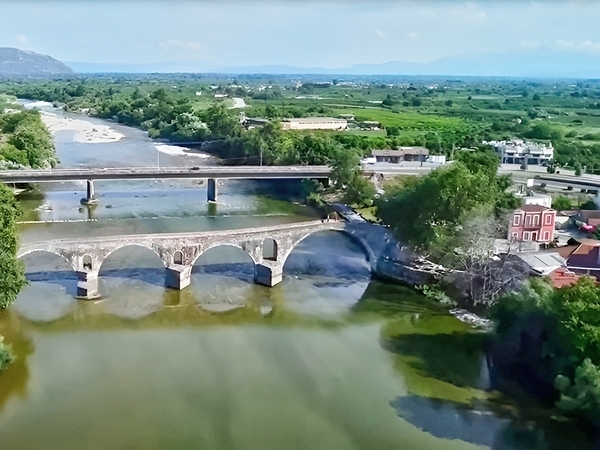
Arta City, nestled in northern Greece, offers a unique blend of history, spirituality, and tradition through its annual festivals. In 2026, visitors can immerse themselves in events that celebrate the region's rich heritage. From historic commemorations to vibrant religious feasts and folklore showcases, Arta's calendar is a testament to its enduring cultural identity.
We suggest for your stay:
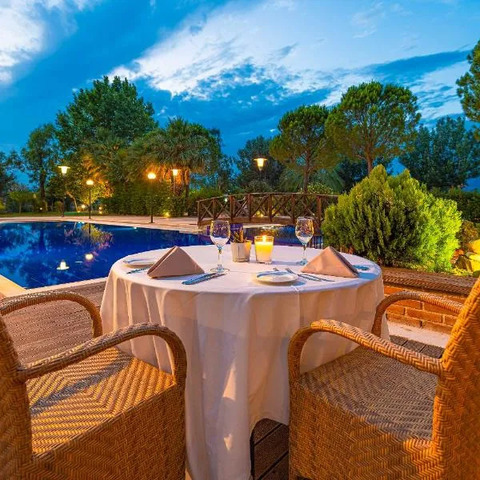
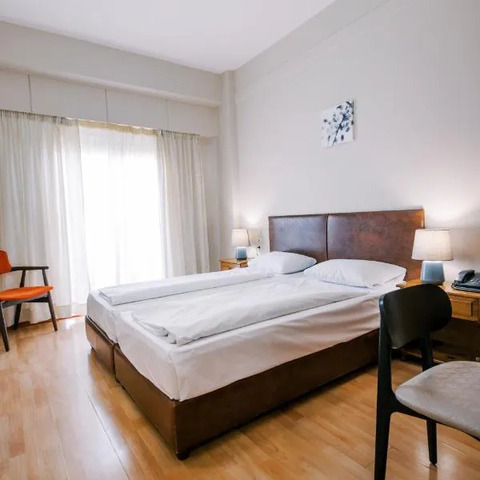
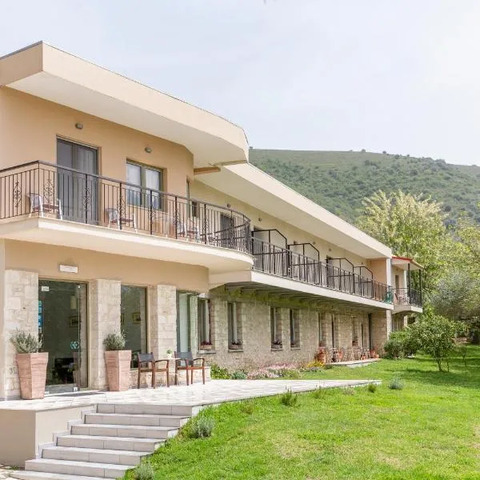
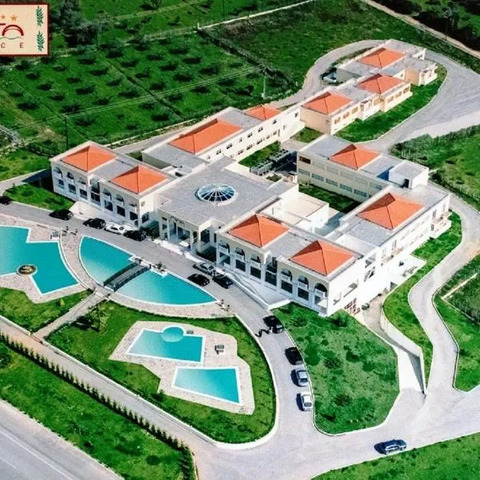
Still Looking for the Perfect Stay?

The Celebration of the Bridge of Arta: A Historical Reenactment
One of the most anticipated events in Arta is the Celebration of the Bridge of Arta, held annually in late May. This festival honors the 14th-century stone bridge, a symbol of the city's medieval resilience and architectural ingenuity. The event includes guided tours of the bridge, historical reenactments, and workshops on traditional craftsmanship. Local historians often lead discussions about the bridge's role in Epirus' defense against Ottoman invasions, offering insight into Arta's strategic importance.
What to Expect:
Historical Tours: Explore the bridge's carvings and learn about its construction.
Art Exhibits: Displays of ancient tools used by stonemasons.
Evening Light Shows: Projections mapping key moments in Arta's history onto the bridge.

Agios Dimitrios Feast: A Spiritual Celebration
In early October, Arta comes alive during the Agios Dimitrios Feast, a religious festival honoring Saint Dimitrios. This event is deeply rooted in local tradition, with processions through the city center and solemn rituals at the Church of Agios Dimitrios. The highlight is the Dimitriada, a grand procession where residents carry icons and candles, symbolizing faith and community unity.
Festival Highlights:
Religious Services: Attend midnight vigils and special Masses led by local clergy.
Traditional Food Stalls: Sample regional dishes like kleftiko (slow-roasted lamb) and pastitsio (Greek lasagna).
Music & Dance: Folk ensembles perform traditional Epirus melodies, often accompanied by louros (a type of flute).

Epirus Traditional Dance Festival: A Celebration of Folklore
For those drawn to movement and rhythm, the Epirus Traditional Dance Festival in June is a must-see. This event showcases the region's distinct folk dances, from the energetic tsamiko to the graceful sousta. Workshops allow visitors to learn basic steps, while performances by professional troupes highlight the diversity of Epirus' cultural expression.
Tips for Attendees:
Dress Comfortably: Traditional costumes are encouraged but not required.
Join a Workshop: Learn to dance tsamiko under the guidance of local instructors.
Attend Opening Ceremonies: The festival often begins with a parade featuring decorated floats and costumed performers.

Planning Your Visit: Practical Advice
When visiting Arta in 2026, consider the following:
Accommodation: Book stays in advance, especially during peak festival months (May–October). Options range from boutique hotels to family-run guesthouses.
Transportation: Rent a car for flexibility, as public transport may be limited during large events.
Cultural Etiquette: Dress modestly for religious festivals and respect local customs during processions.
Frequently Asked Questions
What is the best time to visit Arta in 2026?
The ideal months are May through October, when most festivals occur. Spring offers mild weather, while autumn brings vibrant celebrations like the Agios Dimitrios Feast.
How can I participate in traditional dances?
Most dance workshops at the Epirus Traditional Dance Festival are open to all ages and skill levels. Check with local event organizers for schedules.
Are there food festivals alongside cultural events?
Yes, many religious and historical festivals feature food stalls selling regional specialties like fava (split pea purée) and bougatsa (sweet phyllo pastry).
Do I need tickets for these events?
Most celebrations are free to attend, though some workshops or special performances may require advance registration.
What should I pack for Arta's festivals?
Comfortable shoes for walking, a light jacket for evenings, and a camera to capture the vibrant atmosphere. For religious events, modest clothing is recommended.
By attending these festivals, travelers gain more than just entertainment—they experience the soul of Arta City through its enduring traditions.


