Nestled on Greece's northeastern coast, Alexandroupoli offers a blend of coastal charm and cultural depth. While the city itself boasts attractions like its historic lighthouse and ethnological museum, nearby day trips reveal hidden gems in nature and heritage. These excursions are ideal for travelers seeking a mix of relaxation, history, and outdoor adventure.
We suggest for your stay:


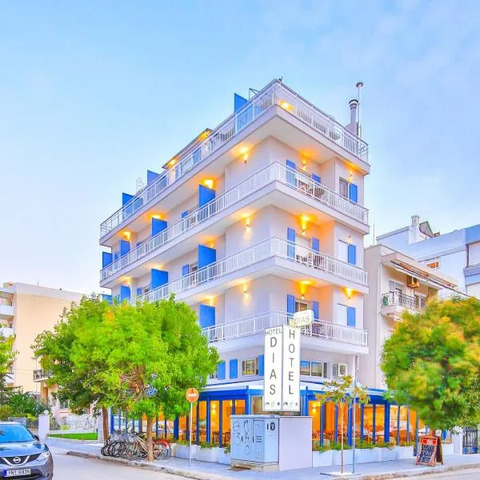
Still Looking for the Perfect Stay?

City Highlights: Museums & Seafront Strolls
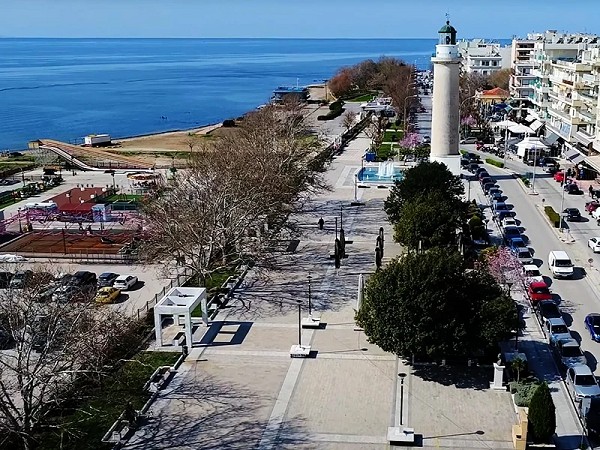
Before heading out, spend an hour or two exploring Alexandroupoli's core attractions. The Φάρος Αλεξανδρούπολης (Alexandroupoli Lighthouse) stands as a striking coastal landmark, offering panoramic views of the Aegean Sea. Its white tower and surrounding promenade are perfect for sunset photography or leisurely walks.
Next, visit the Εθνολογικό Μουσείο Θράκης (Ethnological Museum of Thrace), housed in a traditional Thracian house. The museum showcases artifacts, costumes, and tools that trace the region's rural heritage. Its exhibits are especially engaging for families and history enthusiasts.
Nature Reserves: Wetlands & Forests
For nature lovers, Δέλτα Έβρου (Evros Delta) is a must-visit. This UNESCO-listed wetland spans over 180 km² and serves as a critical habitat for migratory birds. Guided tours are available in spring and autumn, when thousands of waterfowl gather. Bring binoculars and a notebook—birdwatching here feels like stepping into a living documentary.
A short drive northeast leads to Δάσος Δαδιάς (Dadia Forest), a lush woodland known for its biodiversity. The area is home to rare species like the imperial eagle, and its hiking trails wind through ancient beech forests. Locals recommend visiting in late autumn when the leaves turn golden—a photographer's dream.

Heritage Towns & Caves: Timeless Treasures
Head southwest to Μάκρη – Σπήλαιο Κύκλωπα Πολύφημου (Makri – Cave of Cyclops Polyphemos). This village, perched on a hillside, offers views of the Evros River valley. The nearby cave, named after the mythical Cyclops, features impressive stalactites and underground pools. A guided tour is advisable to navigate its narrow passages safely.
Makri itself is worth exploring for its traditional architecture and local tavernas serving regional dishes like kleftiko (slow-roasted lamb). The village hosts annual festivals celebrating Thracian folklore, so check dates in advance if planning a visit during peak season.
Tips for Planning Your Trips
Transport: Renting a car is the most flexible option, as public transport to remote sites like Dadia Forest is limited.
Seasonality: Delta Evrou is best visited in spring (March–May) or fall (September–October). Dadia Forest's hiking trails are accessible from April to November.
Packing: Bring layers for nature trips—temperatures can fluctuate, especially near the riverbanks.

Frequently Asked Questions
What are the top museums in Alexandroupoli?
The Ethnological Museum of Thrace and the Archaeological Museum of Alexandroupoli (if open) are must-sees for cultural insights.
Is birdwatching possible in Delta Evrou?
Yes, it's one of Europe's premier sites for observing migratory birds. Join a guided tour or visit during peak seasons for the best experience.
Can I hike in Dadia Forest without a guide?
Some trails are accessible independently, but deeper routes require local knowledge due to terrain complexity.
Are there family-friendly activities near Alexandroupoli?
The lighthouse promenade and Makri's village square offer options for all ages. The cave tour is suitable for older children with caution.
How long should I allocate for a day trip to Delta Evrou?
Plan at least 4–5 hours, including travel time, to fully explore the area without rushing.