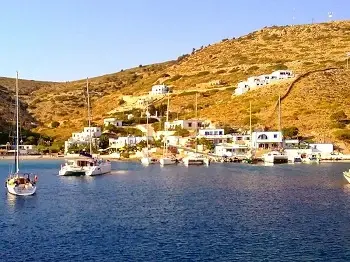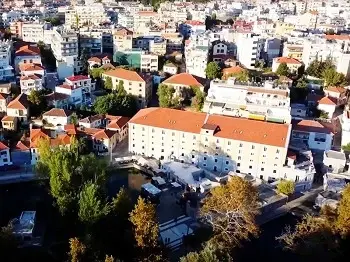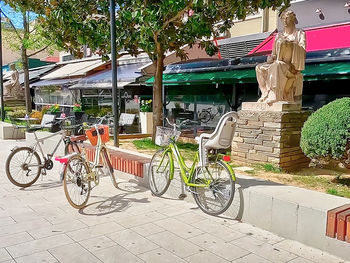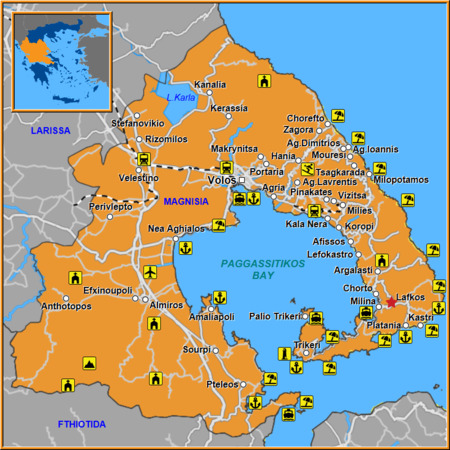
Lafkos Village sits at the heart of Magnisia, a region famed for its rugged coastline, crystal‑clear waters, and untouched landscapes. Whether you’re a seasoned trekker or a leisurely wanderer, this guide will help you navigate the best routes, discover secret spots, and experience the authentic charm of the area.
We suggest for your stay:
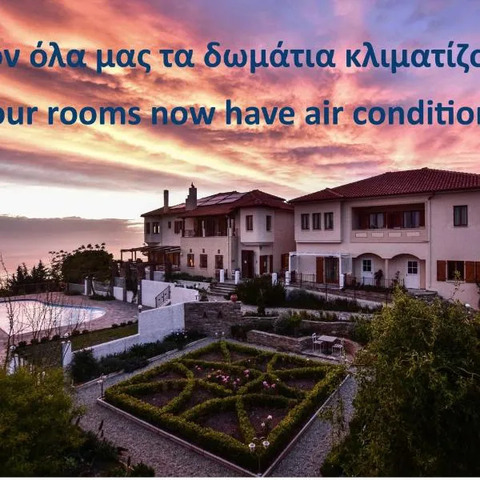
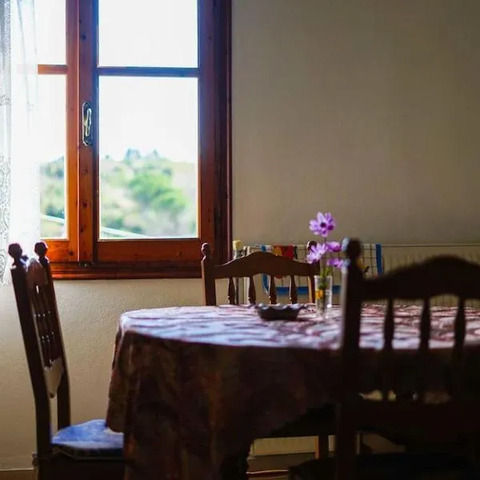
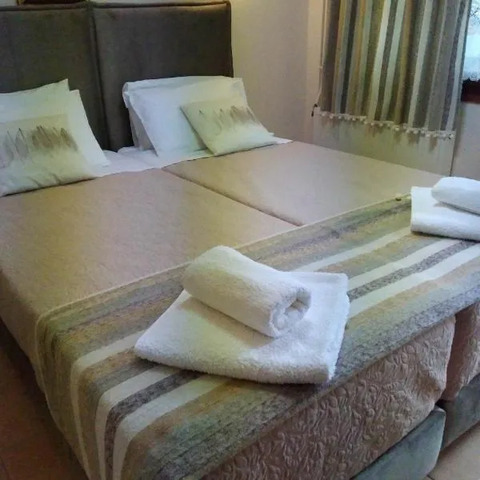
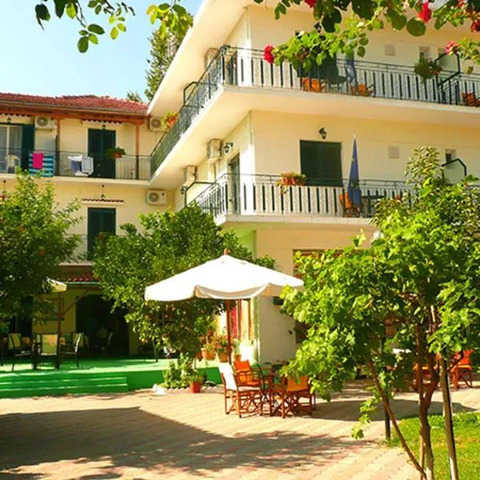
Still Looking for the Perfect Stay?

Why Lafkos Matters
Lafkos is more than just a dot on a map; it’s a gateway to some of Greece’s most secluded beaches and ancient ruins. The village itself offers traditional tavernas, stone‑paved streets, and panoramic views that make every step worth it.
Planning Your Route
Start at the Lafkos Visitor Center – Grab a local map, ask for hiking permits, and get insider tips on weather conditions.
Follow the Coastal Trail (GR 8) – This path hugs the shoreline, offering uninterrupted vistas of the Aegean Sea. It’s perfect for a sunrise walk.
Take the Mountain Loop – For those craving adventure, the loop takes you through terraced olive groves and ancient watchtowers.

Nearby Villages Worth Exploring
Lafkos is surrounded by several charming villages that are easy to reach via short drives or scenic hikes. These places share a similar heritage and offer unique experiences:
Milina Village – Known for its traditional stone houses and the annual olive harvest festival.
Chorto Village – A quiet spot with lush pine forests and hidden waterfalls.
Platania Village – Famous for its centuries‑old plane trees that line the main square.
Argalasti Village – Offers a blend of historic architecture and modern beach bars.
Kastri Small Village – Home to an ancient fortress overlooking the sea, ideal for sunset photography.
Lefokastro Small Village – Features a pristine cove perfect for snorkeling.
Afissos Village – Known for its local craft shops selling handmade ceramics.
Agia Eleni Small Village – A peaceful retreat with a beautiful church and traditional music nights.
Must‑See Attractions in Lafkos
Lafkos Castle Ruins – Explore the remnants of a Byzantine fortress that once guarded the coastline.
The Lighthouse of Lafkos – Offers 360° views; climb to the top for a breathtaking sunset.
Local Market on Saturdays – Sample fresh cheeses, olives, and homemade pastries.
Traditional Music Evenings – Join locals in tavernas that host live folk music.
Practical Tips for Travelers
Best Time to Visit: Late spring (May–June) or early autumn (September–October) when the weather is mild and crowds are thin.
Transportation: Rent a scooter or use local buses; the nearest major town, Kavala, has an international airport.
Accommodation: Opt for guesthouses in Lafkos or nearby villages for an authentic stay. Many offer free breakfast with homemade yogurt and honey.
Safety: Keep hydrated, wear sturdy shoes for uneven paths, and always carry a small first‑aid kit.
Sustainable Travel Practices
Respect the environment by:
Sticking to marked trails to protect fragile vegetation.
Packing out all trash – leave no trace of your visit.
Supporting local businesses – buy from artisans and eat at family‑run tavernas.
Final Thoughts
Lafkos is a microcosm of Magnisia’s natural beauty and cultural depth. By following this map guide, you’ll uncover hidden gems, meet friendly locals, and create memories that last a lifetime. Pack your curiosity, bring an open mind, and let the roads of Lafkos lead you to unforgettable adventures.
Suggested Readings
The Hidden Coastlines of Greece – A photographic journey.
Traditional Greek Cuisine: From Village Kitchens to Gourmet Plates – Explore local flavors.