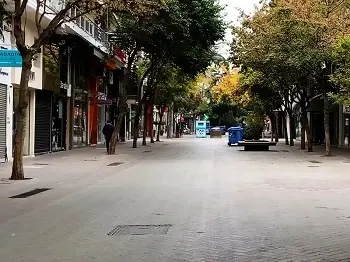
Komotini City in 2026 offers a vibrant blend of traditional markets, modern shopping streets, and artisanal local products that reflect its rich cultural heritage. Whether you're searching for handmade crafts, fresh produce, or sweet treats, the city's shopping districts provide something for every traveler.
We suggest for your stay:
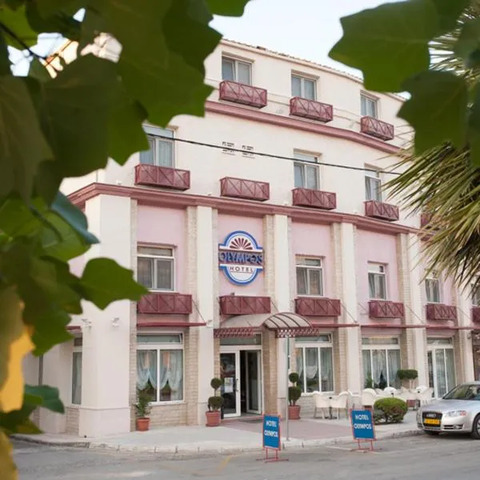


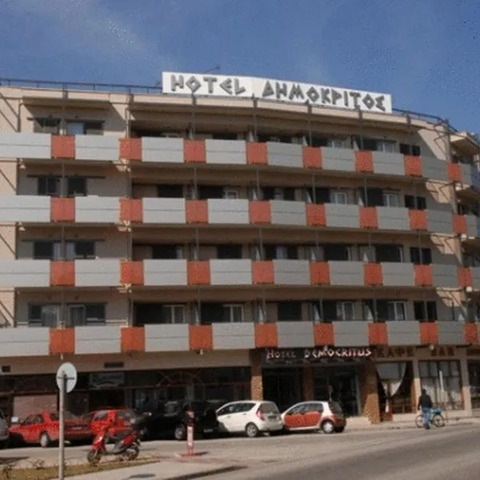
Still Looking for the Perfect Stay?

The Heart of Komotini: Central Bazaar
At the center of Komotini's retail landscape is the Central Bazaar, a historic market that has been a hub of trade for centuries. This sprawling complex is a maze of narrow alleys lined with stalls selling everything from spices and textiles to antiques and souvenirs. The bazaar's multicultural influence is evident in its offerings—Turkish ceramics, Greek olive oil, Bulgarian woven baskets, and more. Vendors often speak multiple languages, making it easy to haggle for a better price or learn about the origins of your purchase.
What to Find Here:
Handcrafted jewelry and pottery
Fresh fruits, vegetables, and local cheeses
Vintage clothing and leather goods
Traditional Greek and Balkan spices
Visiting early in the morning ensures you'll avoid crowds and enjoy the freshest produce. The bazaar also hosts seasonal festivals where artisans showcase their work, adding to its lively atmosphere.

Orfeos Street: Modern Retail with a Local Flavor
For a more contemporary shopping experience, head to Orfeos Street, Komotini's premier pedestrian shopping avenue. Lined with boutiques, cafes, and international chain stores, this street blends modern convenience with local charm. Stores here often feature products from regional designers or collaborate with nearby artisans, ensuring unique finds that reflect the city's identity.
Highlights of Orfeos Street:
Trendy clothing shops offering Greek-made fashion
Specialty stores for books, music, and art supplies
Cafés serving locally roasted coffee and pastries
Pop-up markets featuring seasonal crafts and food vendors
The street is pedestrian-only, making it a pleasant place to stroll. Look out for street performers and open-air exhibitions that occasionally take over the sidewalks, adding to the area's dynamic energy.

Sweet Indulgences: Local Shops for Regional Delights
No visit to Komotini would be complete without sampling its famous local sweet shops. These small, family-run businesses specialize in traditional Greek desserts, many of which have been passed down through generations. From honey-soaked pastries like koufeta to nougat-like mastichato, the flavors are as diverse as the city's cultural influences.
Must-Try Treats:
Baklava with pistachios or walnuts
Loureki (a sesame seed candy)
Tiramesu made with local coffee and cream
Regional jams and honey from nearby orchards
These shops often double as cultural landmarks, with owners happy to share stories about their recipes or the history of their craft. Some even offer workshops where visitors can learn how to make traditional sweets.

Tips for Smart Shopping in Komotini
Bargain Wisely: In markets like the Central Bazaar, haggling is expected but keep it friendly and respectful. Start with a 20-30% discount and negotiate from there.
Check Quality: When buying food products or textiles, inspect for freshness and craftsmanship before purchasing.
Support Local Artisans: Opt for small shops over large chains to support the city's creative economy and take home truly unique items.
Bring Cash: While many stores accept cards, smaller vendors and market stalls may only handle cash.
The Cultural Tapestry of Komotini's Markets
What makes Komotini's shopping scene special is its ability to weave together influences from Greece, Turkey, and the Balkans. This multiculturalism isn't just visible in the products—it's felt in the interactions with vendors, the aromas wafting through the streets, and the music playing in background cafes.
Whether you're a seasoned traveler or visiting for the first time, exploring Komotini's markets and shopping areas is an essential part of understanding its character. The city doesn't just sell goods; it offers experiences that connect visitors with its history and people.

Frequently Asked Questions
What are the best times to visit Komotini's markets?\nEarly mornings (before 9 AM) are ideal for avoiding crowds and getting fresh produce at lower prices in the Central Bazaar. Weekends see more foot traffic, especially on Orfeos Street.

Are there any cultural etiquette tips for shopping here?\nAlways greet vendors with a smile and use polite language like keras (thank you) or sas eulogizo (you're welcome). Haggling is common but should be done respectfully.
What local products make the best souvenirs?\nHandwoven textiles, olive oil from local producers, and sweet treats like mastichato are popular choices. Avoid generic items to ensure authenticity.