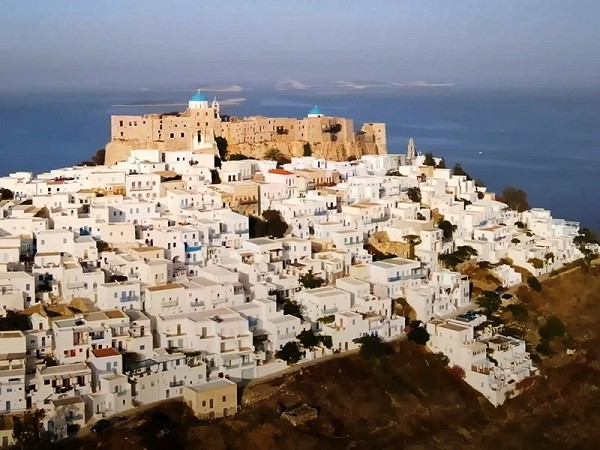
Astypalea Island may be small, but its shopping scene offers a charming blend of tradition and simplicity. Unlike bustling mainland markets, here you'll find curated selections of handmade crafts, local delicacies, and souvenirs that reflect the island's Greek heritage. Whether you're exploring the narrow streets of Chora or browsing coastal shops, Astypalea delivers an authentic retail experience.
We suggest for your stay:
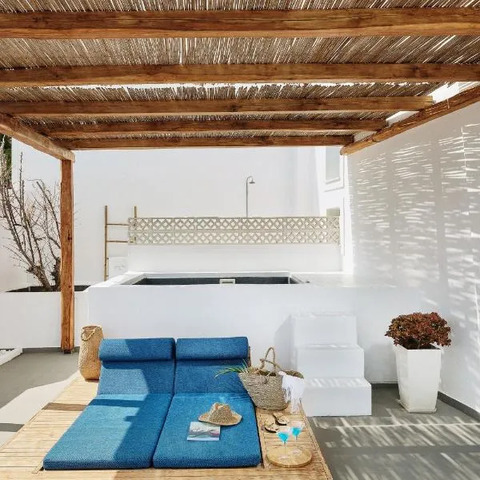
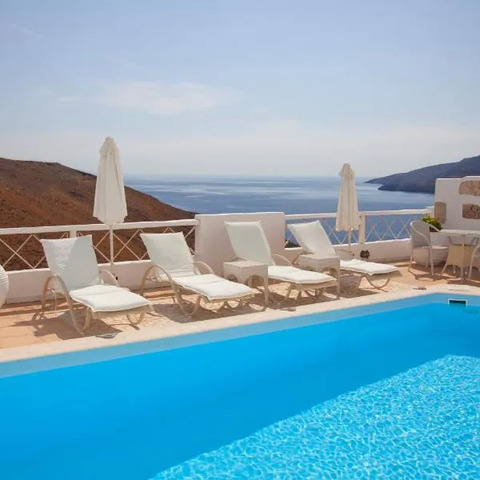
Still Looking for the Perfect Stay?

Astypalea Chora Shops – Local Finds
The heart of the island's shopping lies in Chora, where family-run stores showcase handcrafted goods and regional specialties. Look for woolen textiles dyed with natural pigments, pottery adorned with traditional motifs, and olive oil pressed from local groves. These shops often operate on a small scale, offering personalized service and rare items you won't find elsewhere.
What to Expect:
Handwoven rugs and baskets
Olive oil and wine tasting samples
Local honey and herbal remedies
Vintage jewelry and ceramics

Pera Gialos Souvenir Shops – Coastal Treasures
A short walk from Chora, Pera Gialos is a popular spot for travelers seeking light souvenirs. Here, shops sell postcards, keychains, and small trinkets—perfect for casual buyers. While the selection leans toward mass-produced items, some vendors offer unique finds like hand-painted ceramics or locally sourced spices.
Tips for Shopping:
Bargain politely; prices are often flexible.
Ask about seasonal products, such as summer-dried figs or winter-harvested honey.
Support local artisans by purchasing directly from workshops.

What to Buy: Local Crafts & Foods
Astypalea's shopping experience is defined by its focus on local crafts and food. Here are a few must-buy items:
Handmade soaps and lotions: Infused with Mediterranean herbs like rosemary or lavender.
Traditional Greek wines: Look for varieties like Assyrtiko, produced from island vineyards.
Dried fruits and nuts: Often sold in bulk by local farmers.
Ceramic tableware: Lightweight and decorated with regional patterns.
For food lovers, the island's markets (though small) feature fresh produce, cheese, and seafood. Visit during early mornings for the best selection.
Shopping Tips for Visitors
Shopping in Astypalea is a relaxed affair, but a few tips can enhance your experience:
Cash is king: While some shops accept cards, carrying euros ensures smoother transactions.
Visit mid-week: Crowds are lighter, and vendors may offer better prices.
Bring reusable bags: Many stores discourage plastic use, so eco-friendly options are appreciated.
The Role of Local Markets
Though Astypalea lacks large malls, its local markets are worth seeking out. These small gatherings—often held near the port or in Chora's square—feature farmers selling seasonal produce, fishermen offering freshly caught seafood, and artisans displaying their work. They're a great way to connect with residents and discover hidden gems.
Why Shop in Astypalea?
Beyond the products, shopping here is about experiencing the island's culture. Each purchase supports local families and preserves traditional crafts at risk of fading. Whether you leave with a hand-carved figurine or a jar of olive oil, your visit contributes to Astypalea's economy.

FAQ: Shopping in Astypalea Island
What are the best souvenirs from Astypalea?
Handmade ceramics, woolen textiles, and local olive oil are top choices. Avoid generic trinkets by visiting family-run shops in Chora.
Are there any large malls on the island?
No, Astypalea's shopping is centered around small stores and markets. The focus is on quality over quantity.
Can I find vegetarian or vegan products here?
Yes, local markets offer fresh vegetables, legumes, and plant-based cheeses. Some shops also sell packaged vegan snacks.
How do prices compare to other Greek islands?
Prices are generally lower than in places like Santorini or Mykonos, especially for food and handmade goods.
Is bargaining common in Astypalea shops?
It's not expected, but friendly negotiation over bulk purchases is sometimes possible. Always start with a polite smile.
What should I avoid buying?
Mass-produced souvenirs like cheap keychains or generic postcards. Opt for items that reflect the island's unique character instead.