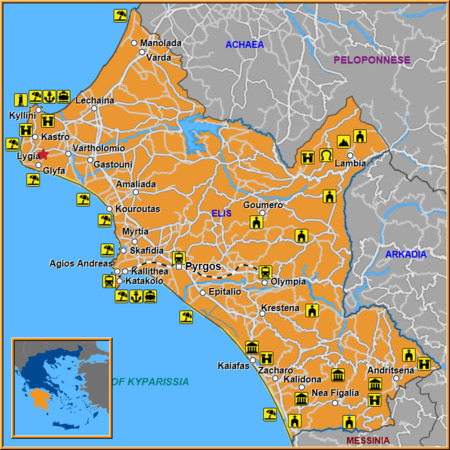
Lygia Village, tucked in the heart of Elis, offers travelers a blend of rustic charm and untouched landscapes. This guide walks you through its best spots, local customs, and nearby towns that enrich your journey.
We suggest for your stay:
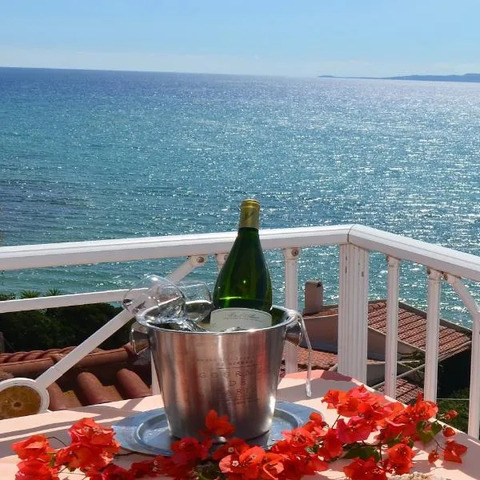

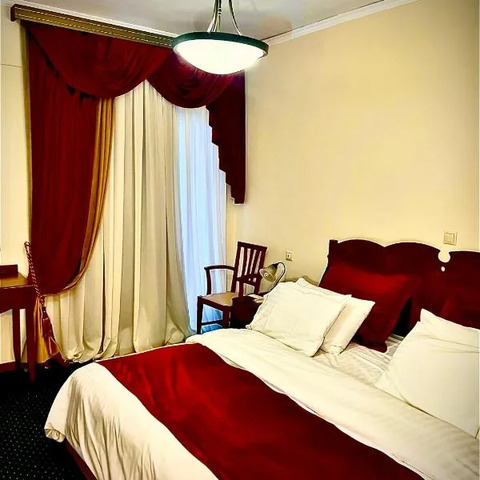

Still Looking for the Perfect Stay?

Why Lygia Stands Out
Authentic Greek village life: cobblestone lanes, stone houses, and friendly locals.
Scenic vistas: panoramic views of the surrounding hills and distant coastline.
Cultural heritage: ancient ruins, traditional crafts, and seasonal festivals.
Must‑See Attractions in Lygia
The Old Church of Saint George – a 19th‑century stone church with hand‑painted icons.
Lygia Olive Grove Trail – a leisurely walk through terraced olive trees, perfect for sunset photography.
Local Market Square – open every Saturday; sample fresh cheeses, honey, and homemade pastries.
Traditional Handicraft Workshop – learn to weave or paint local motifs from seasoned artisans.

Exploring the Surrounding Villages
Lygia’s proximity to several picturesque villages makes it an ideal base for a regional adventure. Here are some nearby gems worth visiting:
Glyfa Village: Known for its serene beaches and wind‑surfing spots.
Kastro Village: A hilltop settlement offering breathtaking sunsets over the Ionian Sea.
Vartholomio Town: Famous for its historic castle ruins and vibrant nightlife.
Kyllini Village: Home to a charming harbor and traditional fishing boats.
Gastouni Town: Features ancient Roman mosaics and a lively market.
Lechaina Town: Renowned for its lush vineyards and wine‑tasting tours.
Kouroutas Village: A quiet spot ideal for hiking and bird watching.
Amaliada Town: Offers modern amenities, shopping centers, and cultural events.
Practical Tips for Travelers
Best Time to Visit: Late spring (May–June) or early autumn (September) for mild weather and fewer crowds.
Getting Around: Rent a scooter or car; local buses connect Lygia with nearby towns but schedules can be sparse.
Accommodation: Stay in family‑run guesthouses to experience authentic hospitality.
Cuisine: Don’t miss the Lygian moussaka and fresh seafood from the coastal villages.
Cultural Etiquette
Respect local customs by dressing modestly when visiting churches, greeting elders with a polite nod, and always asking permission before photographing people or private properties.
Final Thoughts
Whether you’re chasing the quiet beauty of Lygia itself or exploring its neighboring villages, this region offers an unforgettable blend of history, nature, and warm Greek hospitality. Pack your curiosity, and let the map guide you to hidden treasures beyond the ordinary.


