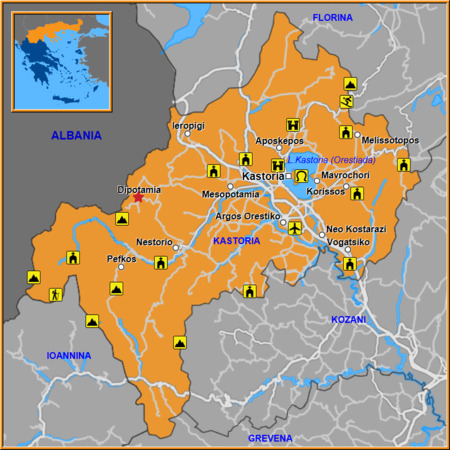
Dipotamia Village sits at the crossroads of history and nature in northern Greece’s picturesque region of Kastoria. With its winding cobblestone streets, stone‑walled houses, and the serene flow of the Mourgkani River, it offers a living museum for travelers who love to trace the footsteps of ancient civilizations.
We suggest for your stay:
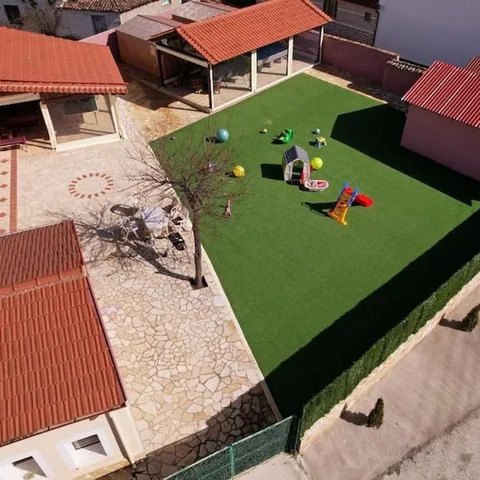


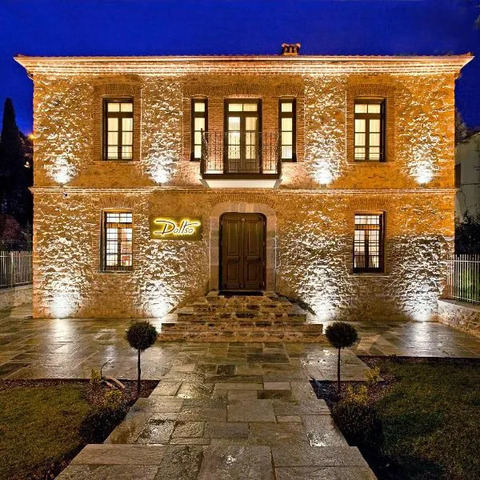
Still Looking for the Perfect Stay?

Why Dipotamia Matters
Strategic Location: Historically, Dipotamia was a vital trade post between the Byzantine Empire and the Ottoman territories. Its name—meaning “two rivers” in Greek—refers to the confluence that powered local mills and agriculture.
Architectural Gems: The village’s 18th‑century stone churches, such as Agios Nikolaos, showcase intricate frescoes that blend Orthodox iconography with subtle Venetian influences.
Cultural Continuity: Traditional crafts—hand‑woven textiles, woodcarving, and pottery—are still practiced by local artisans who hold workshops for curious visitors.
Mapping the Journey
Start at Dipotamia’s Main Square – The central hub where a small market stalls with fresh cheeses, honey, and homemade pastries.
Follow the River Pathway – A well‑marked trail leads to the old mill ruins, offering panoramic views of the surrounding valleys.
Visit Agios Nikolaos Church – Inside, the frescoes narrate biblical stories intertwined with local legends.
Explore the Village Museum – Housed in a restored stone house, it displays artifacts from the Byzantine era and Ottoman period.
End at Sunset Point – Overlooking the Mourgkani River, this spot is perfect for reflecting on the day’s discoveries.

Nearby Gems Worth a Detour
Dipotamia’s proximity to several charming settlements makes it an ideal base for a broader exploration of Kastoria’s cultural landscape. A short drive or bike ride will bring you to:
Nestorio Village – Known for its traditional stone architecture and the annual Feta Festival.
Pefkos Small Village – Nestled in pine forests, offering hiking trails that reveal ancient rock carvings.
Ieropigi Village – Famous for its pristine springs and a historic monastery dating back to the 13th century.
Mesopotamia Town – A bustling market town where you can taste local olives and learn about regional wine production.
Argos Orestiko Town – Home to an impressive Byzantine fortress that overlooks the surrounding plains.
Damaskinia Village – Renowned for its handcrafted lacework, a craft passed down through generations.
Aposkepos Village – A quiet spot where traditional music festivals are held during summer evenings.
Kastoria City – The capital of the region, featuring the iconic Lake Orestiada, historic museums, and vibrant cafés.
Each destination offers a unique slice of history, making the entire area a living tapestry of stories waiting to be uncovered.
Practical Tips for Travelers
Best Time to Visit: Late spring (May–June) or early autumn (September) provide mild weather and fewer crowds.
Getting Around: Renting a bicycle is highly recommended; many villages have dedicated bike lanes. For longer distances, local buses connect Dipotamia with nearby towns.
Accommodation: Guesthouses in Dipotamia offer homely rooms with traditional décor, while nearby villages provide rustic farm stays for an authentic experience.
Culinary Highlights: Don’t miss the Kastorian cheese paired with locally brewed wine; a staple of the region’s gastronomy.
Final Thoughts
Whether you’re a history buff, a nature lover, or simply seeking a quiet escape, Dipotamia and its surrounding villages offer an immersive journey through time. By following this map exploration guide, you’ll uncover hidden treasures, taste local flavors, and walk in the footsteps of those who once shaped this remarkable corner of Greece.
Ready to Explore?
Pack your curiosity, grab a map, and let Dipotamia’s historical tapestry unfold before you. Each step brings new stories, each village a chapter—your adventure awaits!


