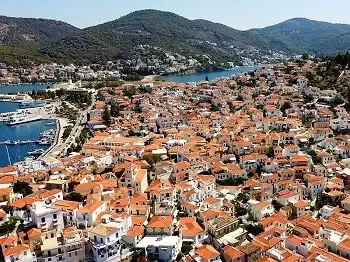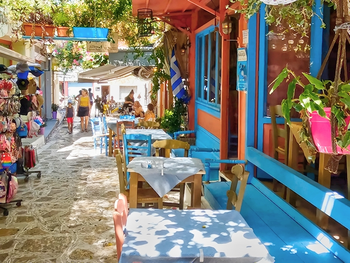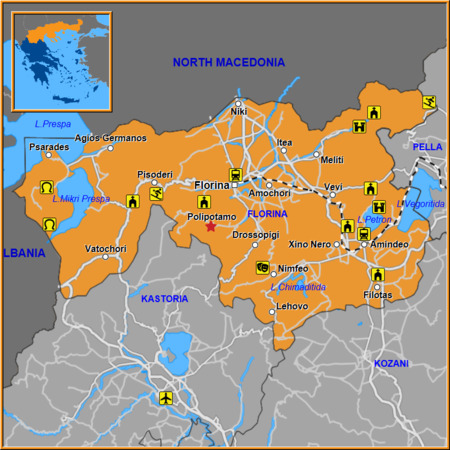
Polipotamo Village sits tucked away in the rolling hills of northern Greece, offering a serene escape from the bustle of city life. Its winding paths, ancient stone houses, and crystal‑clear streams make it a perfect destination for travelers seeking authentic experiences.
We suggest for your stay:
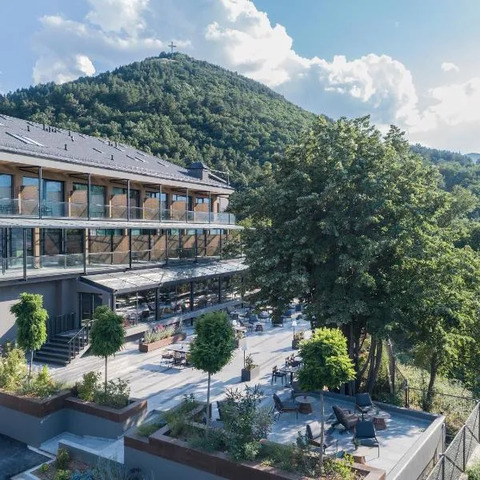



Still Looking for the Perfect Stay?

Why Polipotamo Matters
Rich History: The village dates back to the Ottoman era, with well‑preserved architecture that tells stories of centuries past.
Natural Beauty: Surrounded by lush forests and alpine meadows, Polipotamo is a haven for hikers, photographers, and nature lovers.
Cultural Warmth: Locals are known for their hospitality, sharing traditional music, dance, and homemade delicacies.
Planning Your Visit
Getting There
By Car: From Florina City, take the Egnatia Highway south to the village of Drossopigi, then follow local roads westward.
Public Transport: Buses run twice daily from Florina to Polipotamo; check schedules in advance.
When to Go
Late spring (May–June) and early autumn (September) offer mild weather and fewer crowds.
What to Pack
Comfortable hiking shoes, a light jacket for cool evenings, and a reusable water bottle.

Must‑See Spots in Polipotamo
The Old Stone Bridge: A 19th‑century crossing over the crystal river that runs through the village.
Agios Nikolaos Chapel: Nestled on a hilltop, this chapel provides panoramic views of the surrounding valleys.
Local Artisan Market: Every Saturday morning, craftsmen sell woven textiles, honey, and homemade cheeses.
Nearby Villages Worth Exploring
Polipotamo’s charm is amplified by its proximity to several other picturesque villages. A short drive will take you to:
Drossopigi Village – Known for its traditional stone houses and vibrant folklore festivals.
Florina City – The regional hub, offering museums, restaurants, and a bustling market scene.
Amochori Village – Famous for its ancient olive groves and scenic hiking trails.
Pisoderi Village – Home to a historic monastery and breathtaking mountain vistas.
Nimfeo Village – A quiet spot with lush pine forests and traditional wooden architecture.
Melissotopos Village – Renowned for its honey production and charming guesthouses.
Lehovo Village – Offers cultural events, local crafts, and a peaceful riverbank setting.
These neighboring villages provide a broader context to Polipotamo’s heritage and natural allure, making a multi‑day itinerary both enriching and memorable.
Activities for the Adventurous Traveler
Hiking Trails: Explore routes that weave through pine forests, past waterfalls, and over ancient stone bridges.
Cultural Workshops: Join local artisans in pottery or weaving classes to learn traditional techniques.
Wildlife Watching: Spot endemic bird species and small mammals in the surrounding nature reserves.

Where to Stay
Polipotamo offers a range of accommodations:
Guesthouses: Cozy, family‑run homes with homemade breakfasts.
Boutique Hotels: Small hotels featuring local décor and panoramic views.
Camping Sites: Designated areas for tents, perfect for night sky stargazing.
Final Tips
Respect Local Customs: Dress modestly when visiting churches or monasteries.
Support the Community: Buy souvenirs directly from artisans to help sustain local economies.
Stay Connected: While cell coverage is limited in remote areas, Wi‑Fi is available at most guesthouses and hotels.
Polipotamo invites you to step off the beaten path, immerse yourself in authentic Greek village life, and uncover hidden treasures that await around every stone corner. Whether you’re a seasoned traveler or a curious explorer, this enchanting map of Polipotamo promises unforgettable adventures and lasting memories.