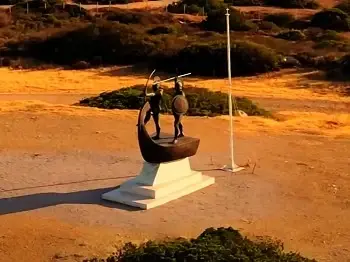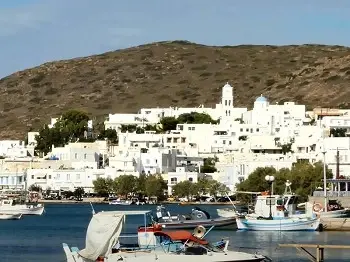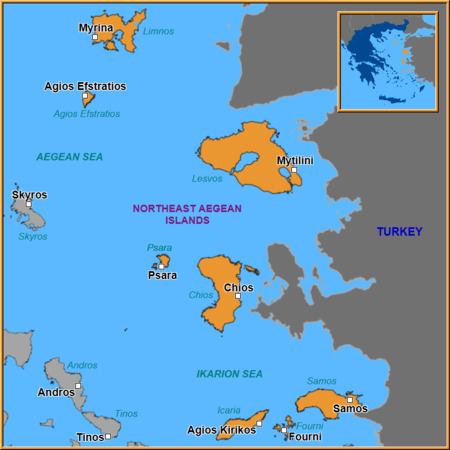
The NorthEast Aegean is a mosaic of crystal‑clear waters, rugged coastlines, and centuries‑old villages that often escape the usual tourist radar. Whether you’re a history buff, a nature lover, or simply looking for a quiet getaway, this map‑based guide will help you navigate the hidden gems of islands like Samos, Ikaria, Chalki, and Patmos.
We suggest for your stay:
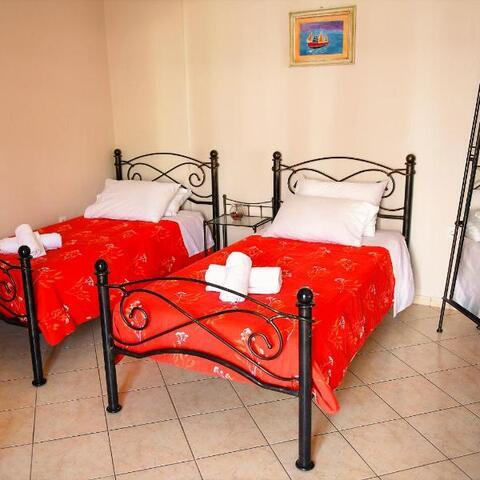
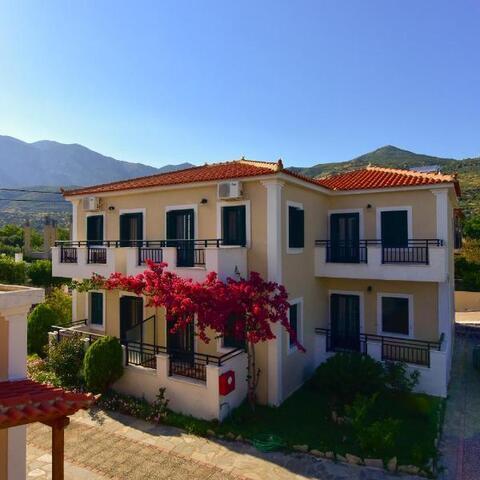
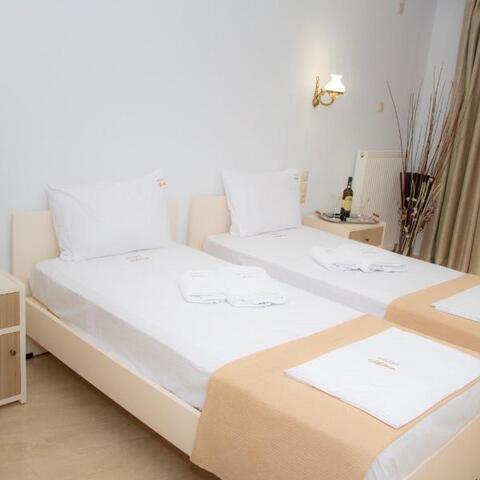

Still Looking for the Perfect Stay?

Why Map‑First Planning Matters
Hidden coves: Many secluded bays are only visible on detailed topographic maps.
Historical trails: Ancient routes between villages can be traced on old cartography, revealing stories of Byzantine monks and Ottoman traders.
Safety: Knowing the exact location of lifeguard stations, harbors, and emergency services is crucial for a worry‑free trip.
Key Islands to Explore
Samos – The largest island in the group, famed for its lush olive groves and the birthplace of Pythagoras. Use the map to locate the Monastery of Saint Panteleimon perched on a cliff overlooking the sea.
Ikaria – Known for its longevity culture, Ikaria’s rugged terrain hides hot springs like Agia Marina that are best found via satellite imagery.
Chalki (Kastellorizo) – A tiny island with a Venetian fortress; the map shows the narrow alleyways leading to the old harbor where fishermen sell fresh octopus daily.
Patmos – The spiritual heart of the region, home to the Monastery of Saint John the Theologian. Map coordinates help you avoid crowds during the annual pilgrimage.

Big Towns & Charming Villages
While the islands are famed for their secluded spots, a few larger settlements offer essential services and cultural highlights:
Vathy (Samos) – The island’s capital, bustling with tavernas, markets, and a historic port that connects to mainland Greece.
Agia Marina (Ikaria) – A seaside village where you can catch the sunset over the Mare of Sargasso.
Chalki Town – The only town on Chalki, featuring narrow streets lined with whitewashed houses and a small museum dedicated to its maritime history.
Patmos Old Town – A UNESCO World Heritage site where cobblestone lanes lead to ancient churches and the Museum of Patmos.
Practical Tips for Using the Map
Download offline maps: Before you head out, save a high‑resolution PDF or use a GPS app that works without internet.
Mark points of interest: Highlight caves, beaches, and hiking trails so you can easily navigate back to your starting point.
Check tide charts: Many hidden coves are only accessible during low tide; the map often indicates tidal patterns.
Plan for daylight: Some remote villages have limited lighting—use a headlamp when exploring at night.
Sustainable Travel in the NorthEast Aegean
Respect local customs: Dress modestly when visiting monasteries and avoid littering on pristine beaches.
Support local businesses: Buy fresh produce from village markets; it’s both economical and eco‑friendly.
Use public transport: Ferries between islands reduce carbon emissions compared to private boats.
Final Thoughts
The NorthEast Aegean is a treasure trove waiting for the curious traveler. By leveraging detailed maps, you’ll uncover hidden coves, ancient monasteries, and vibrant villages that tell the story of Greece’s rich maritime heritage. Pack your curiosity, download the map, and set off on an unforgettable journey through one of Europe’s most enchanting archipelagos.