Kalymnos Island, a jewel of the Dodecanese, offers more than pristine beaches and rugged coastlines. Its calendar of festivals and events in 2026 reflects centuries-old traditions rooted in maritime heritage and religious devotion. From vibrant celebrations of the sponge trade to solemn religious observances, these gatherings provide insight into the island's soul.
We suggest for your stay:
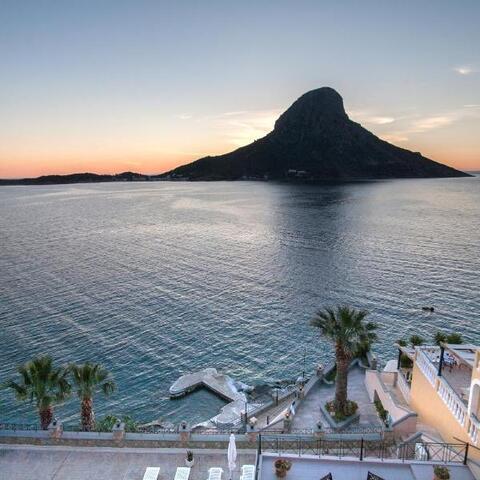
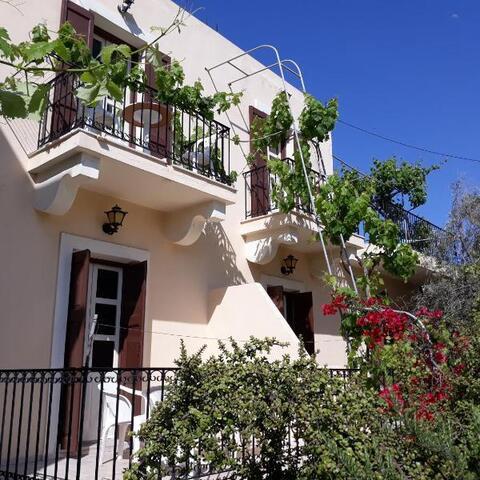
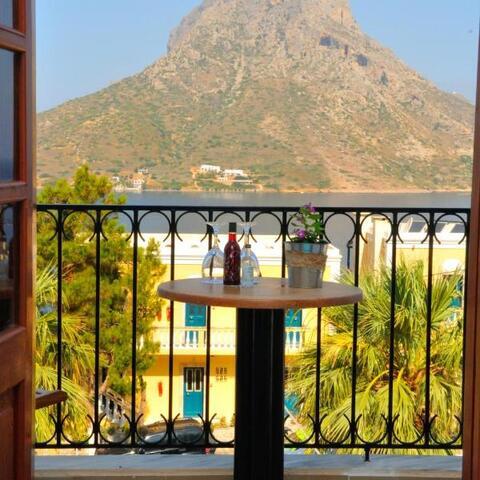
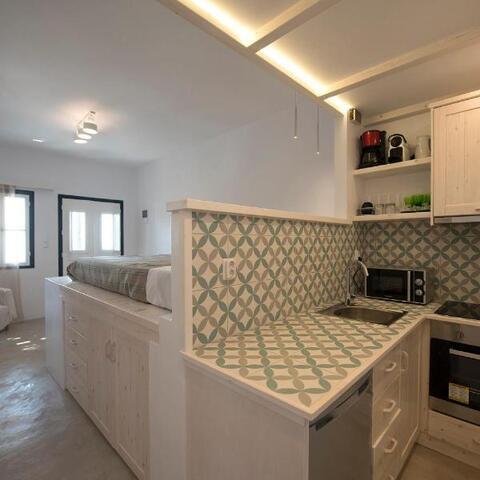
Still Looking for the Perfect Stay?

The Kalymnos Sponge Festival: Honoring a Maritime Legacy
Held annually in late May or early June, the Kalymnos Sponge Festival celebrates the island's historical role as a global hub for sponge diving. This event is more than a celebration—it's a tribute to generations of divers who braved the Aegean Sea to harvest sponges, a practice that shaped Kalymnos' economy and identity.
The festival features traditional music and dance performances, local cuisine tastings, and exhibitions showcasing historical artifacts related to sponge diving. Visitors can witness demonstrations of ancient diving techniques or join guided tours of historic sponge drying facilities. The highlight is the Sponge Divers' Parade, where locals dress in period costumes and reenact the rituals that once accompanied dives.
Agios Savvas Feast: A Spiritual Celebration
In contrast to the lively Sponge Festival, the Agios Savvas Feast offers a more contemplative atmosphere. Held on June 1st, this religious event honors Saint Savvas, whose legend ties to Kalymnos' history. According to tradition, the island's first Christian settlers were guided by his intercession during a perilous journey.
The feast begins with a solemn church service at the Monastery of St. Savvas, followed by communal meals featuring kleftiko (slow-roasted lamb) and local wines. The day culminates in a procession through the village, where residents carry icons and candles to bless their homes. It's a time for reflection, family gatherings, and reconnecting with Kalymnos' spiritual roots.

Other Notable Events in 2026
While the Sponge Festival and Agios Savvas Feast dominate the calendar, other events offer unique experiences:
Kalymnos Open Water Swim (July): A challenging swim around the island's coastline, attracting athletes and marine enthusiasts.
Traditional Craft Fair (September): Local artisans display handmade goods like pottery, jewelry, and sponge products.
Dodecanese Cultural Week (October): A month-long series of music, dance, and art events across the region, with Kalymnos hosting several performances.
Planning Your Visit to Kalymnos in 2026
To fully experience these festivals, plan your trip around their dates. Accommodations fill quickly during peak times, so booking early is advisable. For the Sponge Festival, stay in Pano Kalymnos for proximity to main events. During the Agios Savvas Feast, smaller villages like Chorio offer a more intimate setting.
Pro tip: Sample local specialties like koupepia (sweet pastries) and tsikoudia (grape brandy) during festival markets—these treats are often sold at discounted prices to visitors.
Frequently Asked Questions About Kalymnos Festivals
What is the best time to visit Kalymnos for festivals?
Kalymnos' peak festival season runs from late May through October, with the Sponge Festival and Agios Savvas Feast being highlights. Summer months offer warm weather but larger crowds.
Are these festivals family-friendly?
Yes—most events welcome children, though some religious ceremonies may have dress codes or time restrictions. Families often enjoy the communal meals and craft fairs.
How can I participate in traditional activities?
Many festivals offer workshops on sponge diving history, pottery-making, and folk dancing. Check with local hotels or visitor centers for schedules.
What should I wear to these events?
Dress modestly during religious ceremonies (e.g., covered shoulders and knees). For outdoor festivities, comfortable shoes are essential—many events take place in historic villages with cobblestone streets.
Are there accommodations near festival sites?
Yes. Pano Kalymnos and Chorio have hotels, guesthouses, and villas that cater to tourists. Book at least three months in advance for the busiest periods.
Can I attend without speaking Greek?
Absolutely. Most vendors, guides, and event organizers speak basic English, especially during peak tourist seasons.