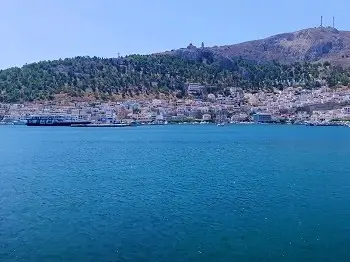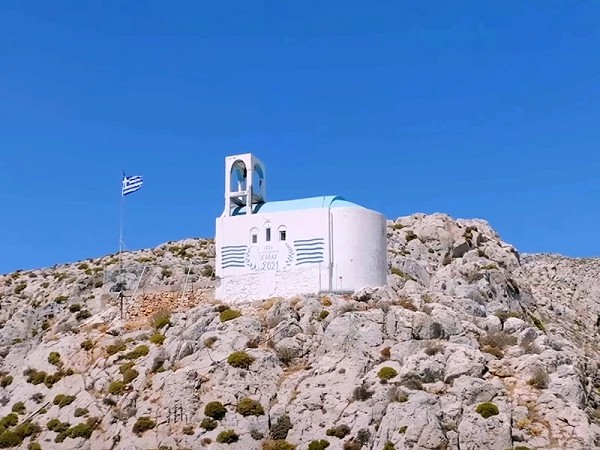
Kalymnos Island, a gem in the Dodecanese archipelago, offers an unmatched blend of rugged cliffs, crystal-clear waters, and a rich maritime history. Known as Greece's climbing capital, it draws adventurers with its vertical rock faces and limestone formations. Yet beyond the sport, the island's legacy as a sponge-diving hub adds cultural depth to any visit. With careful planning, travelers can enjoy this unique destination without breaking the bank.
We suggest for your stay:
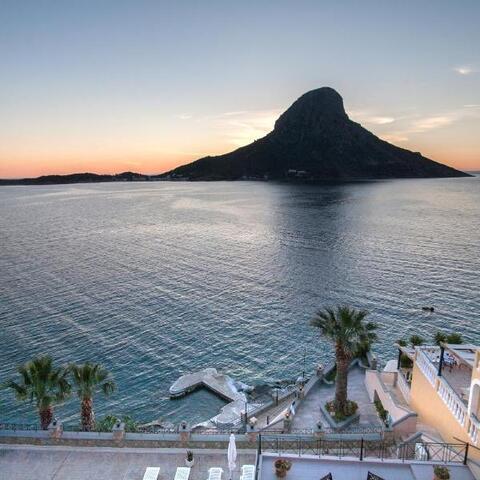
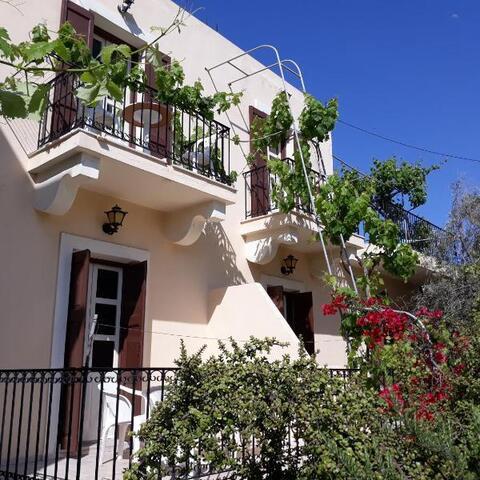
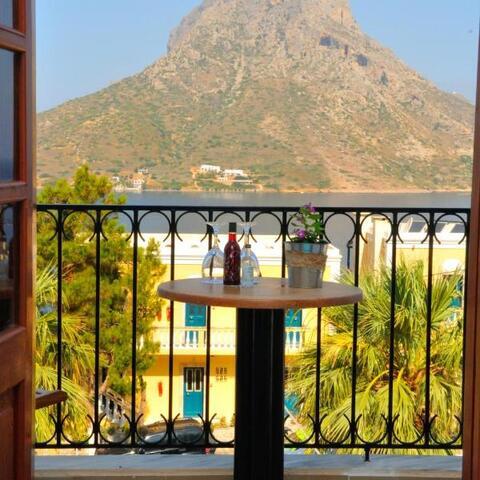
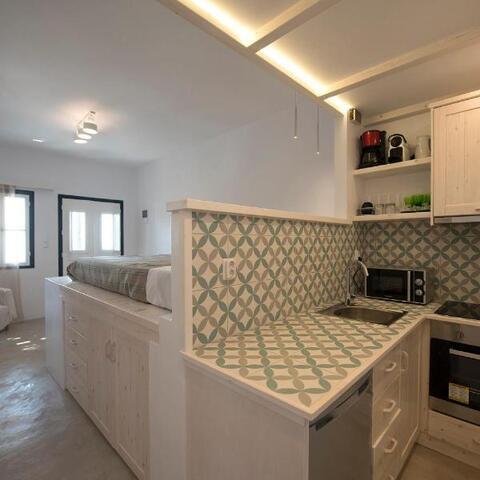
Still Looking for the Perfect Stay?

Accommodation Options for Budget Travelers
Kalymnos caters to budget-conscious visitors with a range of affordable stays. The capital, Pothia, is a practical base, offering everything from family-run guesthouses to minimalist rooms in shared apartments. For climbers, Massouri is ideal—its proximity to popular routes means staying in studios or small apartments near the action. Other options include:
Myrties: Budget-friendly rooms with sea views.
Kantouni: Beachfront apartments perfect for families or solo travelers.
Pothia budget hotels: Mid-range choices with free breakfast and local amenities.
Prices typically range from €30–€70 per night in high season, depending on the accommodation type and time of year. Booking mid-week or outside peak months can reduce costs by up to 40%.
Saving Tips for 2026 Travelers
Transportation: Renting a scooter (€15–€30/day) is cheaper than taxis and grants freedom to explore. Ferries from Kos or Patmos are budget-friendly, with round-trip tickets averaging €40–€70.
Meals: Local tavernas serve hearty Greek cuisine at €8–€15 per main dish. Avoid tourist traps in Pothia's central square and opt for family-run eateries instead.
Activities: Climbing gear rentals start at €10/day, while guided tours (€25–€40) offer safety and local insights. Sponge-diving museums and historical sites are often free or low-cost.
Hidden Gems Beyond the Cliffs
While climbing dominates Kalymnos' reputation, other experiences shouldn't be missed:
Sponge Diving Museum in Pothia: Learn about the island's 19th-century maritime economy through artifacts and exhibits.
Lefkata Beach: A serene spot for snorkeling with minimal crowds.
Vathy Village: Explore traditional stone houses and sample local honey, a regional specialty.
Packing Essentials for Kalymnos
A lightweight jacket is essential due to coastal breezes. Climbers should bring climbing shoes (rentals available) and sun protection. For sponge-diving enthusiasts, waterproof gear isn't necessary—most museums have indoor exhibits.
FAQ: Your Questions Answered
What's the best area to stay for budget travelers?
Myrties and Kantouni offer affordable rooms with sea views, while Pothia provides better access to restaurants and shops.
When is the cheapest time to visit Kalymnos?
April–May and September–October see lower prices and fewer crowds, though climbing conditions may vary.
Are there budget-friendly dining options?
Yes—tavernas in villages like Vathy or Lefkata serve fresh seafood at reasonable prices.
How difficult is climbing on Kalymnos?
Routes range from beginner to advanced. Local guides can recommend suitable climbs based on skill level.
Is public transport reliable for budget travelers?
Buses connect major towns, but scooters or walking are more flexible and cost-effective.
Are there safety concerns for solo travelers?
Kalymnos is generally safe, with a friendly local community. Avoid isolated areas after dark and keep valuables secure.
Final Thoughts
Kalymnos Island proves that adventure doesn't have to be expensive. By choosing the right accommodations, timing visits strategically, and embracing local culture, travelers can experience everything from vertical climbing to sponge-diving history without overspending. With its unique charm and affordability, Kalymnos remains a standout destination for budget-conscious explorers in 2026.