
Antiparos Island, a lesser-known gem in the Cyclades, offers travelers a chance to experience Greek island life away from crowded tourist routes. With its charming town, dramatic caves, and secluded beaches, it's an ideal base for short excursions. Here's how to make the most of three days exploring nearby highlights.
We suggest for your stay:

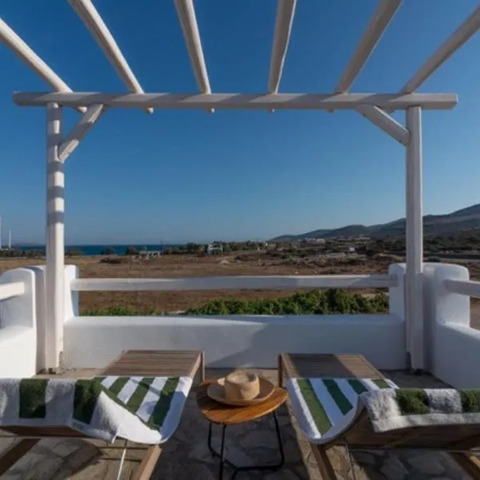
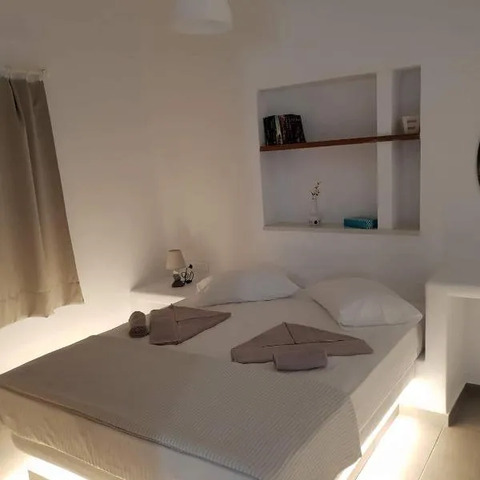
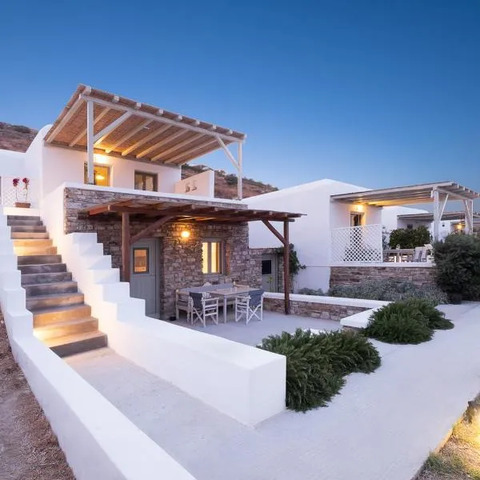
Still Looking for the Perfect Stay?

Day 1: Immersing in Antiparos Town
The heart of Antiparos is Χώρα Αντιπάρου, a picturesque village perched on a hillside. Stroll through its narrow, cobblestone streets lined with whitewashed houses and traditional Cycladic architecture. The central square, Platia, is surrounded by cafes serving local specialties like fava (a creamy lentil stew) and freshly baked koulouri. Don't miss the small chapel of St. George, offering panoramic views of the Aegean.
For a taste of island life, visit local tavernas for sunset drinks or dine on grilled octopus and seafood. The town's quiet vibe makes it perfect for leisurely mornings and evenings, with no need to rush between attractions.
Day 2: Caves, Beaches, and Natural Wonders
Antiparos is renowned for its dramatic landscapes, starting with the Σπήλαιο Αντιπάρου (Antiparos Cave). This limestone cavern features towering stalactites and a hidden underground lake. Guided tours are available, though they're limited to small groups due to the cave's delicate ecosystem. The journey involves climbing stairs and navigating narrow passages, so wear comfortable shoes.
After exploring the caves, head to Παραλία Σωρός (Soros Beach). This secluded cove is accessible via a short hike or boat ride from Antiparos Town. Its white sand and turquoise waters make it ideal for snorkeling or simply soaking in the sun. The beach's remote location means fewer crowds, though amenities are minimal—bring your own supplies.
Day 3: Boat Trips to Despotiko and Psaraliki Beach
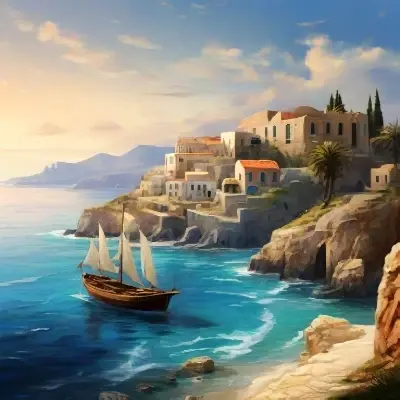
The final day should be dedicated to Δεσποτικό (Despotiko), a small islet just off Antiparos with ancient ruins dating back to the 5th century BCE. A boat trip here offers a glimpse into Greece's storied past, with archaeological sites like the temple of Apollo and a Roman-era necropolis. Most tours include a stop at the beach for swimming or snorkeling before returning.
For a more relaxed finale, visit Παραλία Ψαραλυκή (Psaraliki Beach). This family-friendly stretch of sand is backed by tavernas and sunbeds, making it easy to spend the day with a book or a cold drink. The shallow waters are great for children, and the nearby village offers a range of dining options.
Practical Tips for Travelers
Transportation: Renting a scooter or car is recommended for exploring beaches and caves independently.
Boat Trips: Book Despotiko tours in advance, as availability can be limited during peak season.
Seasonality: The best time to visit is between May and September, when weather is warm and ferry schedules are frequent.

Frequently Asked Questions
What's the best way to get around Antiparos Island?
A scooter or car rental allows flexibility for exploring beaches, caves, and nearby villages. Public transport options are limited.
Are there guided tours for the Antiparos Cave?
Yes, but they're infrequent and require advance booking. Check with local agencies or your accommodation for availability.
Can I swim at Soros Beach?
The beach is ideal for swimming, though the water can be chilly in early spring. Snorkeling gear is often provided by tour operators.
What should I bring to Despotiko?
Pack comfortable shoes for walking on uneven terrain and a waterproof bag for your belongings during the boat trip.
Are there family-friendly activities in Antiparos Town?
The town is small and safe, with playgrounds near the central square. Local tavernas often cater to children with kid-friendly menus.
Is Psaraliki Beach crowded?
It's busier than Soros but still quieter than major Cycladic islands like Paros or Naxos. Arrive early for the best spots.