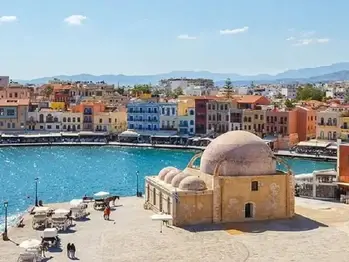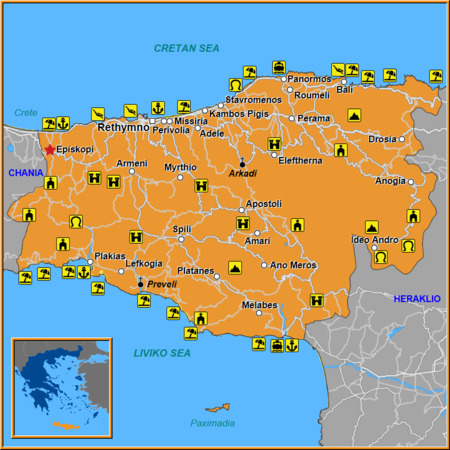
Episkopi, a quiet village tucked between the olive groves and rolling hills of Crete’s eastern coast, offers travelers an authentic slice of Cretan life. While it may not boast the bustling markets of Heraklion or the ancient ruins of Knossos, its charm lies in understated beauty, warm hospitality, and a map that guides you to secrets waiting just beyond the horizon.
We suggest for your stay:



Still Looking for the Perfect Stay?

Why Episkopi Matters
Authentic Atmosphere: Unlike the tourist‑heavy towns, Episkopi feels like stepping back in time. The stone houses, narrow lanes, and local tavernas create an immersive experience.
Strategic Location: Situated near several lesser‑known villages, it serves as a perfect base for exploring Rethymno’s countryside.
Cultural Richness: Traditional festivals, folk music, and age‑old recipes are still practiced here, offering genuine cultural encounters.
The Map of Episkopi – What Lies Around
Using the local map, you’ll find that the village is surrounded by a cluster of small communities, each with its own character:
Fylaki: A tiny hamlet known for its pristine olive oil production.
Dramia Village: Famous for its stone‑covered paths and ancient windmills.
Kournas Village: Offers panoramic views of the surrounding hills and a historic church.
Georgioupoli Village: Home to traditional Cretan architecture and local craft markets.
Alikampos Village: Renowned for its lush vineyards and family‑run wineries.
Armeni Village: A quiet spot where you can taste homemade cheese and honey.
Kefalas Village: Known for its vibrant summer festivals and fresh seafood taverns.
These villages are all within a short drive from Episkopi, making day trips effortless. The map highlights the best routes, ensuring you never miss a hidden gem.
Exploring Local Wonders in Episkopi
The Byzantine Church of St. George – A modest yet striking structure that dates back to the 15th century. Its frescoes are remarkably preserved and offer insight into medieval Cretan art.
Olive Oil Tasting Tours – Several local farms welcome visitors for guided tastings, explaining the traditional pressing methods still in use today.
Traditional Folk Music Nights – Every Thursday evening, a group of musicians gathers at the village square to play lyra and laouto, inviting tourists to join the dance.
Hand‑crafted Pottery Workshops – Learn how local artisans shape clay into everyday objects, a craft that has been passed down through generations.
Practical Tips for Travelers
Best Time to Visit: Late spring (May–June) and early autumn (September–October) offer mild weather and fewer crowds.
Getting Around: Renting a scooter or car is ideal for exploring the surrounding villages. Local buses run infrequently, so plan accordingly.
Accommodation: Stay in one of the family‑run guesthouses; they provide homemade breakfasts featuring local honey, cheese, and fresh bread.
Cuisine to Try: Don’t miss dakos (toasted barley with tomato) and stifado (slow‑cooked meat stew). Pair them with a glass of Rethymno’s renowned white wine.
Final Thoughts
Episkopi may be small, but its map opens up a world of hidden treasures. From the olive groves of Fylaki to the vineyards of Alikampos, every turn offers a new story. By immersing yourself in this village and its neighboring communities, you’ll experience Crete beyond the postcard images—real people, real traditions, and real landscapes.
Ready to Explore?
Pack your curiosity, grab the local map, and let Episkopi guide you through Rethymno’s most authentic corners. The journey promises unforgettable memories and a deeper connection to Cretan heritage.