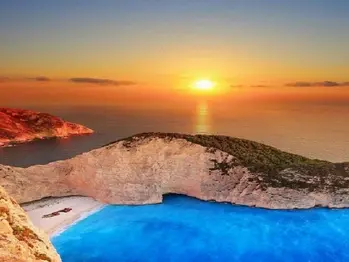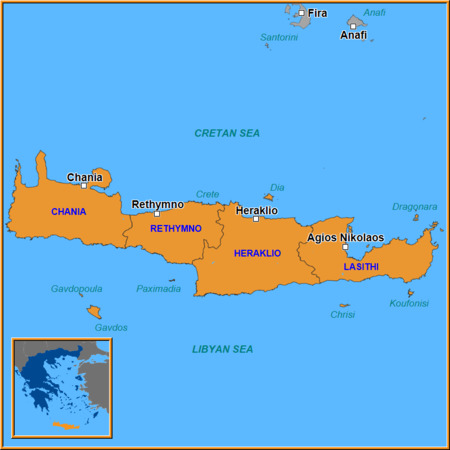
Crete, Greece’s largest island, is a mosaic of history, culture, and natural beauty. While the famed beaches of Elafonissi and Balos attract many tourists, the true allure lies in its lesser‑known villages, ancient ruins, and untouched landscapes.
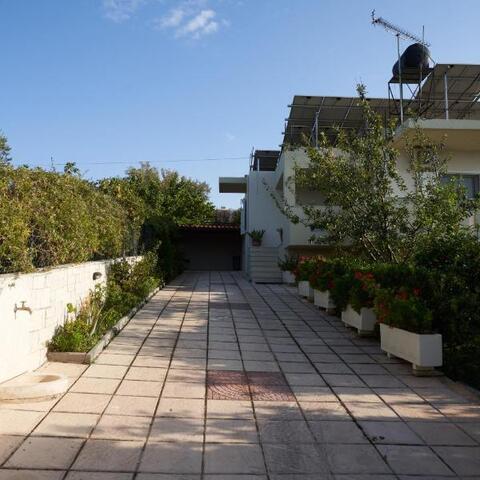
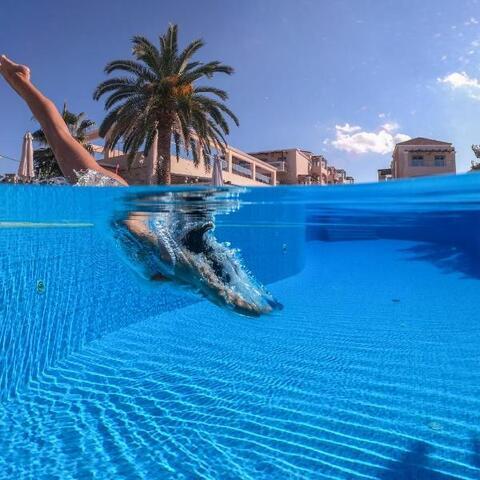
We suggest for your stay:
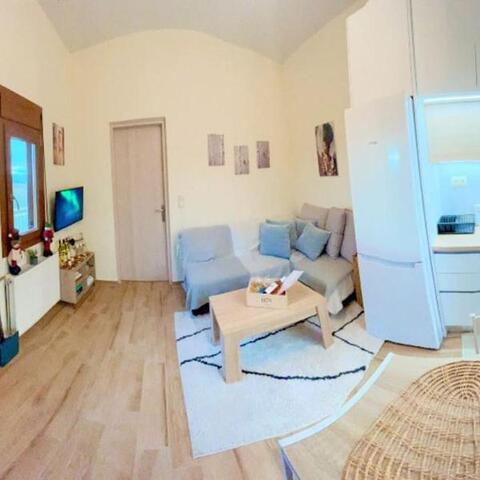
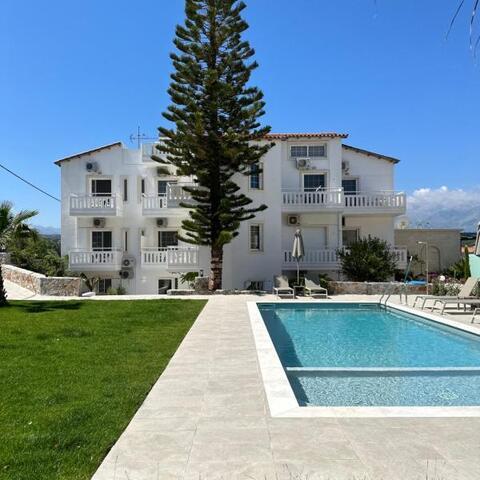
Still Looking for the Perfect Stay?

The Enchanting Towns to Explore
Rethymno – A blend of Venetian architecture and traditional Greek charm. Wander the cobblestone streets, visit the Fortezza Castle, and enjoy sunset views from the harbor.
Chania – Known for its colorful harbor and bustling market stalls. The old town’s labyrinthine alleys hide artisan workshops and hidden cafés.
Agios Nikolaos – A tranquil seaside town where you can stroll along the lake of the same name, sip local raki, and discover the nearby village of Myrtos.
Off‑the‑Beaten Path: Hidden Gems
Spinalonga Island – Once a leper colony, this small island offers a hauntingly beautiful walk through its abandoned buildings and a glimpse into Crete’s maritime past.
Balos Lagoon (Koules) – While popular, the lagoon’s turquoise waters are best enjoyed early in the morning when crowds are minimal. A short hike rewards you with panoramic views of the Aegean Sea.
Paleochora – A hidden beach on the western coast, accessible via a scenic trail that winds through olive groves and ancient ruins.

Ancient Sites Worth Visiting
Knossos Palace – The legendary Minoan labyrinth, where you can explore frescoes, throne rooms, and the mythic Labyrinth of King Minos.
Phaistos – Less crowded than Knossos, this site offers a quieter glimpse into Minoan civilization with its well‑preserved ruins overlooking the plains of Lasithi.
Lato – A hilltop village that houses an impressive Byzantine church and provides sweeping views of the surrounding countryside.
Natural Wonders and Outdoor Adventures
Samaria Gorge – One of Europe’s longest gorges, perfect for hikers seeking a challenging trek through lush pine forests and dramatic cliffs.
Elafonissi Beach – Renowned for its pink sand and crystal‑clear waters; the beach is ideal for snorkeling and swimming.
Mount Ida (Psiloritis) – The highest peak on Crete offers hiking trails, ancient monasteries, and breathtaking vistas of the island’s diverse landscapes.

Culinary Delights to Savor
Crete’s cuisine reflects its rich agricultural heritage. Don’t miss:
Dakos – A traditional Cretan salad made with barley rusks, tomatoes, feta, and olive oil.
Moussaka – Creamy layers of eggplant, minced meat, and béchamel sauce.
Fresh seafood at local tavernas, especially the grilled octopus and calamari served with a drizzle of lemon‑infused olive oil.
Practical Tips for Travelers
Best Time to Visit – Late spring (May–June) or early autumn (September–October) offer mild weather and fewer crowds.
Getting Around – Rent a car for flexibility, but local buses connect major towns and tourist spots.
Accommodation – Choose boutique hotels in historic villages for an authentic experience, or opt for seaside resorts if you prefer luxury amenities.
Final Thoughts
Crete is more than its famed beaches; it’s a tapestry of hidden villages, ancient ruins, and natural wonders waiting to be explored. Whether you’re a history buff, nature lover, or culinary enthusiast, the island offers an unforgettable journey through Greece’s enchanting heart.