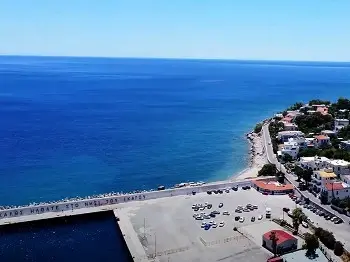
Paleopirgos, a hidden gem in the heart of Trikala, offers travelers a portal to Greece’s storied past. Nestled among rolling hills and olive groves, this village preserves archaeological sites, ancient churches, and traditional architecture that echo centuries ago.
We suggest for your stay:
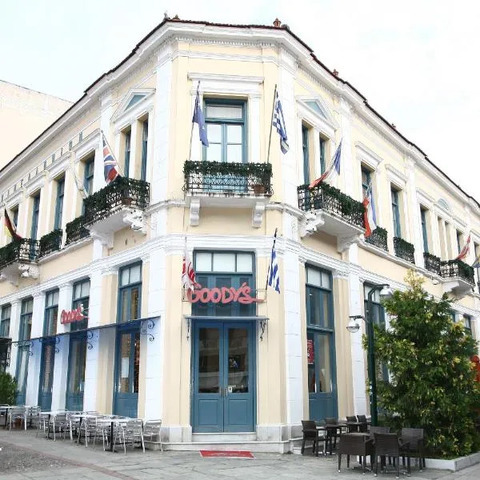
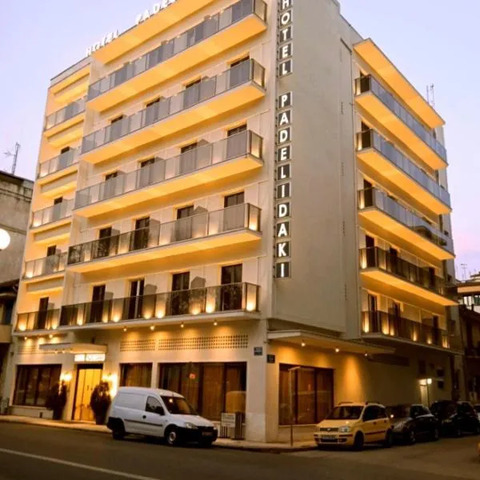
Still Looking for the Perfect Stay?

Why Paleopirgos Matters
Archaeological significance: Excavations reveal Hellenistic tombs and Roman mosaics.
Cultural continuity: Local festivals still honor ancient deities and customs.
Scenic beauty: The surrounding landscape provides panoramic views of the Pindus mountains.
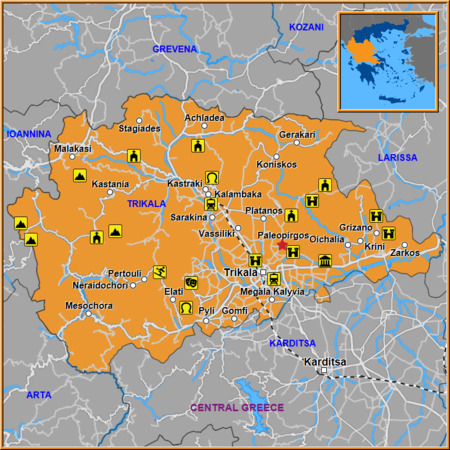
Navigating the Map of Paleopirgos
Central Square (Plateia) – Start here to get a feel for village life. Look for the stone fountain that dates back to the 18th century.
The Ancient Temple Site – Located on a hilltop, this ruins complex offers insight into early Greek worship practices.
Byzantine Church of St. George – A well-preserved structure with frescoes from the 12th century.
Local Museum – Displays artifacts recovered during recent digs, including pottery and bronze tools.
Traditional Guesthouse – Ideal for an overnight stay; many rooms are furnished in period style.

Nearby Attractions Worth a Detour
While exploring Paleopirgos, consider visiting these neighboring towns and villages that share the region’s rich heritage:
Trikala City: The regional capital boasts museums, markets, and the impressive Archaeological Museum of Trikala.
Platanos Village: Known for its ancient olive trees and a small chapel dating to the 15th century.
Vassiliki Village: Home to a well-preserved Ottoman-era bridge over the river.
Megala Kalyvia Town: Offers traditional stone houses and a local craft market.
Agnandero Village: Features an old monastery with frescoes from the 17th century.
Oichalia Town: Famous for its wine production and historic taverns.
Proastio Village: A quiet spot where you can hike to see ancient terraced fields.
Practical Tips for Your Journey
Best Time to Visit: Late spring (May–June) or early autumn (September) when the weather is mild and crowds are thinner.
Getting There: Trains from Thessaloniki stop at Trikala; from there, local buses or taxis can take you to Paleopirgos.
Accommodation: Book a room in advance during peak season; guesthouses often offer homemade meals featuring regional cheeses and olives.
Local Cuisine: Don’t miss the kleftiko (slow‑cooked lamb) and fresh goat cheese, staples of the Trikala culinary tradition.
Embrace the Past, Savor the Present
Paleopirgos is more than a destination; it’s an experience that blends archaeology, culture, and hospitality. By following this map, you’ll uncover layers of history while enjoying the warmth of local communities. Whether you’re a history buff or simply seeking a tranquil escape, Paleopirgos invites you to step into time.
Final Thoughts
The journey through Paleopirgos is a reminder that Greece’s ancient wonders are not confined to grand monuments alone; they live in villages where stories survive in stone and in the daily lives of its people. Pack your curiosity, bring an open mind, and let the map guide you through this timeless landscape.