Agia, a small town nestled in the heart of Larisa, offers travelers an authentic slice of Greek life that goes far beyond the usual tourist trail. By following its winding streets and local landmarks, visitors can uncover stories of ancient heritage, vibrant traditions, and breathtaking landscapes.
We suggest for your stay:
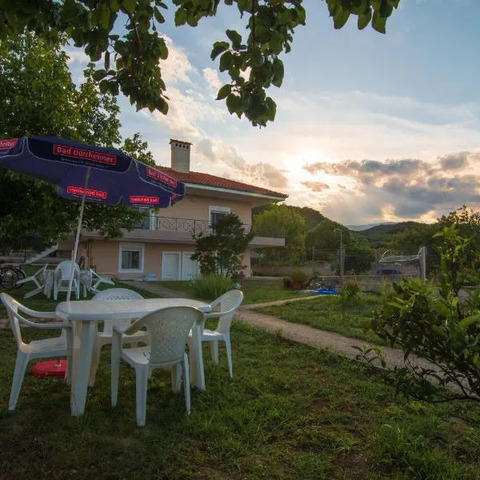
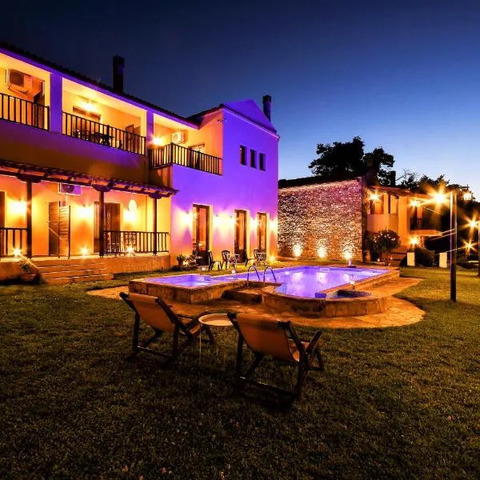
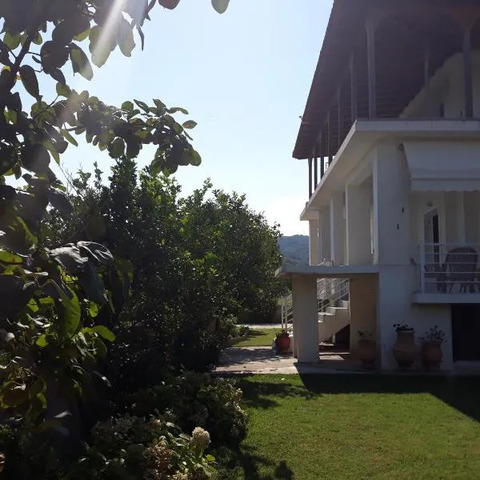
Still Looking for the Perfect Stay?

Why Agia Matters
Historical Roots: The town’s origins trace back to the Byzantine era, with remnants such as stone churches and traditional houses that whisper tales of centuries past.
Community Spirit: Local festivals, especially the annual Agia Fair, showcase folk music, dance, and regional cuisine—an immersive experience for any cultural enthusiast.
Natural Beauty: Surrounded by rolling hills and olive groves, Agia provides a tranquil setting that invites exploration on foot or by bike.
Key Attractions Within Agia
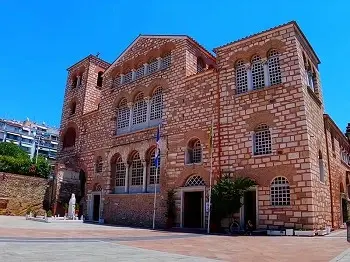
Agia Church of Saint Demetrios – A 12th‑century basilica with frescoes depicting early Christian iconography.
Town Square (Plateia) – The heart of daily life where artisans sell handmade crafts and street performers entertain crowds.
Local Museum of Folk Traditions – Exhibits include traditional costumes, tools, and photographs that chronicle the town’s evolution.
Agia Olive Press – Visitors can watch olives being pressed into golden olive oil, a staple in Greek cuisine.

Hidden Treasures Just Outside Agia
While Agia itself is rich with culture, several nearby villages offer equally compelling experiences:
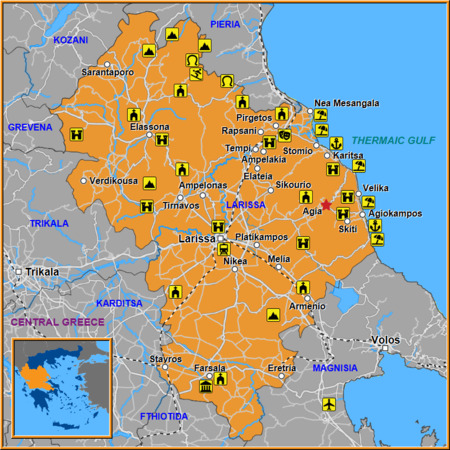
Skiti Village: Known for its stone‑roofed houses and the serene Monastery of St. John, perfect for quiet reflection.
Velika Village: A picturesque spot where local farmers sell fresh cheeses and honey straight from their farms.
Agiokampos Village: Famous for its traditional pottery workshops; you can try your hand at shaping clay.
Karitsa Village: Offers panoramic views of the surrounding valleys, ideal for sunset photography.
Sikourio Town: Hosts a lively weekly market where artisans display woven textiles and handmade jewelry.
Stomio Village: Home to an ancient Roman aqueduct, still functional in parts—an engineering marvel.
Melia Village: Renowned for its vineyards; wine tastings here showcase robust local reds.
Elateia Village: A quiet retreat with a historic church and lush olive groves that provide a peaceful escape.
How to Navigate the Map of Agia
Start at the Town Square – Use it as your central hub; most public transport stops here.
Follow the Main Road (E75) – This artery connects Agia with neighboring villages and major highways.
Use Local Buses or Taxis – Scheduled routes run to Skiti, Velika, and other nearby settlements.
Rent a Bicycle – For those who prefer an active exploration; the terrain is gentle and scenic.
Download Offline Maps – Apps like Maps.me provide detailed topography and points of interest.
Authentic Experiences to Try
Participate in a Traditional Cooking Class: Learn how locals prepare Moussaka using fresh, local ingredients.
Attend a Folk Music Night: Many tavernas host live performances featuring the bouzouki and traditional Greek songs.
Explore Olive Groves by Foot or Horseback: Guided tours offer insights into sustainable farming practices.
Join a Local Harvest Festival: If you visit during late summer, witness the community’s celebration of the olive harvest.
Practical Tips for Travelers
Best Time to Visit: Late spring (May‑June) and early autumn (September‑October) offer mild weather and fewer crowds.
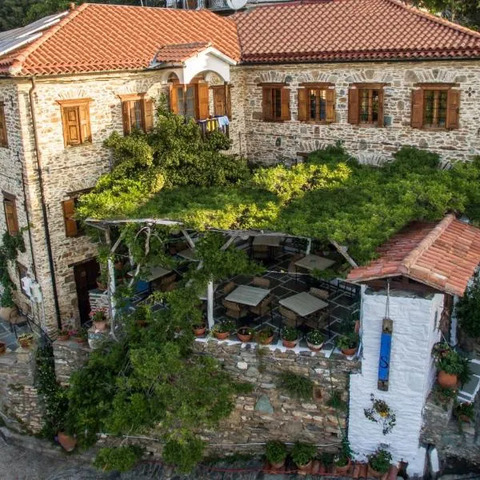
Accommodation Options: From boutique guesthouses in Agia to rustic farm stays in surrounding villages, there’s something for every budget.
Cultural Etiquette: Greet locals with a friendly “Kalimera” (Good morning) or “Kalispera” (Good evening); modest dress is appreciated when visiting churches.
By embracing both Agia and its neighboring villages, travelers can experience the full spectrum of Larisa’s cultural richness—an unforgettable journey that blends history, nature, and genuine hospitality.