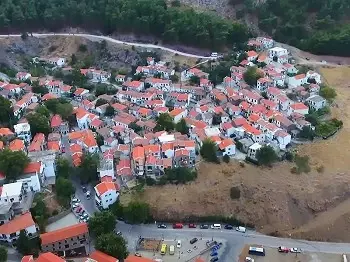
Mavromati Village, tucked away in the rolling hills of Karditsa, is a living museum where history and nature intertwine. The village’s ancient stone paths, traditional stone houses, and hand‑crafted olive groves invite travelers to step back into a time when life moved at a gentler pace.
We suggest for your stay:
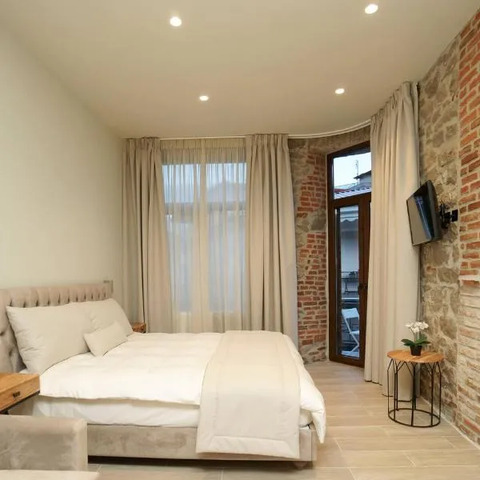
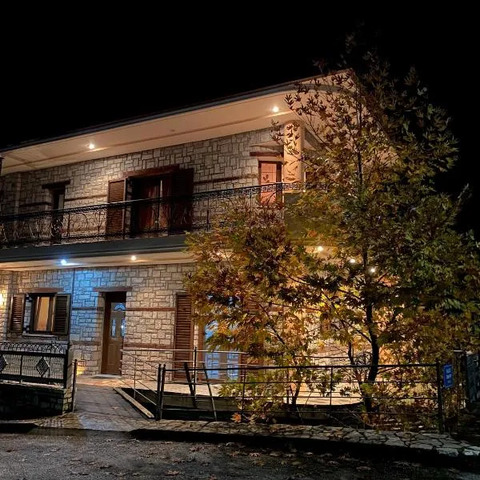
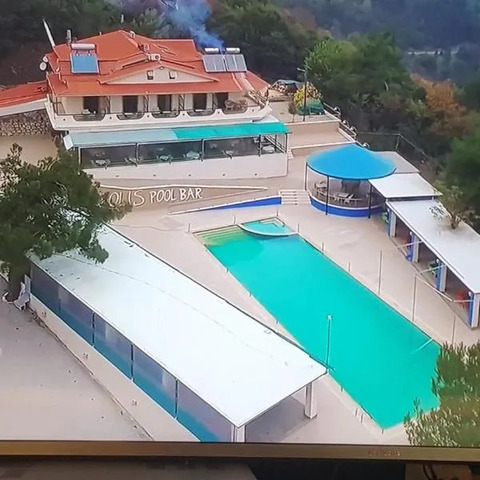
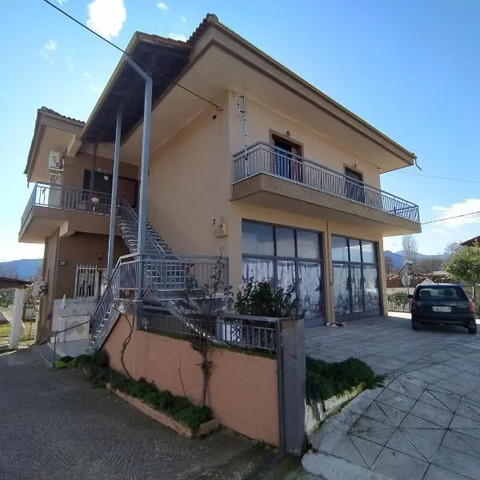
Still Looking for the Perfect Stay?

Why Mavromati Matters
Cultural Heritage: Home to the Mavromati Monastery, founded in the 15th century, whose frescoes narrate local legends.
Architectural Charm: The village’s layout follows an old Byzantine design, with narrow alleys that reveal hidden courtyards and stone fountains.
Natural Beauty: Surrounded by lush forests and terraced vineyards, offering panoramic views of the surrounding valleys.
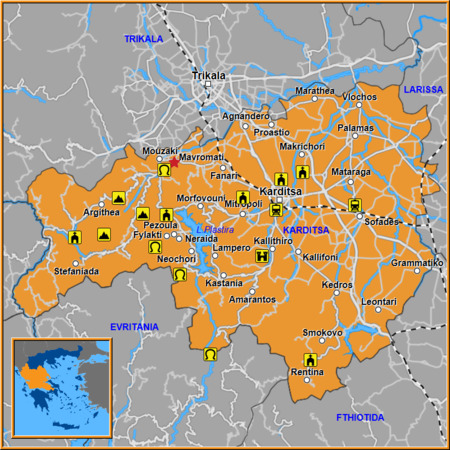
Exploring the Enigmatic Map
The map of Mavromati is more than a navigation tool; it’s a key to unlocking stories. Each marked point corresponds to a landmark:
Monastery of Saint Athanasius – a spiritual haven perched on a cliff.
Old Water Mill – still functional, showcasing traditional milling techniques.
Community Square – where locals gather for festivals and markets.
Olive Oil Press – producing extra‑virgin olive oil that carries the unique flavor of Karditsa’s soil.
By following these coordinates, visitors can experience a curated journey through Mavromati’s heart.

Nearby Attractions Worth Visiting
Mavromati is part of a network of villages and towns that share its rich cultural tapestry. A short drive will take you to:
Mouzaki Town – known for its vibrant bazaar and historic church.
Gomfi Village – where traditional pottery workshops still thrive.
Pyli Town – offers a panoramic viewpoint overlooking the Pindus mountains.
Fanari Village – famous for its 18th‑century windmills.
Morfovouni Village – home to an ancient cave with prehistoric carvings.
Megala Kalyvia Town – hosts annual folk festivals celebrating local music and dance.
Pezoula Village – a quiet spot ideal for hiking and bird watching.
Each destination adds depth to your exploration, revealing how Mavromati fits into the broader cultural landscape of Karditsa.
Practical Tips for Travelers
Best Time to Visit: Late spring (May–June) or early autumn (September) when the weather is mild and the countryside is in full bloom.
Getting There: The nearest train station is in Karditsa; from there, a local bus or taxi can take you to Mavromati in about 45 minutes.
Accommodation: Stay in one of the village’s guesthouses for an authentic experience—many offer homemade Greek meals and warm hospitality.
Local Cuisine: Don’t miss Mavromati’s signature dish, a slow‑cooked lamb stew seasoned with local herbs, served alongside freshly baked bread.
Embracing the Spirit of Mavromati
Visiting Mavromati is more than sightseeing; it’s an invitation to immerse yourself in the rhythms of rural Greece. Whether you’re tracing ancient frescoes, sipping locally produced olive oil, or simply listening to the wind through stone walls, each moment becomes a memory that carries the village’s legacy forward.
Plan Your Journey Today
Prepare your itinerary around the map’s highlighted sites and extend your adventure to the neighboring towns listed above. With its blend of history, culture, and natural beauty, Mavromati promises an unforgettable journey into Karditsa’s heart.