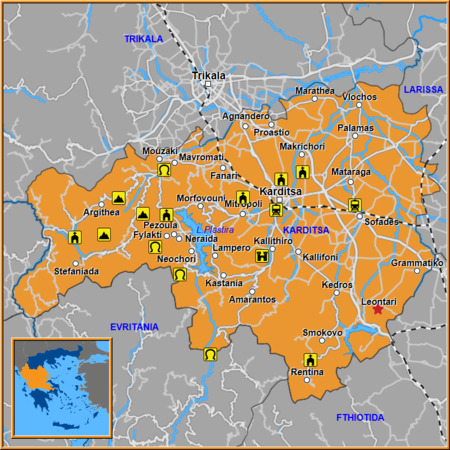
Leontari, a picturesque village nestled in the heart of Thessaly, offers travelers an authentic Greek experience steeped in history and natural beauty. This guide will walk you through its most iconic landmarks, historic sites, and nearby villages that share its charm.
We suggest for your stay:
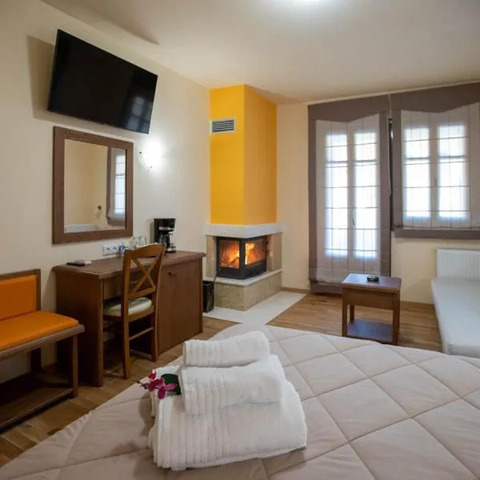

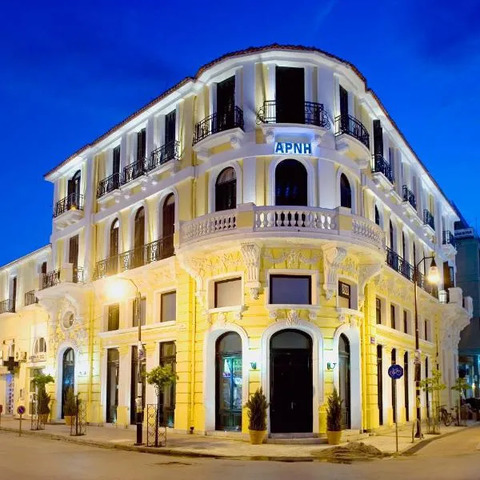
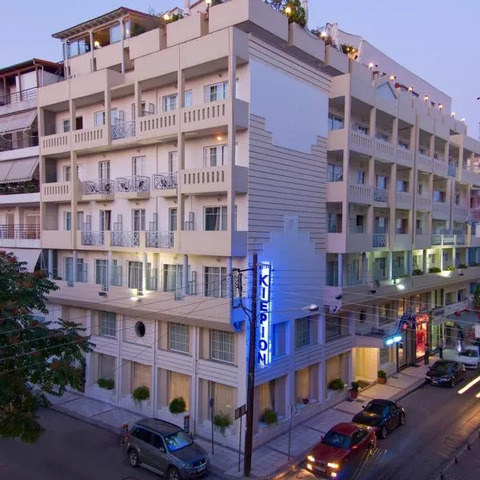
Still Looking for the Perfect Stay?

The Heartbeat of Leontari – The Village Square
At the center of Leontari lies a bustling square surrounded by traditional stone houses. Here, locals gather for weekly markets where fresh produce, handmade crafts, and local cheeses are sold. The square’s cobblestone path leads to the Church of Saint Demetrios, an 18th‑century structure known for its beautiful frescoes depicting Greek Orthodox saints.
Ancient Ruins: The Archaeological Site of Asterousia
Just a short walk from the village, the ruins of Asterousia reveal remnants of a once-thriving ancient city. Visitors can explore column fragments, pottery shards, and a well‑preserved theater that offers panoramic views of the surrounding hills.

Natural Wonders – The Leontari Waterfall Trail
For nature lovers, the Leontari Waterfall is a must-see. A moderate hike through pine forests leads to a crystal‑clear waterfall cascading into a natural pool—perfect for a refreshing dip during hot summer days.
Cultural Highlights – Local Folklore Museum
The Local Folklore Museum showcases traditional costumes, tools, and artifacts that narrate the everyday life of Leontari’s ancestors. Interactive exhibits allow visitors to learn about ancient weaving techniques and regional music instruments.

Culinary Delights – Traditional Tavernas
Leontari boasts several family‑run tavernas offering classic Greek dishes such as moussaka, souvlaki, and homemade fava. The most popular spot, Taverna Orestis, serves the best local wine paired with freshly baked bread.
Nearby Villages Worth Exploring
Leontari’s proximity to several charming villages makes it an ideal base for a regional tour. Below are key destinations you should consider:
Kedros Village – Known for its lush olive groves and historic monastery.
Grammatiko Village – Famous for its traditional pottery workshops.
Smokovo Small Village – A quiet spot with breathtaking sunset views over the plains.
Neo Monastiri Village – Home to a 19th‑century church and scenic hiking paths.
Omvriaki Village – Offers local cheese tastings and rustic architecture.
Domokos Town – A larger town featuring a medieval castle, bustling market square, and the renowned Domokos Museum.
Practical Tips for Travelers
Best Time to Visit: Late spring (May–June) and early autumn (September) provide mild weather ideal for hiking and sightseeing.
Getting There: Leontari is accessible by regional buses from Karditsa and nearby towns. Renting a car offers the most flexibility.
Accommodation: Choose from cozy guesthouses or agritourism farms that offer authentic Greek hospitality.
Language: While Greek is predominant, many locals speak basic English, especially in tourist areas.
Safety & Health: Carry sunscreen, a hat, and plenty of water for outdoor activities; the region can get hot during midsummer.
Conclusion
Leontari is more than just a village—it’s a living museum where history, culture, and nature intertwine. By exploring its landmarks and neighboring villages, travelers gain a deeper appreciation of Thessaly’s rich heritage and warm community spirit.


