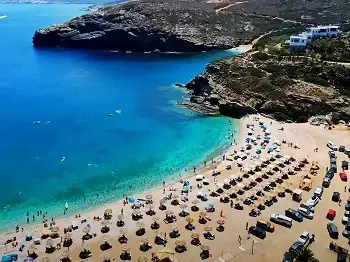
Amarantos Village sits quietly in the heart of Karditsa, offering travelers a blend of rustic charm and authentic Greek hospitality. While many seek the bustling city life, those who venture to this serene locale find themselves surrounded by breathtaking landscapes, traditional architecture, and warm locals eager to share their stories.
We suggest for your stay:

Still Looking for the Perfect Stay?

Why Amarantos Should Be on Your Map
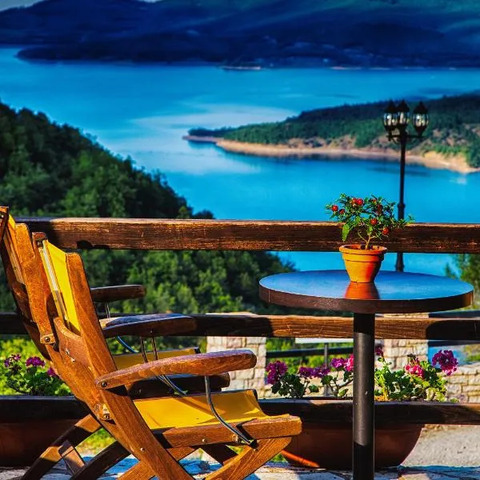
Scenic Vistas: The village nestles among rolling hills that provide panoramic views of the surrounding valleys. Early mornings are perfect for sunrise walks along winding paths.
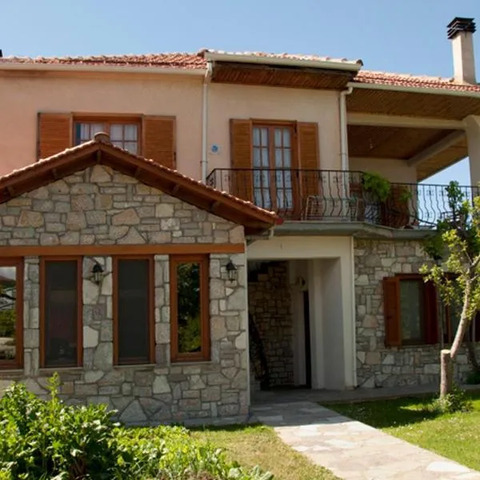
Cultural Heritage: Traditional stone houses and a centuries‑old church stand as testaments to the region’s rich history. Local artisans still craft handmade pottery and textiles using age‑old techniques.
Gastronomic Delights: Farm‑to‑table eateries serve dishes made from locally sourced olives, honey, and fresh goat cheese—an unforgettable taste of Karditsa’s culinary legacy.
Exploring the Surrounding Villages
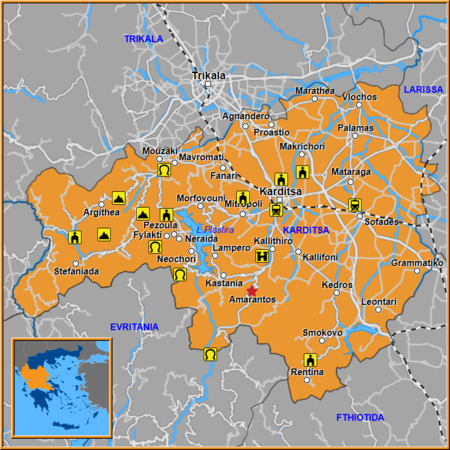
Amarantos is part of a network of nearby villages that share its tranquil atmosphere. A short drive or hike will take you to:
Kastania Village – Known for its lush pine forests and hiking trails.
Kallithiro Village – Offers traditional music performances during the summer months.
Lampero Village – Home to a historic monastery that dates back to the 18th century.
Kallifoni Village – Famous for its vibrant local market where fresh produce is sold daily.
Neochori Village – Features charming stone cottages and a small museum dedicated to regional folklore.
Mitropoli Village – Boasts an impressive Byzantine church with intricate frescoes.
Neraida Small Village – A quiet spot ideal for reflective walks by the river.
These villages are not only close in distance but also share cultural threads that weave a tapestry of authentic Greek life. Visiting them together creates a comprehensive experience of Karditsa’s rural heartland.
Practical Tips for Travelers
Getting There: The nearest major town is Karditsa, accessible by bus from Thessaloniki or Athens. From there, local taxis or rental cars can take you to Amarantos in about 30 minutes.
Best Time to Visit: Late spring (May–June) and early autumn (September) offer mild weather, making outdoor activities comfortable while avoiding the peak tourist season.
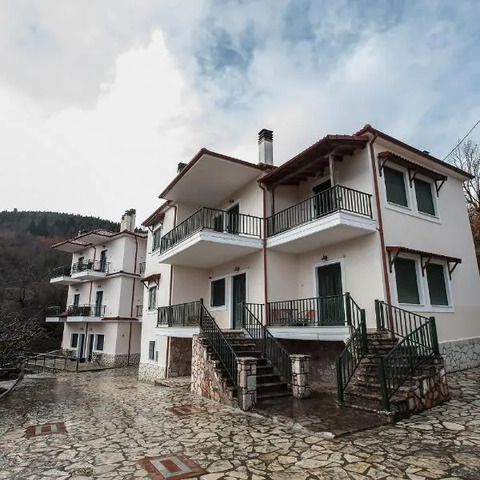
Accommodation: Guesthouses in Amarantos provide cozy rooms with traditional décor and homemade breakfast. For a more secluded stay, consider renting a farmhouse in one of the surrounding villages.
Language & Etiquette: While Greek is the primary language, many locals speak basic English. A few polite phrases in Greek—Kalimera (Good morning) and Efharisto (Thank you)—will go a long way.
Safety & Connectivity: Mobile coverage can be spotty in remote areas; downloading offline maps is advisable.
Immersive Experiences
Farm Visits: Join a local farmer for a day of olive harvesting or cheese-making, gaining insight into traditional agrarian practices.
Guided Hikes: Several trekking routes connect Amarantos to the neighboring villages, offering guided tours that highlight geological formations and ancient ruins.
Cultural Festivals: Time your visit with the annual Agios Nikolaos festival in Kastania for a vibrant display of music, dance, and regional cuisine.
Final Thoughts
Amarantos is more than just a village; it’s a living museum where every stone tells a story. By exploring its close-knit neighbors—Kastania, Kallithiro, Lampero, Kallifoni, Neochori, Mitropoli, and Neraida—you’ll uncover the hidden gems that define Karditsa’s rural allure. Pack your curiosity, bring an open mind, and let the map guide you to unforgettable adventures.
Ready to Explore?
Plan your itinerary today and experience the authentic charm of Amarantos and its surrounding villages—where every path leads to a new discovery.