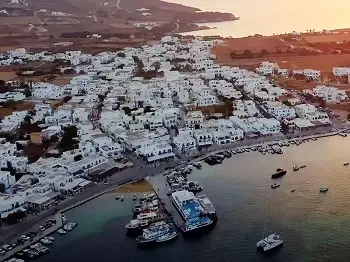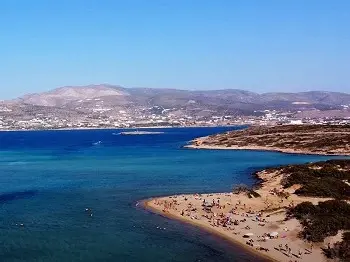
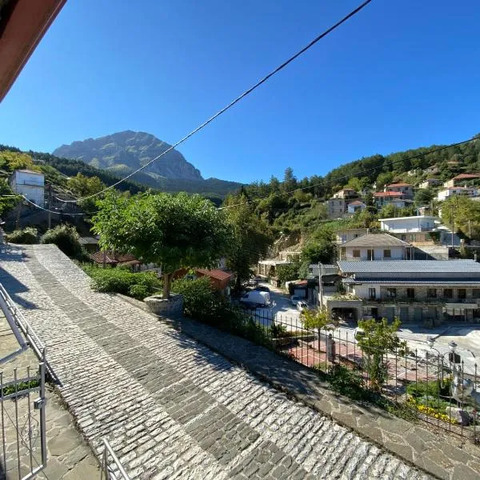
Pramanta is a small, picturesque village tucked into the hills of the Ioannina region. Its winding streets, stone houses, and lush olive groves create an atmosphere that feels both timeless and inviting. For travelers seeking authenticity, Pramanta offers a unique blend of history, nature, and local culture.
We suggest for your stay:
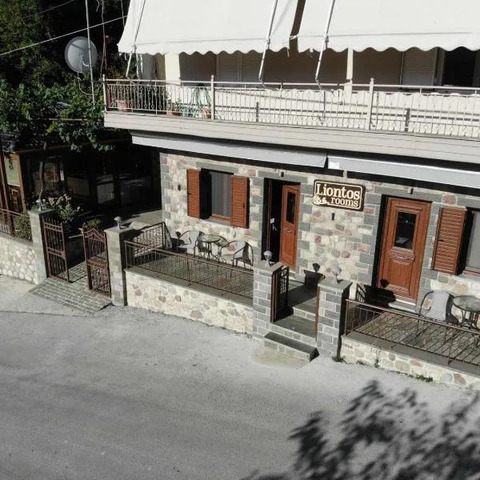
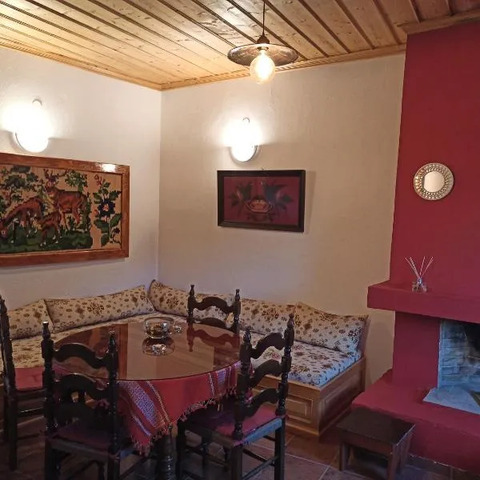
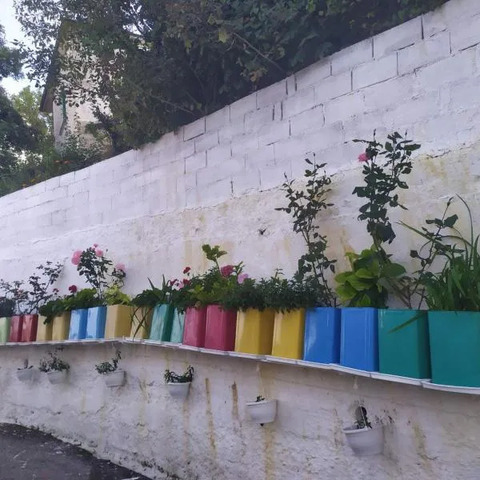
Still Looking for the Perfect Stay?

The Enigmatic Map: Your Guide to Exploration
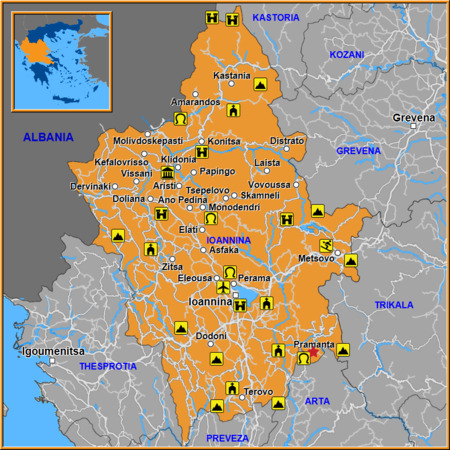
Maps are more than navigation tools; they tell stories. The map of Pramanta is dotted with landmarks that hint at the village’s past and present. From the ancient stone bridge over the Kallithea stream to the modest chapel perched on a hilltop, each point invites curiosity. Use the map to:
Follow the trail from the main square to the hidden cave where local legends say a monk once sought solitude.
Spot the olive groves that have been cultivated for generations; many still produce the renowned Pramanta olives.
Locate the community center, where artisans showcase pottery and weaving—perfect for picking up a handmade souvenir.
Nearby Villages Worth Visiting
Pramanta’s charm is amplified by its proximity to several other delightful villages. A short drive or hike will take you to:
Katarraktis Village: Known for its waterfall, Kataraktikos, which cascades into crystal-clear pools—ideal for a refreshing dip.
Vourgareli Village: Offers panoramic views of the surrounding valleys and hosts an annual folk music festival in summer.
Mesochora Village: Famous for its traditional stone houses and a small museum dedicated to local folklore.
Terovo Village: A quiet spot where you can taste homemade tsipouro (local spirit) at family-run taverns.
Anemorrachi Village: Renowned for its ancient olive trees, some of which are over 500 years old.
Ioannina City: The Urban Counterpart
While Pramanta exudes rustic charm, the nearby city of Ioannina offers a contrasting urban experience. A visit to the Lake Pamvotis is essential; the reflections of the surrounding mountains create a serene backdrop for leisurely walks or paddle‑boat rides. Explore the historic Old Town, with its cobblestone streets and Ottoman-era architecture, and don’t miss the Archaeological Museum that houses artifacts from the region’s rich past.
Practical Tips for Travelers
Best Time to Visit: Late spring (May–June) or early autumn (September–October) when temperatures are mild and the countryside is in full bloom.
Getting There: Public buses run from Ioannina city center to Pramanta, but renting a car provides greater flexibility for exploring surrounding villages.
Accommodation: Stay at a local guesthouse or agrotourism farm to experience authentic hospitality and homemade meals.
Language: While Greek is the primary language, many locals in tourist areas speak basic English. A few key phrases will go a long way.

Culinary Highlights
Pramanta’s cuisine reflects its agricultural heritage. Be sure to try:
Koulouri (cheese-stuffed bread) freshly baked at the village bakery.
Moussaka made with locally sourced eggplants and lamb.
Local honey from the apiaries scattered across the hills—perfect for a sweet treat or as an ingredient in traditional desserts.
Final Thoughts
Exploring Pramanta through its enigmatic map is more than a sightseeing trip; it’s an invitation to step into a living tapestry of culture, nature, and history. Whether you’re wandering through stone pathways, sipping tsipouro in Vourgareli, or enjoying the tranquil waters of Lake Pamvotis, each moment offers a new perspective on this hidden gem of Ioannina.
Ready to Discover Pramanta?
Pack your curiosity, grab the map, and let the journey begin. The hills of Ioannina await with stories etched in stone and smiles waiting to greet you.