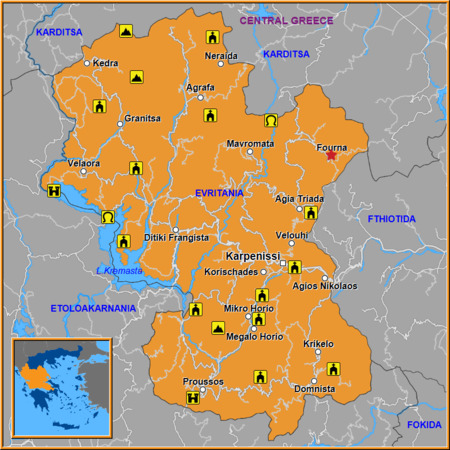
Fourna Village sits quietly in the heart of Evritania, a region where history whispers through olive groves and ancient stone paths. For travelers eager to explore beyond the usual tourist trail, a map of Fourna offers more than directions—it reveals stories waiting to be uncovered.
We suggest for your stay:
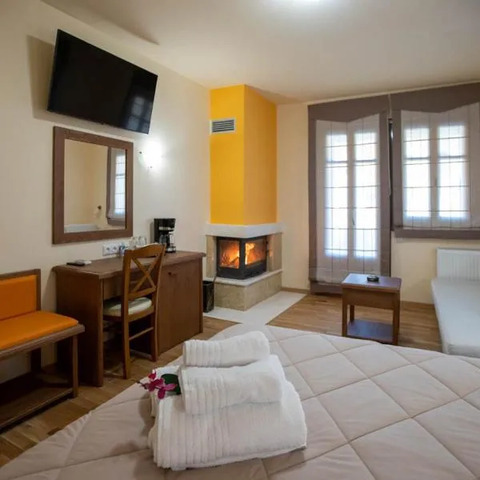
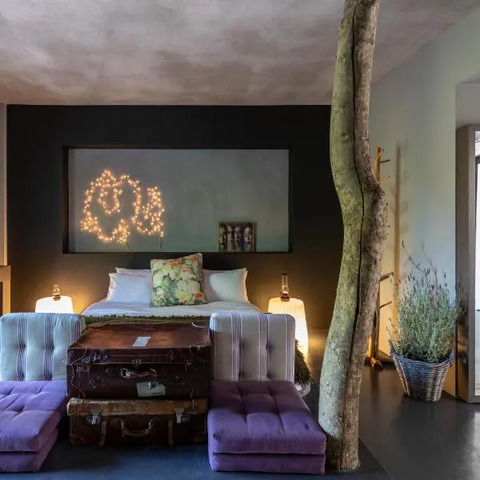
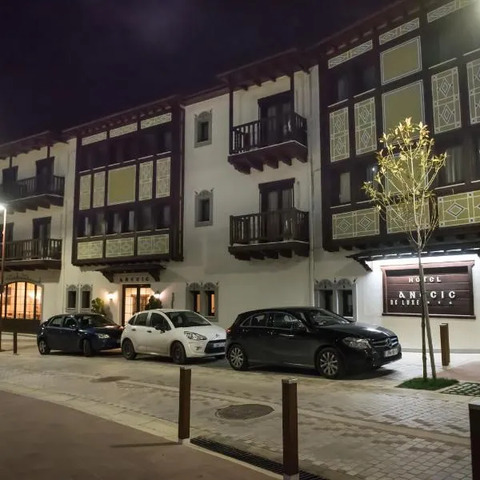

Still Looking for the Perfect Stay?

Why Fourna Matters
Cultural crossroads: Fourna has long been a meeting point for traders, shepherds, and monks, leaving behind a mosaic of architectural styles.
Natural beauty: The surrounding hills provide panoramic views that change with the seasons—autumn brings golden foliage, while spring paints wildflowers across the meadows.
Local legends: From tales of hidden caves to mysterious apparitions in the night, the village’s folklore adds a layer of intrigue for curious visitors.
Mapping the Journey
A well‑drawn map can transform a simple visit into an adventure. Here are key landmarks to look for:
The Old Stone Bridge – a 17th‑century structure that spans the crystal clear stream, offering both a historical point of interest and a perfect photo spot.
Agios Nikolaos Chapel – tucked behind olive trees, this chapel hosts an annual festival where locals perform traditional dances.
The Whispering Cave – accessible via a narrow trail; legend says it echoes with the voices of ancient shepherds.
Fourna’s Market Square – bustling on weekends with stalls selling handmade honey, cured meats, and woven baskets.

Hidden Gems Beyond Fourna
While Fourna itself is a treasure trove, its neighboring villages are equally compelling. A short drive from the village center leads you to:
Rentina Village, known for its terraced vineyards and rustic taverns.
Agia Triada Village, where a 12th‑century monastery offers serene meditation spots.
Mavromata Village, famed for its black stone architecture that contrasts beautifully with the surrounding greenery.
Smokovo Small Village, a quiet hamlet where locals still practice traditional weaving.
Velouhi Small Village, home to an ancient olive grove that has survived for over 500 years.
Amarantos Village, celebrated for its annual flower festival featuring vibrant amaranth blooms.
Karpenissi Town, the nearest urban center, providing modern amenities while preserving historic streetscapes.
These villages form a network of cultural and natural attractions that can be explored in a single day or over several weeks. Each offers unique experiences—from tasting local cheeses to hiking ancient footpaths—making the region a mosaic of unforgettable memories.
Practical Tips for Travelers
Best Time to Visit: Late spring (May–June) and early autumn (September) provide mild weather, ideal for walking tours.
Getting Around: Renting a bicycle or scooter is popular among locals; however, public buses connect Fourna to Karpenissi Town.
Accommodation: Guesthouses in Fourna offer home‑cooked meals and personalized guides who can show you off‑the‑beaten paths.
Cultural Etiquette: When visiting churches or monasteries, dress modestly and keep noise levels low during prayer times.
Conclusion
Fourna Village is more than a dot on a map—it’s a living narrative of Evritania’s past and present. By following the detailed map and venturing into nearby villages like Rentina, Agia Triada, Mavromata, Smokovo, Velouhi, Amarantos, and Karpenissi, travelers can experience a rich tapestry of history, culture, and natural beauty that few destinations offer.
Suggested Activities
Guided Historical Walks: Join local guides for an in‑depth exploration of Fourna’s landmarks.
Culinary Tours: Sample regional specialties such as koulouri (bread), tsipouro (local spirit), and fresh olive oil.
Photography Expeditions: Capture the sunrise over the hills or the sunset behind the stone bridge for stunning visuals.
Final Thought
Whether you’re a history buff, nature lover, or culinary enthusiast, Fourna and its neighboring villages promise an authentic experience that will linger long after you leave Evritania’s borders.


