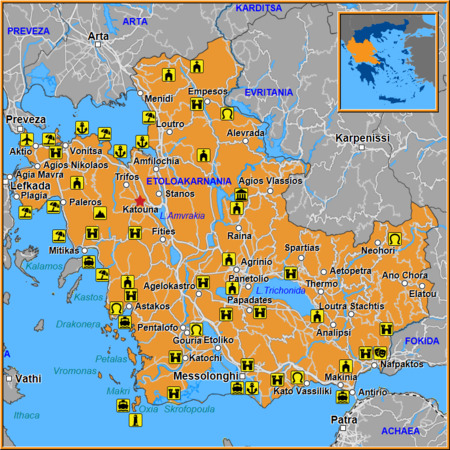
Katouna, nestled in the heart of Etoloakarnania, offers more than just a picturesque landscape—its map is a treasure trove waiting to be explored. By following the winding paths and subtle markers on the local guide, travelers can uncover secret viewpoints, ancient ruins, and serene villages that often escape the mainstream itinerary.
We suggest for your stay:
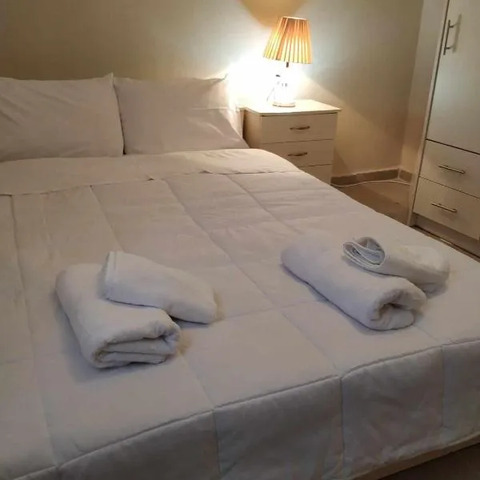
Still Looking for the Perfect Stay?

The Map’s Secret Pathways
The official Katouna map highlights several key routes:
Main Trail: Leads from the village center to the hilltop watchtower, offering panoramic views of the surrounding plains.
Hidden Waterfall Route: A less-traveled path that meanders through dense pine groves and culminates at a crystal‑clear waterfall—perfect for a quiet picnic.
Historical Footpath: Connects ancient stone markers to ruins dating back to the Byzantine era, providing a tangible link to the region’s past.
By following these pathways, visitors can experience Katouna’s natural beauty while learning about its cultural heritage.
Nearby Villages Worth Visiting
Katouna is strategically positioned near several charming settlements that enrich any journey:
Stanos Village: Known for its traditional stone houses and aromatic olive groves.
Trifos Village: Offers a tranquil riverbank where locals gather for evening strolls.
Amfilochia Town: A bustling market town with historic architecture and lively festivals.
Fities Village: Famous for its handcrafted pottery and rustic taverns.
Mitikas Village: Home to an ancient monastery that hosts seasonal pilgrimages.
Loutro Small Village: Features a secluded beach accessible only by foot, ideal for sunset photography.
Paleros Village: Renowned for its vibrant folk music scene during the summer months.
These neighboring locales are easily reachable via short hikes or local buses and provide a deeper insight into the region’s diverse traditions.
Practical Tips for Navigating the Map
Download a Digital Copy: Many tourist offices now offer PDF versions of the Katouna map, complete with GPS coordinates.
Carry a Physical Map: In case of limited mobile reception, a paper map ensures you never lose your way.
Plan Your Route: Prioritize trails based on your interests—whether it’s history, nature, or culinary adventures.
Respect Local Customs: Some paths pass through private lands; always seek permission before entering.
Stay Hydrated and Sun‑Protected: The terrain can be rugged, and the Greek sun is intense during peak months.
Why a Map Matters
A well‑crafted map does more than guide you—it tells a story. In Katouna’s case, each marker represents a chapter of local lore, from ancient battles to pastoral legends. By engaging with the map, travelers become active participants in preserving and celebrating this heritage.
Final Thoughts
Exploring Katouna through its enigmatic map transforms a simple visit into an immersive adventure. Whether you’re chasing waterfalls, tracing historical routes, or simply soaking up village life, the map is your key to unlocking the hidden gems of Etoloakarnania.


