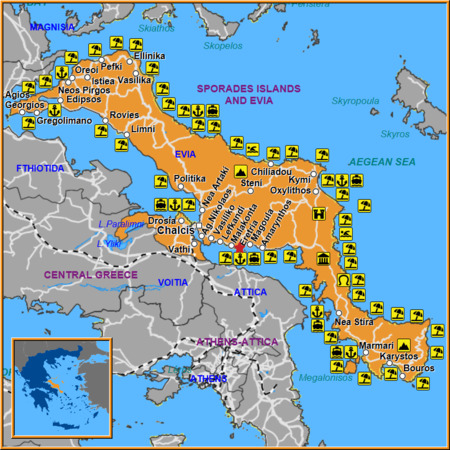
Eretria, perched on the western coast of Evia, is a town that whispers stories from antiquity to modern times. Its cobblestone streets, ancient ruins, and vibrant harbor make it a must‑visit destination for history lovers and casual travelers alike. This guide will help you navigate Eretria’s rich past while highlighting nearby villages that offer equally captivating experiences.
We suggest for your stay:
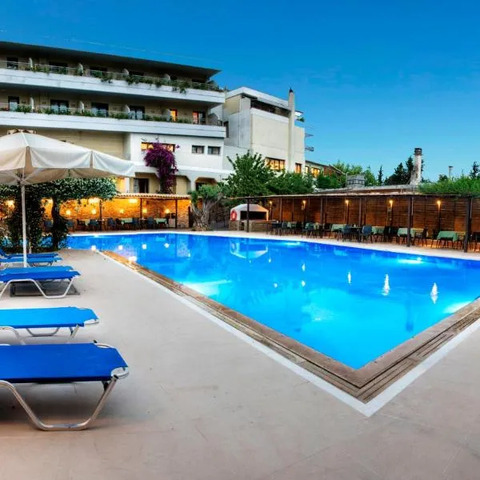
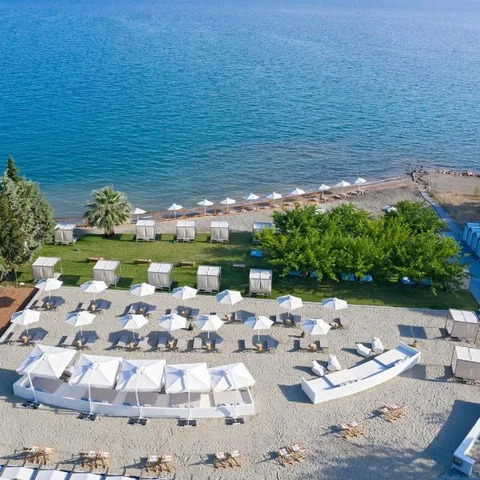
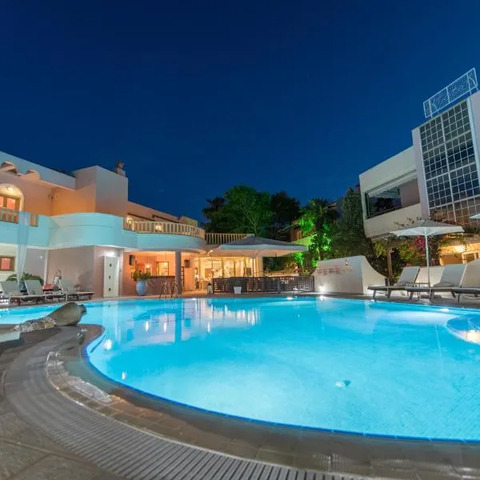
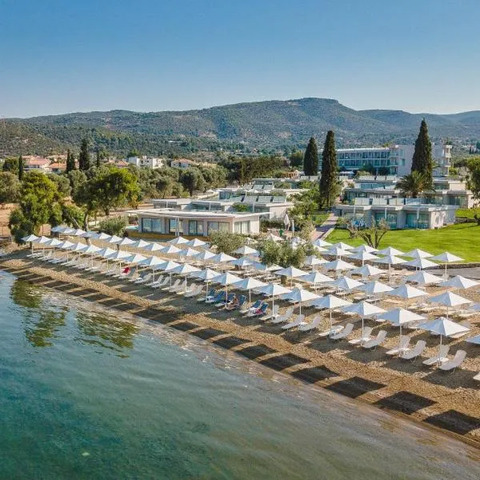
Still Looking for the Perfect Stay?

The Heart of Eretria: Ancient Foundations
Archaeological Site of Eretria – Start your exploration at the ruins of the ancient city, where marble columns once framed temples dedicated to Apollo and Athena. The site offers panoramic views of the Aegean Sea.
Eretria Lighthouse (Keri) – Built in 1828, this lighthouse still stands as a beacon for sailors. Its stone walls echo with tales of maritime trade that once thrived here.
Cultural Hotspots Within the Town
The Municipal Museum – Housing artifacts from the Bronze Age to the Ottoman period, the museum provides context for Eretria’s evolving identity.
Church of Saint George (Agios Georgios) – A 19th‑century church with frescoes that blend Byzantine and local artistic styles.

Nearby Villages Worth Visiting
Eretria is surrounded by charming villages that are just a short drive away. Each offers unique cultural, culinary, and natural attractions:
Magoula Village – Known for its traditional stone houses and the annual Feta Festival where locals showcase their prized cheese.
Malakonta Village – A quiet spot famous for its olive groves; a perfect place to taste homemade olive oil.
Skala Oropou Village – With a picturesque beach, it’s ideal for sunset strolls and fresh seafood from family‑run tavernas.
Amarynthos Town – Located on the eastern coast of Evia, this bustling port town offers a lively market and historic churches.
Halkoutsi Village – A small settlement that hosts an annual folk dance festival celebrating traditional Greek music.
Lefkandi Small Village – Near the archaeological site of Lefkandia, it’s a gateway to the famed Bronze Age cemetery.
Oropos Village – Nestled in a valley, Oropos is renowned for its vineyards and local wine tastings.
Practical Tips for Your Visit
Getting There – Eretria is accessible by bus from Athens (approximately 2 hours) or by car via the E75 highway. The town’s harbor also receives regular ferries from Piraeus.
Best Time to Go – Late spring (May–June) and early autumn (September) offer mild weather, fewer crowds, and vibrant local festivals.
Accommodation – Choose from boutique hotels in the historic center or family‑run guesthouses in nearby villages for an authentic experience.
Why Eretria Matters Today
Eretria’s blend of ancient ruins, maritime heritage, and surrounding village life creates a living tapestry that reflects Greece’s broader historical narrative. By visiting these sites, travelers not only witness the past but also support local economies and preserve cultural traditions.
Final Thoughts
Exploring Eretria is more than a trip to an old town; it’s a journey through layers of history, culture, and community. Whether you wander the ruins, savor local delicacies in Magoula or Skala Oropou, or sip wine in Oropos, each moment enriches your understanding of Evia’s enduring legacy.


