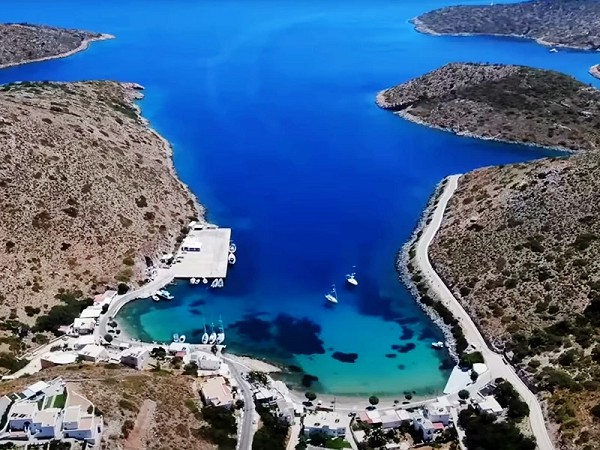
Agathonisi Island, a lesser-known gem in the Dodecanese, offers a rare blend of tranquility and natural beauty. Far from the bustling tourist hubs of Greece, this island is perfect for solo travelers seeking solitude, adventure, and connection with nature. With its rugged coastline, secluded beaches, and rich wildlife, Agathonisi invites visitors to slow down and savor the simple joys of island life.

Why Choose Agathonisi for Solo Travel
Solo travel on Agathonisi is ideal for those who crave unspoiled landscapes and a break from overcrowded destinations. The island's small population ensures a sense of privacy, while its well-marked trails and safe environment make it accessible even for first-time solo adventurers. Whether you're drawn to coastal hikes, birdwatching, or simply soaking in the sun on an empty beach, Agathonisi delivers.
Safety First: Solo Traveler Considerations
Agathonisi is generally considered a safe destination for travelers, including those journeying alone. The island has no major crime issues, and locals are known for their hospitality. However, as with any remote location, solo travelers should take standard precautions:
Stay aware of your surroundings, especially in less populated areas.
Keep valuables secure—use hotel safes or carry a money belt when exploring.
Share your itinerary with someone you trust before heading out for day trips.
The island's infrastructure is basic, so it's wise to pack essentials like water, snacks, and a first-aid kit. Mobile reception can be spotty in rural areas, so download offline maps or carry a physical guidebook.

Must-See Attractions for Solo Explorers
Megalo Chorio Village Walk
Megalo Chorio, the island's main village, is a charming starting point for solo travelers. Stroll through its narrow streets to discover whitewashed houses with blue shutters, local shops selling handmade crafts, and cozy tavernas serving traditional Greek cuisine. The village square is an excellent spot to people-watch or strike up conversations with residents.
Gaidouravlakos Beach Swim
For a refreshing escape, head to Gaidouravlakos Beach—a secluded cove with crystal-clear waters and soft sand. This hidden gem is perfect for solo swimmers who want to avoid crowds. The beach is accessible via a short hike from the village, adding an adventurous touch to your day.
Coastal Hiking Trails
Agathonisi's coastline offers some of the most scenic hiking routes in Greece. The Kastro Trail and Lefkata Path are popular choices for solo hikers, providing panoramic views of the Aegean Sea. These trails are well-marked but can be strenuous, so pace yourself and stay hydrated.
Birdwatching Opportunities
Nature enthusiasts will appreciate Agathonisi's role as a haven for migratory birds. The Agathonisi Bird Observatory offers guided tours during peak season (April–September), where you can spot species like the Mediterranean gull and Audouin's gull. Early mornings are ideal for birdwatching, as activity is highest before midday.
Sunset Photography Spots
Capture the island's beauty at dusk by heading to Vlychada Beach or the cliffs near the village. The sunsets here are legendary, with golden light reflecting off the sea and casting long shadows across the rocks. Bring a camera (or smartphone) and enjoy the moment of solitude as the sky transforms.
Budgeting for Your Trip
Accommodation Costs
Agathonisi has limited lodging options, primarily small guesthouses and self-catering studios. Expect to pay €40–€80 per night for a basic room with breakfast. Booking in advance is recommended, especially during the high season (June–August).
Food and Drink
Meals at local tavernas range from €10–€25, depending on the dish. Fresh seafood is a highlight, but portions are generous—consider sharing to avoid waste. Bottled water costs around €1.50–€2, while local wines start at €3–€6.

Transportation
The island has no car rental services, so your options are limited to:
Ferry transfers: Regular ferries connect Agathonisi to nearby islands like Kalymnos and Kos. A one-way ticket costs about €15–€25, depending on the season.
Bike rentals: Available in Megalo Chorio for €5–€10 per day, ideal for solo exploration of coastal trails.
Solo Travel Tips for Agathonisi
Pack Light and Smart
Agathonisi has no supermarkets, so pack non-perishable snacks and essentials. A lightweight backpack is essential for hiking, while a reusable water bottle will save money on bottled drinks.
Connect with Locals
While the island's population is small, locals are often curious about visitors. Learn basic Greek phrases like keravnos (hello) and efharisto (thank you) to foster friendly interactions. Many villagers speak some English, but politeness goes a long way.
Respect Nature
Agathonisi's pristine environment is its greatest asset. Avoid littering, stay on designated trails, and refrain from disturbing wildlife. The island enforces strict rules against fishing in protected areas, so always check local guidelines.

Frequently Asked Questions
Is Agathonisi Island safe for solo travelers?
Yes, the island has a low crime rate and is known for its welcoming community. Solo travelers should take standard precautions, such as keeping valuables secure and sharing their itinerary with someone.
What are the best times to visit Agathonisi?
The ideal time is April–October, when weather is pleasant and most attractions are open. Avoid July and August if you prefer fewer crowds.
Can I hike alone on Agathonisi Island?
Are there any dangers to watch out for on the island?
Agathonisi is generally safe, but hiking without proper gear can lead to slips or injuries. Always check weather conditions before heading outdoors, especially during stormy seasons.
How do I get to Agathonisi Island from Kos?
Ferries depart regularly from Kos Port (Kos Town) and Kalymnos. Check schedules with local ferry companies like Dodekanisos Ferries or Blue Star Ferries, which operate year-round.
What should I avoid when visiting Agathonisi?
Avoid swimming in restricted areas, disturb nesting birds, or leave trash. Respect local customs by dressing modestly when entering churches and avoiding loud behavior in villages.