Thassos Island, a hidden gem in the northern Aegean Sea, offers more than just pristine beaches and hiking trails. For travelers seeking authentic Greek souvenirs and local craftsmanship, the island's shopping scene is a treasure trove of experiences. From bustling markets to family-run stores, Thassos provides opportunities to take home pieces of its rich culture and natural abundance.
We suggest for your stay:


Still Looking for the Perfect Stay?

The Vibrancy of Limenás Market
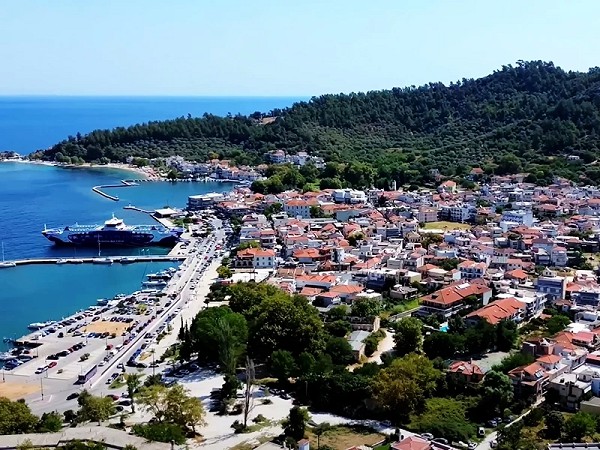
Nestled in the heart of the island's main town, Limenás Market is a must-visit for tourists looking to immerse themselves in local life. Open daily (except Sundays), this market brims with fresh produce, handmade crafts, and seasonal goods. Vendors sell everything from sun-dried tomatoes to handwoven textiles, offering a glimpse into traditional Greek trade practices. The market's charm lies in its authenticity—bargaining is common, but always done politely, and the energy of the crowd adds to the experience.
Limenaria Shops: Hidden Gems for Local Finds
Just a short walk from the main square, Limenaria Shops cater to travelers seeking unique, artisanal products. These family-owned stores specialize in items made by local artisans, such as ceramic pottery painted with traditional motifs and hand-carved wooden souvenirs. Visitors can also find small-batch creations like natural soaps infused with Thassos herbs or woven baskets dyed with plant-based pigments. The shops often double as workshops, allowing tourists to watch craftspeople at work or even participate in short demonstrations.

Local Honey & Olive Oil Stores: Taste the Island
For those interested in taking home a piece of Thassos's agricultural heritage, local honey and olive oil stores are essential stops. The island is renowned for its high-quality olive oil, produced from ancient groves using time-honored methods. Bottles often bear labels detailing the region of origin and harvest date, making them thoughtful gifts or culinary staples. Similarly, Thassos honey—known for its floral notes from wild thyme and orange blossoms—is sold in small jars, perfect for sampling or sharing with loved ones.
Tips for Mindful Shopping on Thassos
While shopping, consider the island's seasonal rhythms. For example, Limenás Market swells with fresh seafood during summer months, while autumn brings an abundance of figs and chestnuts. Supporting local vendors not only ensures quality but also helps sustain the community. Always ask about the origin of products—many stores proudly display certifications for organic or fair-trade practices.

Beyond the Main Town: Exploring Coastal Villages
Venturing beyond Limenás reveals smaller villages where shopping takes on a more intimate feel. In places like Agios Isidoros and Kallithea, boutique shops sell handmade jewelry, leather goods, and even locally brewed wine. These spots are ideal for discovering one-of-a-kind items that aren't found in mass-market stores.
Frequently Asked Questions
What is the best time to visit Limenás Market?
The market is most lively on weekdays, particularly mid-morning when vendors have restocked after early deliveries. Weekends see a more relaxed pace, but crowds are still present.
Are there any must-buy items in Thassos?
Look for Thassos olive oil, wildflower honey, and handcrafted ceramics. These items reflect the island's natural resources and artisanal traditions.
Can I haggle at Limenás Market?
Yes, but always politely. Start with a friendly greeting and be prepared to negotiate prices on bulk purchases or seasonal goods like dried fruits.
Are there shopping areas outside of Limenás?
Absolutely. Coastal villages like Potos and Milies have small shops selling handmade textiles and local wines, offering a quieter alternative to the main town's markets.
How can I support local artisans during my visit?
Choose stores that highlight the maker's name or story on their packaging. Many shops also offer workshops or guided tours explaining the production process behind their goods.
What should I avoid when shopping in Thassos?
Steer clear of overly commercialized tourist traps near beaches, which often sell generic souvenirs. Focus instead on stores with a clear connection to local craftsmanship or agriculture.