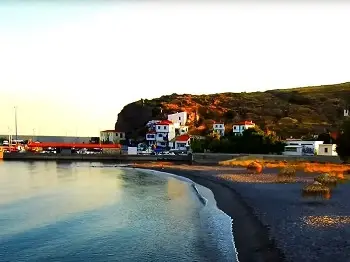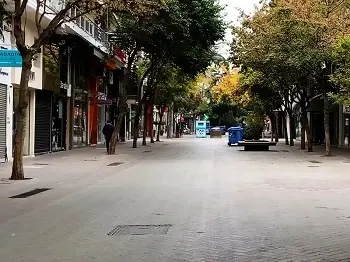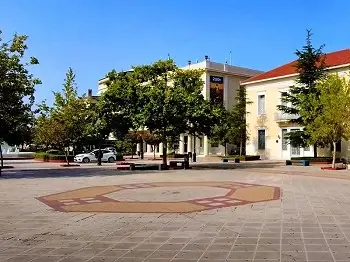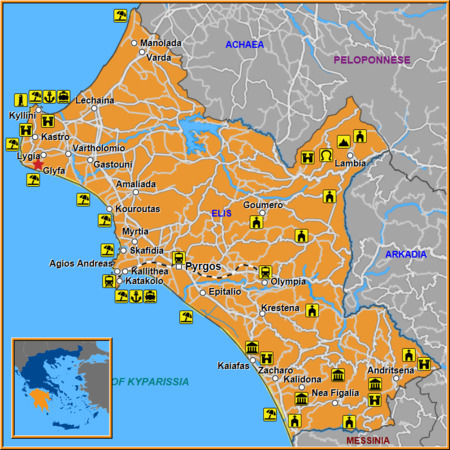
Glyfa, a charming village tucked away in the heart of Elis, offers travelers a blend of rustic beauty and authentic Greek culture. Whether you’re a history buff, nature lover, or simply looking for a peaceful escape, Glyfa’s map will guide you through its most captivating spots.
We suggest for your stay:


Still Looking for the Perfect Stay?

Why Glyfa Should Be on Your Map
Authentic Atmosphere: Unlike bustling tourist hubs, Glyfa retains its traditional architecture and warm hospitality.
Strategic Location: Situated near several picturesque villages and towns, it serves as a perfect base for exploring the wider region.
Hidden Natural Beauty: Rolling hills, olive groves, and serene streams create an idyllic backdrop for leisurely walks.
Navigating Glyfa’s Core Attractions
The Old Church of Saint George – A 19th‑century stone church that stands as a testament to local craftsmanship. The bell tower offers panoramic views of the surrounding countryside.
Village Square (Plateia) – Central gathering spot where locals sell fresh produce, handmade crafts, and traditional sweets like bougatsa.
Traditional Guesthouses – Experience authentic Greek hospitality in family-run inns that offer homemade meals and local wines.
Walking Trail to the Olive Grove – A gentle path leading through ancient olive trees; perfect for sunset photography.

Nearby Gems Worth Visiting
Glyfa’s proximity to several other villages and towns makes it an ideal hub for a day of exploration:
Lygia Village – Just 5 km away, Lygia is known for its vibrant market stalls and the historic Monastery of Saint John.
Kastro Village – A short drive brings you to Kastro’s medieval fortress ruins overlooking the Ionian Sea.
Vartholomio Town – Known for its lively waterfront promenade and fresh seafood restaurants.
Gastouni Town – Offers a blend of traditional architecture and modern amenities, with a popular weekly flea market.
Kyllini Village – Famous for its annual Folk Music Festival that showcases local musicians and dancers.
Lechaina Town – A charming town featuring the beautiful Church of Saint Demetrios and scenic hiking trails.
Practical Tips for Travelers
Best Time to Visit: Late spring (May–June) or early autumn (September) when temperatures are mild and crowds are thin.
Getting There: Glyfa is accessible by bus from Pyrgos, the regional capital. Private car rentals offer greater flexibility.
Local Cuisine: Don’t miss Kleftiko (slow‑cooked lamb), fresh feta cheese, and local olive oil tastings.
Accommodation: Choose a family guesthouse for an intimate experience or book a nearby agritourism farm to enjoy rural life firsthand.
How to Use the Map Effectively
Start at the Village Square – This is the central point from which most routes radiate.
Follow the Main Path to the Old Church – A clear, well‑marked trail that leads you through olive groves.
Take a Detour to the Olive Grove Trail – Ideal for photo enthusiasts and nature lovers.
Plan a Day Trip to Nearby Villages – Use local bus schedules or arrange a taxi to visit Lygia, Kastro, and Vartholomio.
Final Thoughts
Glyfa is more than just a stop on the map; it’s an invitation to immerse yourself in authentic Greek village life. With its strategic location near several other cultural treasures, Glyfa offers both tranquility and adventure for every traveler.