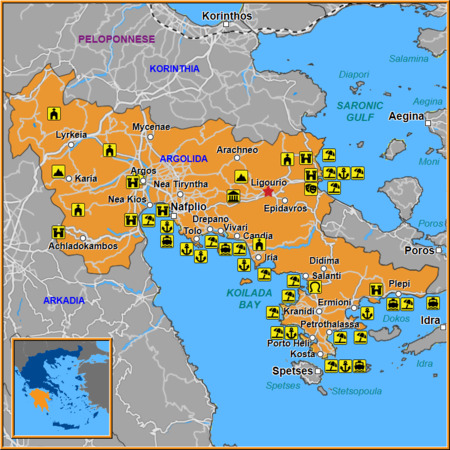
Ligourio, nestled in the heart of Argolida, is a treasure trove for wanderers seeking authentic Greek charm. This guide will help you navigate its winding streets, hidden alleys, and nearby villages with confidence.
We suggest for your stay:

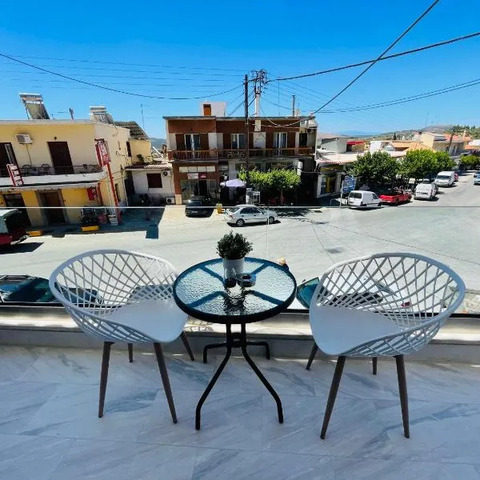
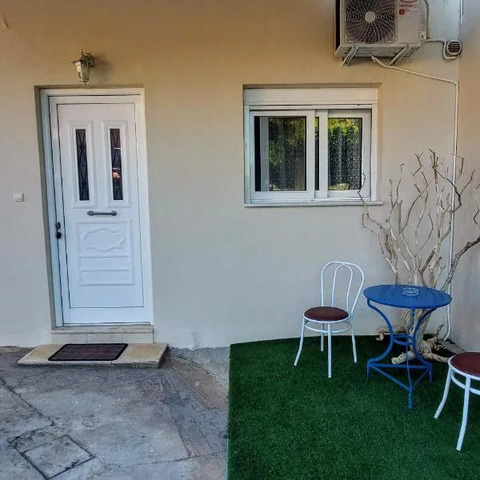
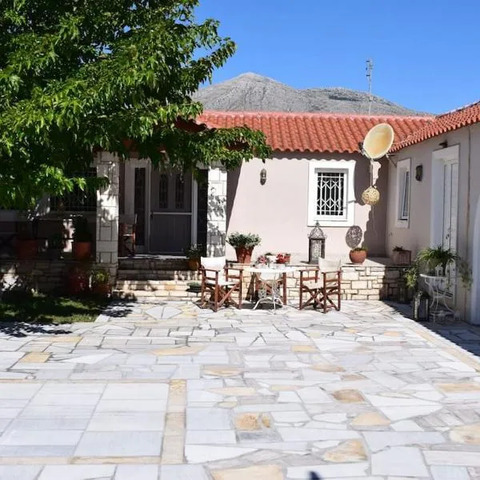
Still Looking for the Perfect Stay?

Why Ligourio Matters
Cultural Hub: Home to traditional festivals, local artisans, and historic churches.
Scenic Routes: Panoramic views of the Argolidic plains and distant mountains.
Gateway to Nearby Villages: From Epidavros to Agelokastro, each stop offers a unique slice of Greek life.
Mapping Ligourio
Start at the Central Square – The heart of town where markets bustle and cafés spill onto cobblestones.
Head North on the Old Road – Follow the ancient path that leads to the Agelokastro viewpoint, offering a 360° panorama of Argolida.
Turn East toward the River Path – This winding trail takes you past olive groves and traditional stone houses.
Reach the Eastern Gate – From here, a short walk brings you to the Arachneo Village market stalls.
Return via the Southern Loop – Pass through Vivari and Iria, each with their own local specialties.

Nearby Villages Worth Exploring
Epidavros: A small village just 3 km from Ligourio, known for its ancient theater ruins and serene hiking trails.
Arachneo Village: Famous for its handmade lacework; a perfect spot to pick up unique souvenirs.
Candia Village: Offers a quiet coastal escape with fresh seafood taverns overlooking the Aegean.
Vivari Village: Known for its traditional pottery workshops and vibrant local festivals.
Iria Village: Home to a historic monastery that hosts weekly guided tours.
Agelokastro Village: Features a 12th‑century fortress with breathtaking views of the surrounding countryside.
Practical Tips for Explorers
Best Time to Visit: Late spring (May–June) or early autumn (September) when temperatures are mild and crowds thin.
Transportation: Local buses run every hour from Ligourio’s central square; renting a scooter is ideal for village hopping.
Accommodation: Opt for family-run guesthouses in Ligourio for an authentic experience and insider tips on hidden spots.
Safety: Keep a small map or GPS handy, especially when venturing into the more remote villages.

Cultural Highlights
Annual Festival of St. George: Celebrated each July with processions, music, and traditional dances.
Local Cuisine: Don’t miss Moussaka in Ligourio’s tavernas or the fresh Seafood Platter in Candia Village.
Artisan Markets: Visit the weekly market in Arachneo for handmade crafts and local delicacies.
Conclusion
Ligourio is more than a town; it’s a living tapestry of history, culture, and natural beauty. By following this map guide, you’ll uncover hidden gems, savor authentic flavors, and create memories that last a lifetime.

Ready to Explore?
Grab your backpack, download this guide, and set off on an unforgettable journey through Ligourio and its charming neighbors!