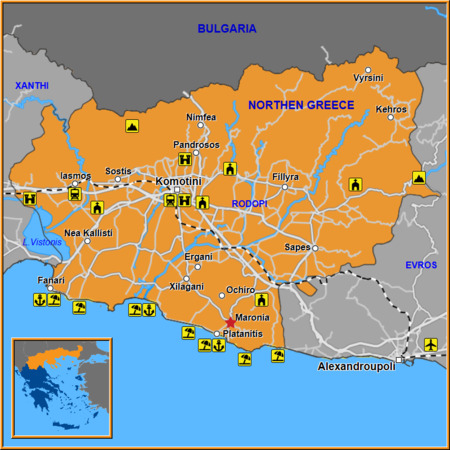
Maronia Village, tucked in the heart of Rodopi, offers a rich tapestry of history and culture that beckons curious travelers. Its winding streets, ancient stone houses, and vibrant local traditions form a living museum where every corner tells a story.
We suggest for your stay:
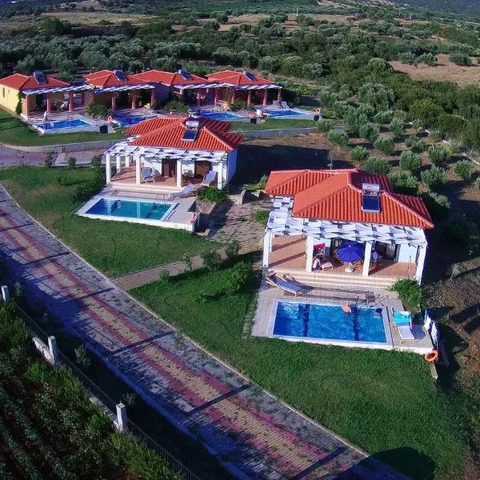
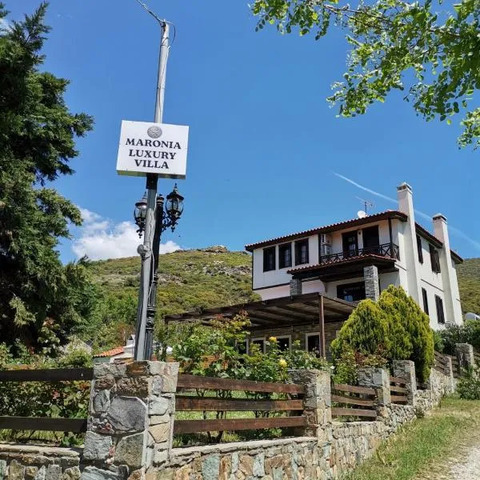
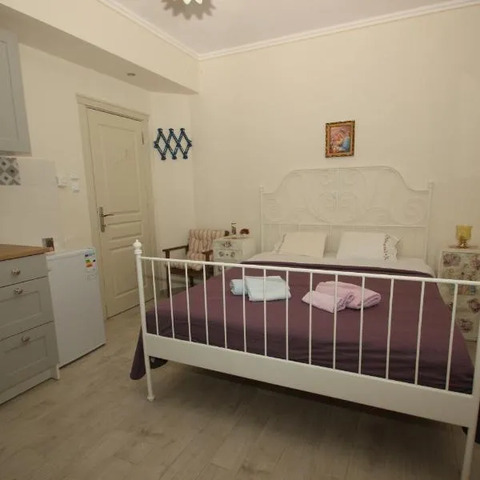
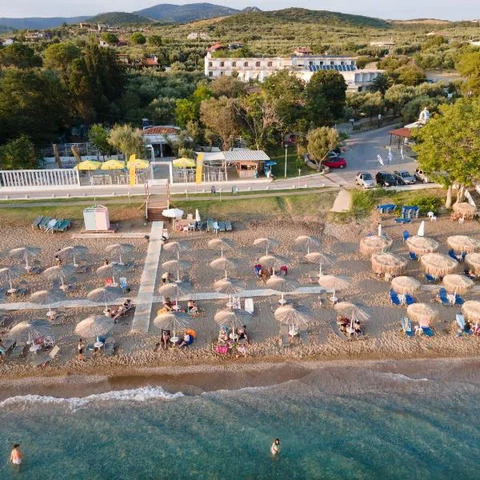
Still Looking for the Perfect Stay?

The Map: Your Guide to Authentic Exploration
The map we’ve curated is more than a navigation tool—it’s an invitation to immerse yourself in the soul of Maronia. Highlighted routes lead you from the village square to the centuries‑old church, past olive groves that have been tended for generations, and into the surrounding hills where legends whisper through the wind.
Village Square – The heart of community life, where markets bustle with fresh produce and artisans display their crafts.
St. George’s Church – A 12th‑century basilica whose frescoes survive the test of time.
Olive Grove Trail – A leisurely walk through lush groves offering panoramic views of the valley.
Each marker on the map is paired with a short description, giving you context and encouraging deeper engagement. Whether you’re a history buff or simply seeking picturesque scenery, the map ensures you never miss a hidden gem.
Cultural Highlights Worth Visiting
Maronia’s heritage is reflected in its architecture, folklore, and culinary delights. Traditional music fills the air during festivals, while local storytellers recount tales of ancient heroes and pastoral life. Sample the village’s famed marmolada ice cream or a steaming bowl of fava, a creamy split pea dish that has been a staple for centuries.

Nearby Attractions: A Regional Adventure
Beyond Maronia itself, several nearby villages and towns offer complementary experiences:
Platanitis – A small village known for its peaceful orchards and rustic charm.
Old Fortress Ochiro – An imposing medieval stronghold perched on a hilltop, offering breathtaking vistas of the surrounding countryside.
Xilagani Village – Famous for its traditional weaving workshops where you can watch artisans create intricate textiles.
Ergani Village – A quiet spot with historic stone bridges and lush vineyards.
Makri Village – Renowned for its ancient ruins that hint at a once‑flourishing trade hub.
Sapes Town – A bustling market town where local crafts and fresh produce thrive.
Komotini City – The regional capital, offering museums, theaters, and modern amenities while still preserving its historic quarters.
These destinations are all within easy reach of Maronia, making them perfect additions to your itinerary. Each place adds a layer to the region’s story, from ancient fortresses to contemporary cultural hubs.
Practical Tips for Travelers
Best Time to Visit: Late spring (May–June) and early autumn (September) provide mild weather and fewer crowds.
Getting Around: Buses connect Maronia to Komotini and nearby villages; renting a bicycle is an eco‑friendly option for short distances.
Local Etiquette: Greet locals with a friendly “Kalimera” (good morning) or “Kalispera” (good evening); it goes a long way in fostering warm interactions.
Safety: The area is generally safe, but always keep an eye on your belongings in crowded markets.
Final Thoughts
Maronia’s map invites you to step beyond the ordinary and explore a region steeped in history yet alive with contemporary culture. By following its routes, you’ll uncover stories etched into stone, taste flavors that have survived centuries, and connect with people who cherish their heritage. Let this guide be your compass as you navigate the rich history and culture of Maronia and its enchanting surroundings.
Ready to Explore?
Grab your copy of the map, pack a sense of adventure, and prepare to uncover the hidden gems that make Rodopi an unforgettable destination.


