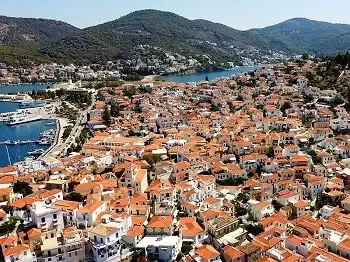
Pefkos is a small, picturesque village tucked away in the heart of the Kastoria region. With its traditional stone houses, lush green hills, and serene atmosphere, it offers travelers an authentic Greek experience far from the usual tourist trail.
We suggest for your stay:

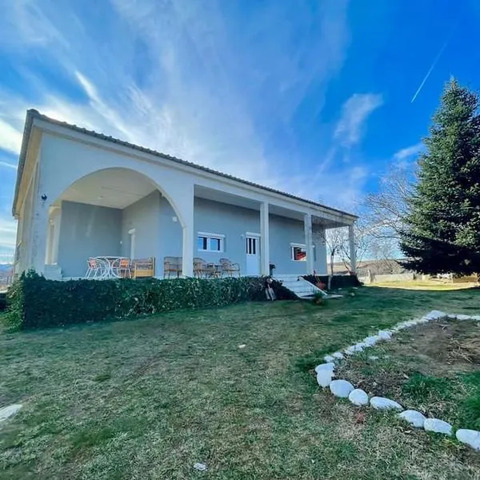
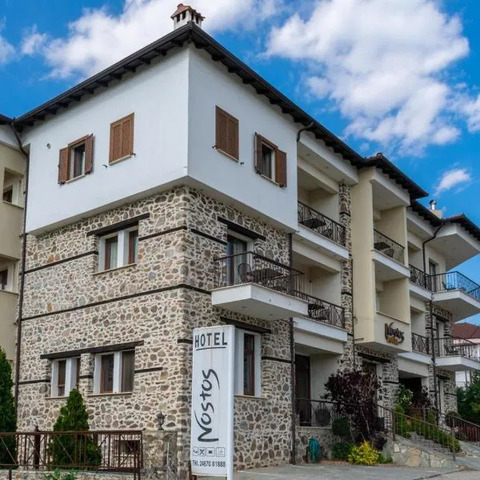

Still Looking for the Perfect Stay?

Why Visit Pefkos?
Authentic Culture: Walk through cobblestone streets and meet friendly locals who share stories about their heritage.
Natural Beauty: The surrounding mountains provide perfect hiking routes with breathtaking views of the valley below.
Peaceful Retreat: Escape the hustle of city life and enjoy quiet moments by the village’s small river.
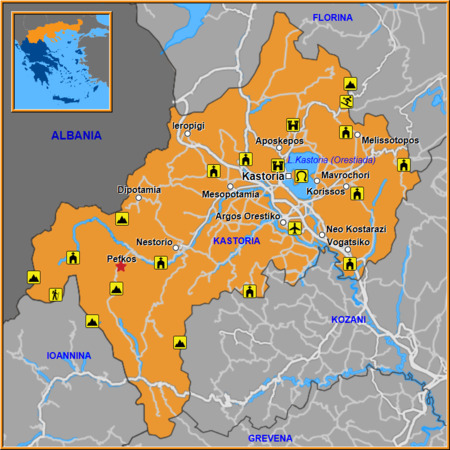
Navigating Pefkos on a Map
When planning your trip, start at the main road that connects Kastoria to the eastern part of the region. From there:
Head southeast until you reach the turnoff for Pefkos.
Follow the signposted path through pine forests; it takes about 15 minutes by car.
Once in the village, use a local map or GPS to locate key spots such as the Church of Saint George and the historic Pefkos Watermill.
Must‑See Attractions in Pefkos
Church of Saint George: A 19th‑century stone church with beautiful frescoes.
Pefkos Watermill: An old mill that still operates, offering a glimpse into traditional grain processing.
Village Square: The heart of the community where locals gather for festivals and markets.

Nearby Villages Worth Exploring
Pefkos is surrounded by several charming villages that are easily reachable on foot or by local bus. These neighboring communities each have their own unique appeal:
Nestorio Village: Known for its traditional architecture and artisan workshops.
Dipotamia Village: Offers stunning views of the surrounding valleys and a peaceful hiking trail.
Polykastano Village: Famous for its local cheese production and friendly taverns.
Damaskinia Village: A small, quiet spot ideal for picnics and nature walks.
Mesopotamia Town: The nearest town with shops, markets, and a historic church.
Ieropigi Village: Features an ancient monastery and scenic waterfalls.
Kastania Village: Known for its olive groves and traditional music festivals.
Practical Tips for Travelers
Best Time to Visit: Late spring (May–June) or early autumn (September) offer mild weather and fewer crowds.
Getting Around: Rent a car for flexibility, but local buses run between major villages on weekdays.
Accommodation: Stay in family-run guesthouses that provide homemade meals and a warm welcome.
Cuisine: Don’t miss the regional specialty—fava (yellow split pea puree) served with fresh bread.
Respect Local Customs: Dress modestly when visiting churches and always ask permission before photographing locals.
How to Make the Most of Your Visit
Plan a Day Trip: Combine Pefkos with one or two nearby villages for a full day of exploration.
Join a Guided Tour: Many local guides offer walking tours that delve into history, folklore, and culinary traditions.
Stay Overnight: Experience the village’s night sky—free from light pollution—and enjoy a quiet evening by the river.
Final Thoughts
Pefkos is more than just a stop on the map; it’s an invitation to experience authentic Greek life in a tranquil setting. By exploring its streets, nearby villages, and natural surroundings, you’ll uncover stories that have been passed down through generations—making your journey unforgettable.