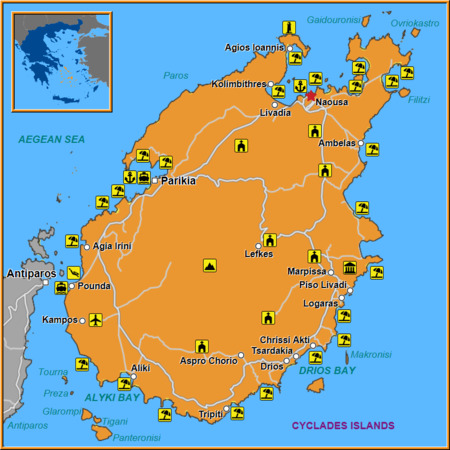
Naousa is a vibrant seaside town on the island of Paros, known for its bustling harbor, crystal‑clear waters, and lively nightlife. Whether you’re a first‑time visitor or a seasoned traveler, this guide will help you navigate the charming map of Naousa and discover nearby gems that make the region truly special.
We suggest for your stay:
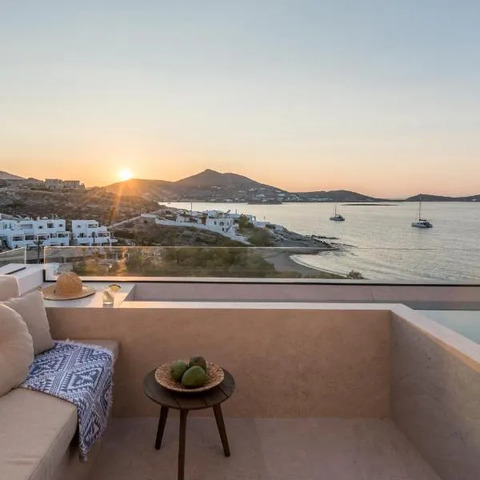
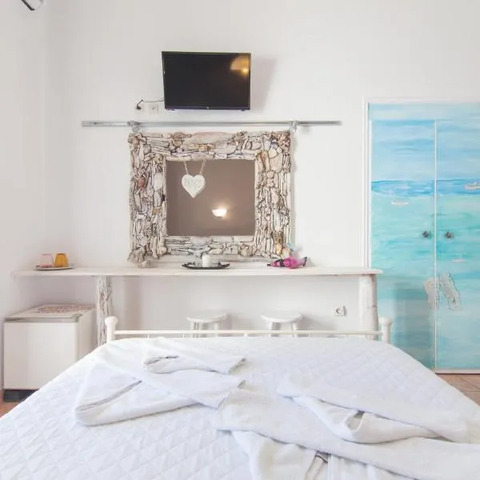
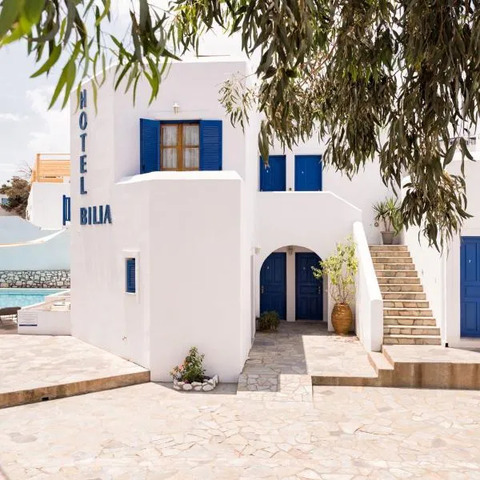
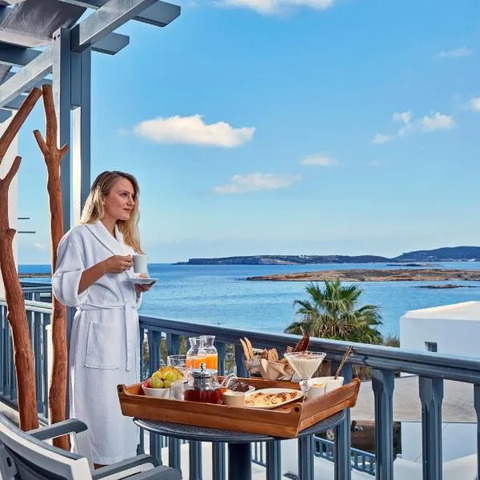
Still Looking for the Perfect Stay?

Getting Around in Naousa
Buses: The local bus network connects Naousa with Parikia (the island’s capital) and other villages. A single ticket costs €1.20 and offers frequent service throughout the day.
Taxis & Car Rentals: Taxis are plentiful at the port, but renting a car gives you freedom to explore at your own pace—especially useful for visiting smaller villages.
Walking & Cycling: The town’s compact layout makes it ideal for strolling or biking. Rent a bike from one of the many shops near the harbor and enjoy scenic routes along the coast.
Must‑See Spots in Naousa
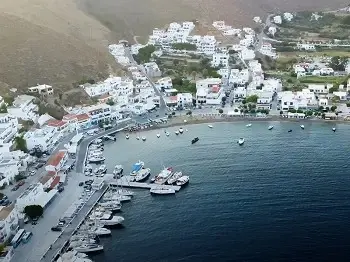
The Harbor – A lively hub where fishermen bring in fresh catches and tourists mingle over plates of grilled octopus.
Paros Municipal Museum – Housed in a 17th‑century building, it showcases the island’s maritime history and local art.
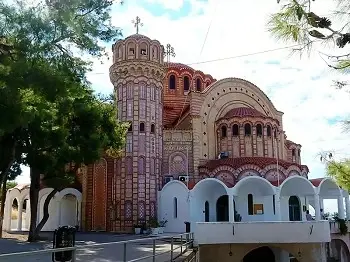
Church of Saint John – An iconic white‑washed church perched on a hilltop offering panoramic views of the Aegean.
Nightlife District – From beach bars to nightclubs, Naousa comes alive after sunset with music, dancing, and endless cocktails.

Nearby Villages Worth Visiting
While Naousa is the focal point, several charming villages lie just a short drive away:
Livadia: A small fishing village known for its traditional architecture and quiet beaches.
Kolimbithres: Famous for its unique stone formations and the “Cave of the Fairy Tale.”
Moni Agios Ioannis: An ancient monastery perched on a cliff, offering breathtaking views and a glimpse into monastic life.
Ambelas Village: A picturesque settlement with winding streets lined by olive groves.
Lefkes: Known for its lush pine forests and the beautiful Piso Livadi meadow nearby.
Marpissa Village: A tranquil spot where you can enjoy local cuisine in a rustic setting.
Parikia Chora: The island’s capital, featuring historic churches, bustling markets, and the famous Paros Lighthouse.
Piso Livadi Village: Nestled between hills, it offers serene walks and traditional Greek hospitality.
Practical Tips for Travelers
Best Time to Visit: Late spring (May‑June) and early autumn (September‑October) offer warm weather without the peak season crowds.
Currency & Payments: The euro is used everywhere. Credit cards are widely accepted, but small shops may prefer cash.
Language: Greek is the official language; however, English is commonly spoken in tourist areas.
Safety: Like any popular destination, keep an eye on your belongings in crowded spots and stay hydrated during hot days.
Where to Eat & Drink
Naousa’s culinary scene blends traditional Greek flavors with modern twists. Don’t miss:
Taverna O Platanos – Known for fresh seafood and homemade desserts.
Bar 360° – Offers a panoramic view of the harbor, perfect for sunset cocktails.
Bakery La Mavromati – A local favorite for pastries and coffee.
Final Thoughts
Exploring Naousa is an adventure that blends history, culture, and natural beauty. By following this guide, you’ll navigate the town’s map with ease, discover hidden villages nearby, and experience the authentic spirit of Paros. Pack your camera, bring a sense of curiosity, and let the island’s charm captivate you.