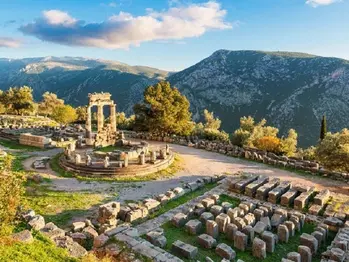
Rethymno, a jewel on Crete’s north‑east coast, offers more than its famous Venetian walls and sandy beaches. With a detailed map in hand, you can wander off the beaten path to uncover local delights that many tourists miss.
We suggest for your stay:
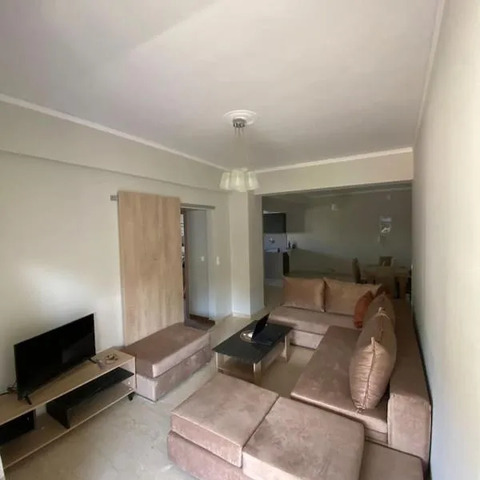


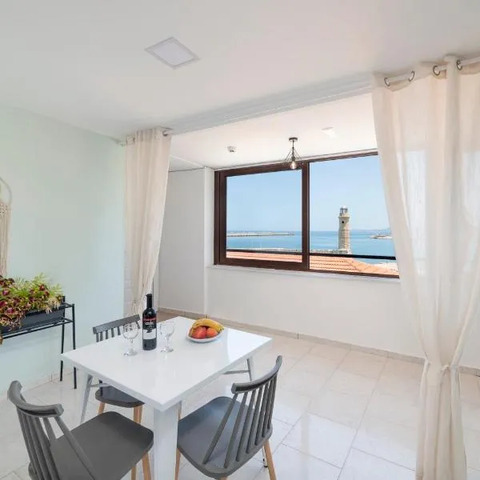
Still Looking for the Perfect Stay?

Why a Map Matters
A well‑crafted travel map does more than show streets; it highlights footpaths, hidden cafés, artisan workshops, and secret viewpoints. When you follow the arrows, you’ll find:
Authentic Cretan bakeries where the scent of honey cake lingers in the air.
Quiet alleys lined with olive groves that offer panoramic views of the sea.
Small villages where time seems to pause, letting you experience genuine Greek hospitality.
Must‑See Neighborhoods Inside Rethymno City
Old Town (Kastro) – Wander through cobblestone lanes and discover ancient churches, boutique shops, and rooftop terraces overlooking the harbor.
New Town (Nea Kastria) – A blend of modern cafés and historic architecture; perfect for a leisurely lunch with local bougatsa.
Perivolia Suburb – Just a short walk from the city center, this residential area hosts a weekly farmers’ market where you can taste fresh figs and olive oil.
Missiria Suburb – Known for its traditional stone houses; a quiet spot to enjoy sunset over the harbor.
Nearby Villages Worth Exploring
Adele Village – A picturesque hillside town with terraced vineyards; try their homemade koulouri.
Kambos Pigis Small Village – Famous for its olive presses and rustic taverns serving grilled octopus.
Armeni Village – Offers a serene beach and a small museum dedicated to Cretan folklore.
Myrthio Small Village – A hidden gem where you can hike the Myrthio Gorge and spot rare orchids.
Stavromenos Small Village – Known for its traditional pottery workshops; bring home a hand‑painted bowl.
Moni Arkadi – The historic monastery, a symbol of Cretan resilience, with stunning frescoes and a peaceful courtyard.
How to Use the Map Effectively
Plan Your Route – Start in Rethymno’s Old Town, then branch out to Perivolia and Missiria before heading to the surrounding villages.
Mark Must‑Visit Spots – Highlight cafés, markets, and viewpoints; this will keep you on track even if you get distracted by local street food stalls.
Check Opening Hours – Many small businesses open late in summer; a quick note on the map helps avoid disappointment.
Stay Flexible – Allow time for spontaneous detours—often the best discoveries happen when you step off the mapped path.
Practical Tips for Travelers
Transportation – Buses run every 30 minutes between Rethymno and nearby villages; a single ticket covers most routes.
Language – While Greek is predominant, many locals speak English in tourist areas—simple phrases like “Πόσο κοστίζει;” (How much?) go a long way.
Currency – The Euro is widely accepted, but small villages may prefer cash for local markets.
Safety – Keep an eye on your belongings in crowded markets; petty theft can occur during peak season.
Final Thoughts
With the right map and a sense of adventure, Rethymno transforms from a popular destination into a personal treasure trove. Each turn reveals a new story—whether it’s the aroma of freshly baked bougatsa or the quiet chatter in a village square. Embrace the journey, and let the hidden gems of Rethymno enchant you.
Ready to Explore?
Grab your map, pack light, and step into the heart of Crete. Your unforgettable adventure awaits just beyond the city walls.