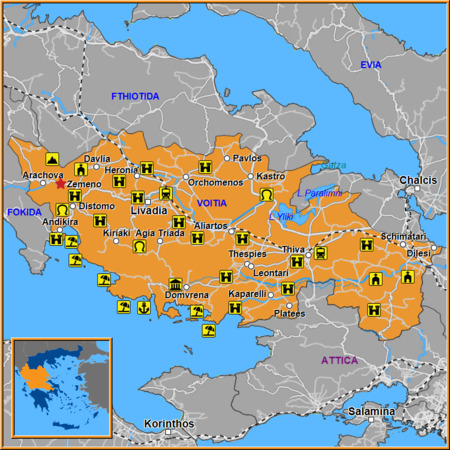
Zemeno, a tucked‑away village in the heart of Viotia, offers travelers a unique blend of history, culture, and natural beauty. By exploring its detailed map, visitors can uncover hidden paths, ancient landmarks, and local traditions that often go unnoticed on standard guides.
We suggest for your stay:
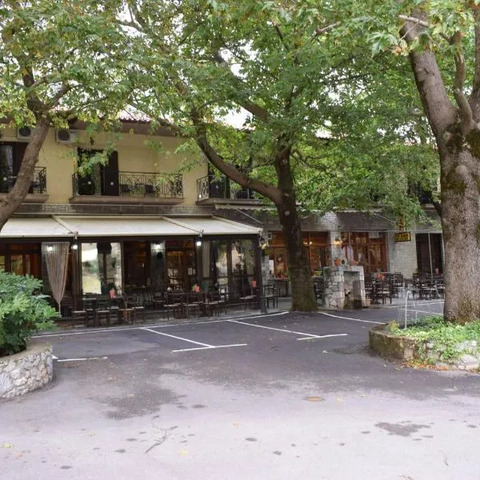

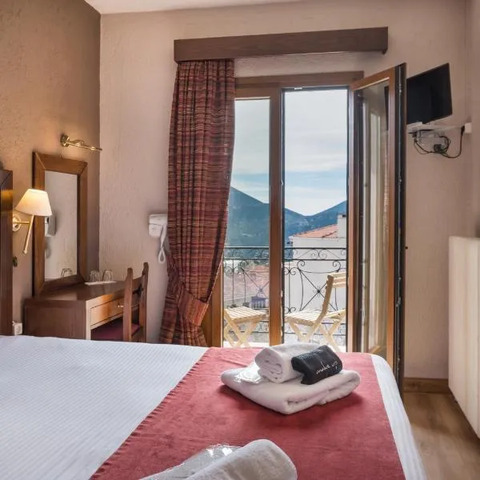

Still Looking for the Perfect Stay?

Why a Map Matters
Route Planning: The map highlights lesser‑known trails leading to panoramic viewpoints.
Cultural Context: It marks villages with historical significance nearby, allowing you to plan multi‑day itineraries.
Safety & Navigation: In rural areas where GPS signals can falter, a physical or digital map ensures you stay on course.
Key Highlights in Zemeno
The Old Stone Bridge – A 17th‑century structure spanning the Zemeno River, offering a perfect spot for sunset photography.
Agios Nikolaos Church – With its frescoes dating back to the 18th century, this church is a testament to local craftsmanship.
The Traditional Market Square – Every Saturday, artisans sell handmade pottery and fresh olive oil that reflects the region’s heritage.
Hidden Cave of Linos – Accessible via a narrow canyon, this cave houses ancient petroglyphs that tell stories of early settlers.

Nearby Villages Worth Visiting
Zemeno is strategically positioned near several charming villages, each with its own allure:
Arachova Village: Known for its cobblestone streets and vibrant art scene.
Distomo Village: Home to the historic Distomo Museum, chronicling WWII events.
Davlia Village: Offers breathtaking views of the surrounding hills and traditional stone houses.
Andikira Village: Famous for its olive groves and local wine tastings.
Desfina Village: A quiet spot where you can hike to ancient ruins.
Agia Marina Village: Renowned for its seaside taverns and fresh seafood.
Delphi Village: Just a short drive away, it’s a gateway to the iconic archaeological site of Delphi.
How to Use the Map Effectively
Identify Starting Points – Pin down your accommodation or main entry point on the map.
Mark Key Sites – Highlight the attractions listed above and any additional points of interest you wish to explore.
Plan Routes – Use the topographic layers to determine walking distances, elevation changes, and natural obstacles.
Check Local Timings – Some villages have specific opening hours for museums or markets; note these on your map.
Stay Flexible – Rural routes can change with weather; keep a backup plan in case certain paths become inaccessible.
Tips for Travelers
Wear Comfortable Footwear: Many trails are uneven and require sturdy shoes.
Carry Water & Snacks: Remote areas may lack nearby services.
Respect Local Customs: When visiting churches or private homes, dress modestly and ask permission before photographing.
Engage with Locals: Village guides often share stories that enrich your journey beyond what a map can show.
Final Thoughts
By embracing Zemeno’s intricate map perspective, travelers gain more than just directions—they unlock a deeper appreciation for the region’s hidden gems. Whether you’re hiking through ancient caves or strolling along cobblestone lanes in neighboring villages, each step reveals layers of history and culture waiting to be discovered.


