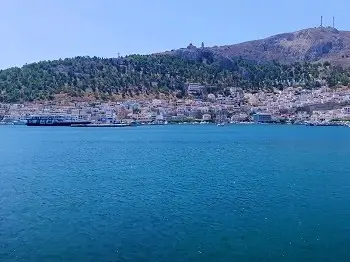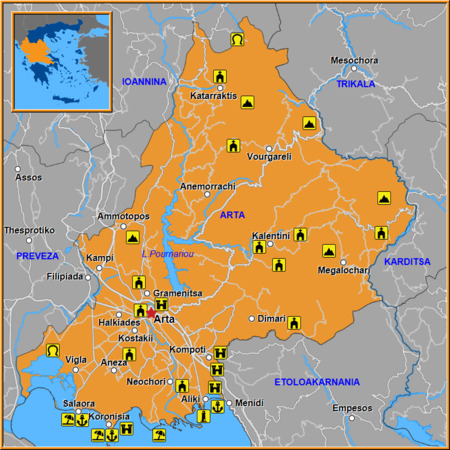
Arta, a hidden gem in north‑western Greece, offers an enchanting blend of history, nature, and culture. The city’s map is more than a navigation tool; it’s a portal to stories waiting to be discovered. Whether you’re a seasoned traveler or a curious wanderer, the Map of Arta invites you to unlock its treasures.
We suggest for your stay:


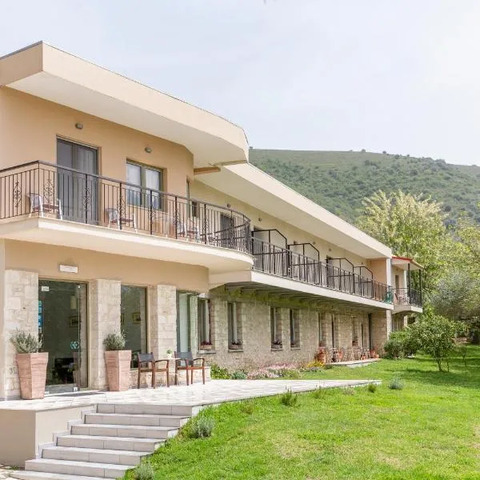

Still Looking for the Perfect Stay?

Why the Map Matters
The Map of Arta isn’t just about streets and landmarks—it highlights pathways that weave through ancient ruins, verdant valleys, and bustling markets. By following the map’s subtle cues—color‑coded trails, shaded forests, and marked viewpoints—you’ll experience a journey that feels both personal and profound.
Key Highlights on the Map
Arta Castle – A medieval fortress perched above the river, offering panoramic views of the surrounding plains.
The Bridge of Arta (Ponte di Arta) – An iconic stone bridge spanning the Arachthos River; a must‑visit for photography enthusiasts.
St. John’s Church – A 14th‑century church with stunning frescoes that narrate local legends.
Arta Municipal Market – The heart of local commerce, where fresh produce and traditional crafts thrive.

Hidden Gems Near Arta City
While the city itself is a treasure trove, several nearby villages add layers of charm to your adventure:
Gramenitsa Village – Known for its lush olive groves and welcoming taverns that serve homemade moussaka.
Kostakii Village – A quiet spot where you can hike the ancient trail leading to a secluded waterfall.
Halkiades Village – Famous for its traditional stone houses and the annual folk‑music festival held each summer.
Aneza Village – Offers breathtaking sunsets over the river, perfect for a reflective evening stroll.
Kampi Village – A small fishing community where you can taste freshly caught sardines grilled on the shore.
Neochori Town – A bustling market town with vibrant street art and artisan workshops.
Kompoti Town – Home to a historic monastery that hosts guided tours of its ancient manuscripts.
Filipiada Town – Known for its vineyards; a short detour leads you to a wine‑tasting session overlooking terraced hills.
How to Use the Map Effectively
Start at the City Center – Locate the main square on the map and use it as your reference point.
Follow Color‑Coded Paths – Green lines indicate hiking trails, while blue routes lead to water bodies.
Mark Key Landmarks – Use a small pin or note in your journal for each major site you visit.
Plan Rest Stops – The map highlights cafés and rest areas; schedule breaks to enjoy local delicacies.
Stay Flexible – While the map guides you, allow room for spontaneous detours—often the best discoveries happen off‑path.
Tips for a Memorable Journey
Dress in Layers – Weather can change quickly near the riverbanks.
Carry Reusable Water – Stay hydrated while reducing plastic waste.
Respect Local Customs – Greet shopkeepers with a friendly “Kalimera” (good morning).
Use Public Transport – Buses connect Arta to nearby villages, making it easy to explore without a car.
Capture Moments – Bring a camera or smartphone; the map’s highlighted viewpoints are perfect for photos.
Conclusion
The Map of Arta is more than directions—it’s an invitation to immerse yourself in a tapestry of history, nature, and community. By exploring both the city’s iconic sites and its neighboring villages, you’ll uncover stories that linger long after your trip ends. Pack your curiosity, follow the map, and let Arta’s treasures reveal themselves.
Call to Action
Ready to chart your own adventure? Download the official Map of Arta, plan your route, and step into a world where every corner holds a new discovery.